
Convicted MPs and Pending Appeals Highlight Tonga’s Accountability Gap
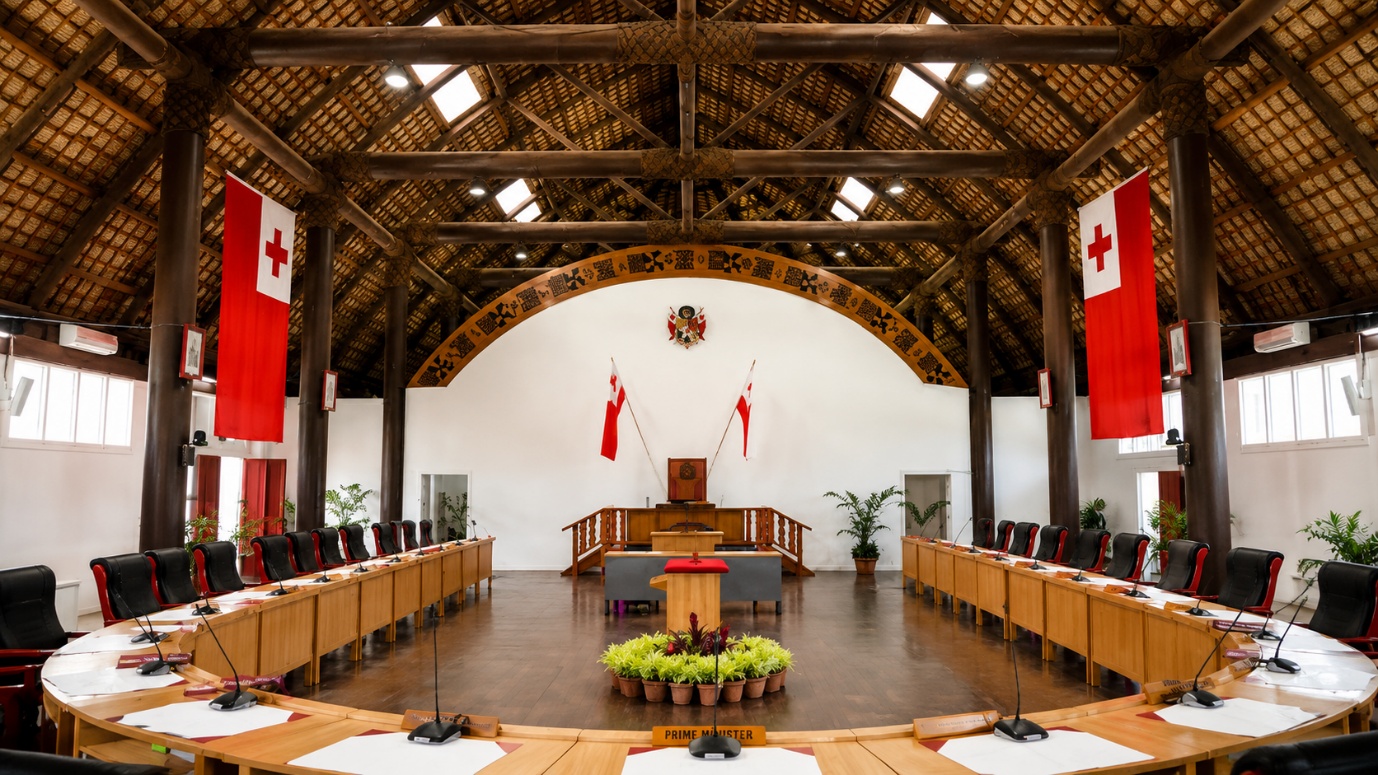
The decision delivered last week by the Tonga Court of Appeal—confirming election fraud convictions for two Members of Parliament while overturning rulings for others—brings a crucial legal chapter to a close. For the individual representatives, the verdict provides definitive judicial clarity. For the Tongan public, however, the process leading up to this final judgment exposes a structural flaw in the nation’s democratic architecture.
Under current Tongan practice, when an MP or Cabinet Minister is convicted of electoral fraud or corrupt campaign practices in lower courts, the legal journey is far from over. Because statutory law and constitutional custom fail to dictate clear steps for interim suspension, accused officials often maintain their seats, salaries, and executive portfolios while their appeals work their way through the legal pipeline.
This extended period of legal limbo imposes a heavy toll on public trust. When representatives facing active court convictions remain empowered to debate bills, cast decisive parliamentary votes, and administer public funds, it raises an inevitable crisis of legitimacy: What becomes of key policy decisions if the underlying conviction is later affirmed?
The Executive Dilemma: Higher Stakes in Cabinet
While an ordinary MP wields considerable power through parliamentary votes, the risks multiply exponentially when an official facing conviction holds a Cabinet portfolio. Cabinet Ministers hold significant executive power—directing government ministries, issuing regulatory decrees, managing state assets, and entering into binding public contracts.
If an individual who slips through the initial election oversight mechanisms goes on to assume high executive office while under a dark cloud of legal challenge, the potential for policy distortion or misuse of authority becomes a critical threat to governance. A minister facing a pending conviction should not be in a position to shape long-term national policy or allocate major public funds when their mandate may be revoked months later. To safeguard the state against executive overreach, Cabinet codes of conduct must observe even stricter standards than parliament itself, requiring ministers to step down from their ministerial portfolios during active criminal trials and appeals.

Westminster Solutions to a Pacific Dilemma
Tonga’s political system draws heavily on Westminster traditions. It is not alien or harmful to draw on proven, more proper and progressive standards from the “Mother of all Parliaments.” To safeguard the integrity of both its Parliament and Cabinet, Nukuʻalofa should look to time-tested mechanisms embedded within British common law to manage post-conviction appeals:
- Suspension of Parliamentary and Executive Functions: Under the UK’s Representation of the People Act 1983, an MP convicted of electoral misconduct is immediately barred from sitting, speaking, or voting in the legislature. Extending this rule to Cabinet portfolios ensures that executive authority is frozen while the individual pursues legal remedies.
- Postponed Disqualification: To protect due process, the permanent vacation of the parliamentary seat is paused for a defined window (such as three months) while the appeal is heard. If cleared, the representative resumes their duty without penalty; if the appeal fails, the seat is formally declared vacant and a by-election is called.
- The De Facto Officer Doctrine: Common law protects the public interest by preserving the validity of official acts performed by an official before their unseating is finalized. While the individual loses the personal privileges and financial remuneration of the post, state administration avoids retroactive paralysis.
An Imperative for Institutional Reform
When judicial appeals drag out over months, the public is left asking whether the rule of law applies equally to those who write and execute the law. Codifying statutory rules for automatic suspension upon conviction—paired with strict Cabinet codes requiring executive officers to stand aside—would eliminate corruption, political manoeuvring, and restore clarity to Tongan governance.
Democracy relies not just on holding elections, but on public confidence in the integrity of those elected to govern. By implementing safeguards during appeal periods, Tonga can respect individual rights to due process while ensuring that the public trust remains uncompromised.
Tevita Motulalo