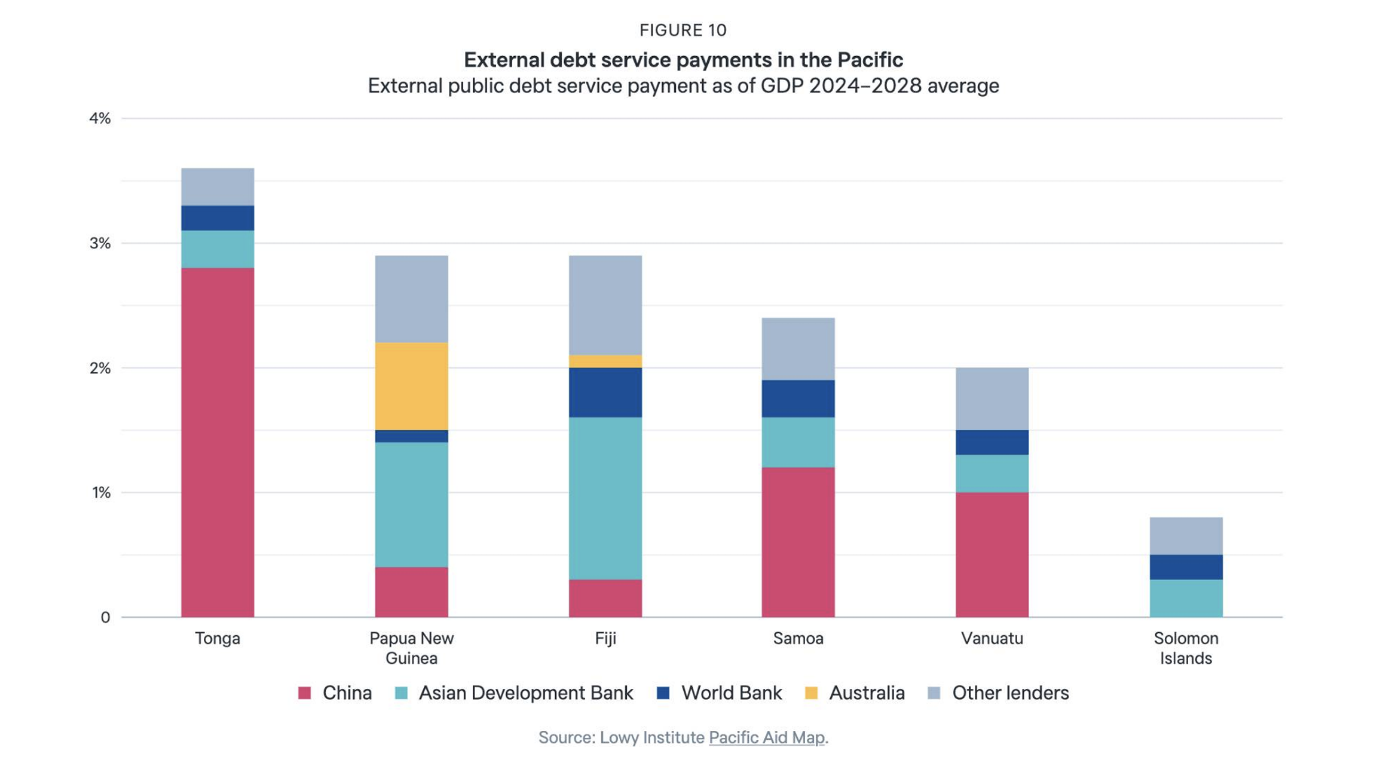
Tonga is entering one of the most significant external debt repayment periods in the Pacific, according to the Lowy Institute’s Pacific Aid Map 2026. But while the report identifies the Kingdom as facing a particularly demanding repayment schedule, former Prime Minister and Finance Minister Dr ‘Aisake Eke says the loans are being serviced as planned and are expected to be fully repaid by the 2030/31 financial year.
The report highlights a broader shift in Pacific development finance, with aid increasingly being delivered through loans rather than grants. It notes that the legacy of China’s large-scale lending during the 2010s is now entering its repayment phase, with Tonga, Samoa and Vanuatu facing the most acute obligations. It states that “Tonga’s position is especially difficult” ahead of the final repayment years.
However, the story behind Tonga’s Chinese loans is more nuanced than a simple discussion about debt.
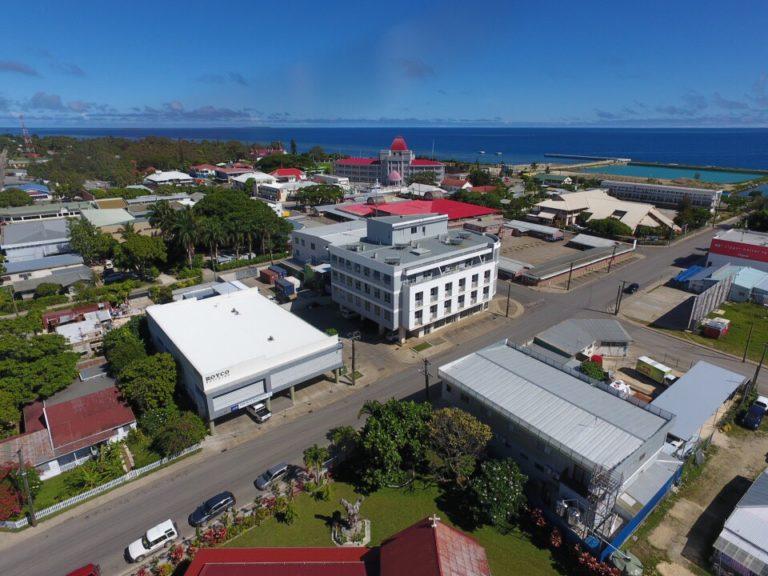
The loans that rebuilt Nuku’alofa
In comments provided to Tonga Independent News, Dr Eke said the Chinese concessional loans were secured following the destruction of central Nuku’alofa during the 2006 civil unrest.
According to Dr Eke, the Government first approached the World Bank and the Asian Development Bank seeking concessional financing to rebuild the capital.
“Their response was that the amount required was well beyond their policy limit for monetary financing for Tonga,” he said.
“Fortunately China was willing to help out with financing, otherwise Government would have had problems with local businesses and institutions funding the rebuilding of their properties that were damaged by the public riot.”
His comments provide important historical context to a borrowing decision that continues to shape Tonga’s public finances nearly two decades later.
 A different Pacific today
The Lowy Institute notes that the Pacific financing landscape has changed significantly since those reconstruction loans were negotiated.
Australia has emerged as the region’s largest source of new lending since 2021, supported by the Australian Infrastructure Financing Facility for the Pacific (AIFFP), while China’s new lending has declined sharply as it has shifted away from major concessional loans towards smaller grant-funded projects.
The report says Australia has signed approximately US$2.4 billion in new Pacific loan agreements since 2021, making it the region’s largest source of new lending, while China has committed only about US$390 million in new loan agreements over the same period.