Additionally, Tonga’s dynamic tropical weather strongly affects PV performance. Rapid cloud development, ever-changing cloud movement, high humidity, sudden rain squalls, and the thick, persistent cloud cover during the wet season are all enemies of steady solar output. Why? Because these highly variable conditions constantly change the amount of light reaching the panels. The more variable the light reaching the panels, the more chaotic the electrical output. For electricity grids, chaos is the enemy: remember, power generation must exactly match consumer demand at every second.
The problems of intermittency are amplified in small, isolated electricity grids
Australia has a continental-scale, interconnected electricity grid with a wide range of electricity generation sources scattered across multiple regions. Despite this, even the massive Australian electricity grid remains vulnerable to the challenges posed by widespread intermittency.
For small Pacific island nations like Tonga, which rely on small, isolated electricity grids. the challenges of intermittency are amplified exponentially.
For Tonga, the responsibility for dealing with the effects of highly variable, chaotic, intermittent electricity generation falls to the diesel-fuelled electricity generators.
A diesel-fuelled generator operates in the same way as the engine in your car. You put fuel in your car, and a portion of the energy carried by the fuel is converted into mechanical energy that drives your car’s wheels. The rest of the energy not converted into mechanical energy is captured as heat, and your car’s cooling system is designed to dissipate that heat.
Put diesel into a diesel-fuelled electricity generator, and the mechanical energy, instead of driving wheels, drives an electrical generator.
Like any engine, diesel-fuelled generators like to run at a consistent, steady-as-she-goes output, but because during daylight hours they have to ramp up and ramp down to deal with the chaos of PV generation, they don’t get the opportunity to operate at this steady-as-she-goes output, and that has huge, widespread implications.
To understand the first of these implications, here’s a practical challenge that will perfectly illustrate the problem. Jump in your car and go for a 50-kilometre drive at a steady pace, then, on the return journey, accelerate and decelerate constantly. Under those chaotic operating conditions, you will use 20 or 30% more fuel to cover the same distance. The same principle applies to diesel-fuelled generators as they ramp up and down to balance the chaotic generation from PV to maintain grid balance.
But this constant ramping up and down does more than just burn extra fuel—it drastically shortens the operational life of the machinery. Just as erratic driving wears out a car engine faster, forcing generators to serve as rapid-response backups places immense thermal and mechanical stress on engine components. This requires more frequent engine servicing, driving up maintenance costs. If that additional servicing isn’t performed, the generators will simply fail.
The Truth About “Peak” Power
Public discussions about solar projects often focus on peak generating capacity without fully explaining the difference between peak output and average annual energy production.
As noted, there are 8,760 hours in a year. A diesel generator rated at 1 Megawatt electrical (1 MWe) can sustain exactly 1 MW of output for all 8,760 of those hours, regardless of the weather. That is what’s known as baseload, dispatchable electricity generation.
On the other side of the coin, a 1 MW solar installation cannot come close to sustaining that output.
A 1 MW solar array is actually a 1 MW peak (1 MWp) system, and that single letter “p” makes all the difference in the world. It is only under absolute ideal laboratory-like conditions—when unfiltered sunlight strikes clean panels at the perfect angle and at the perfect temperature—that the system actually generates 1 MW of electricity. In the real world, those flawless conditions exist for only about 3% of the year.
Proponents of large-scale solar projects rarely include the word “peak” or the letter “p” when describing their systems to the public or to policymakers. It is a trend happening all over the Pacific Islands, including right here in Tonga, and it prevents us from having an honest conversation about the true cost of Tonga’s energy transition.
Next time I will explain how Tonga and the rest of the Pacific Islands are blessed with one of the most powerful natural engines on earth, and what it costs Tonga to leave this natural engine idle and not take stewardship of this blessing.
Editor’s Note: This article represents the views of the author. Tonga Independent News welcomes informed contributions on Tonga’s energy future and invites Tonga Power, MEIDECC, renewable energy specialists and other stakeholders to present alternative perspectives.

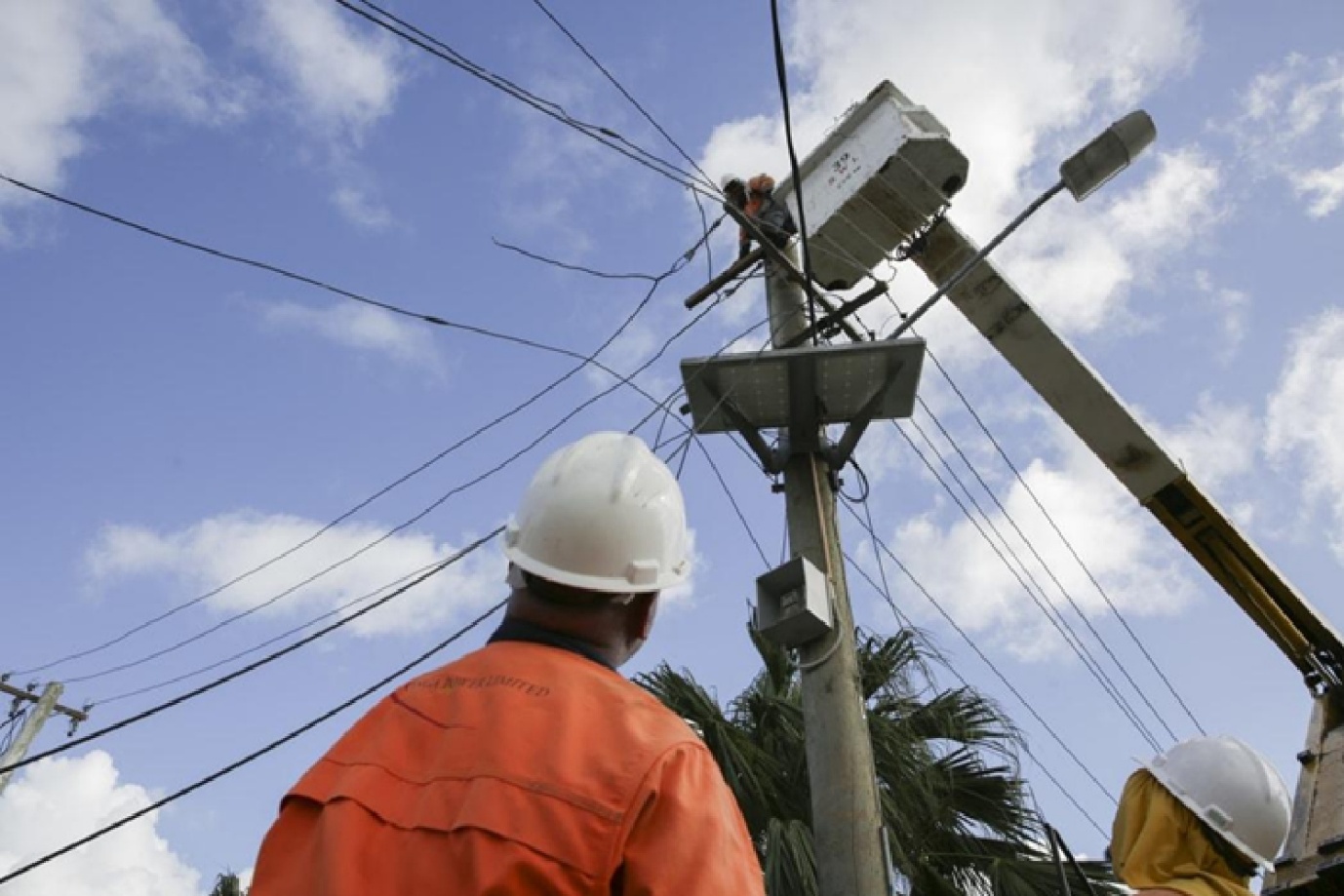
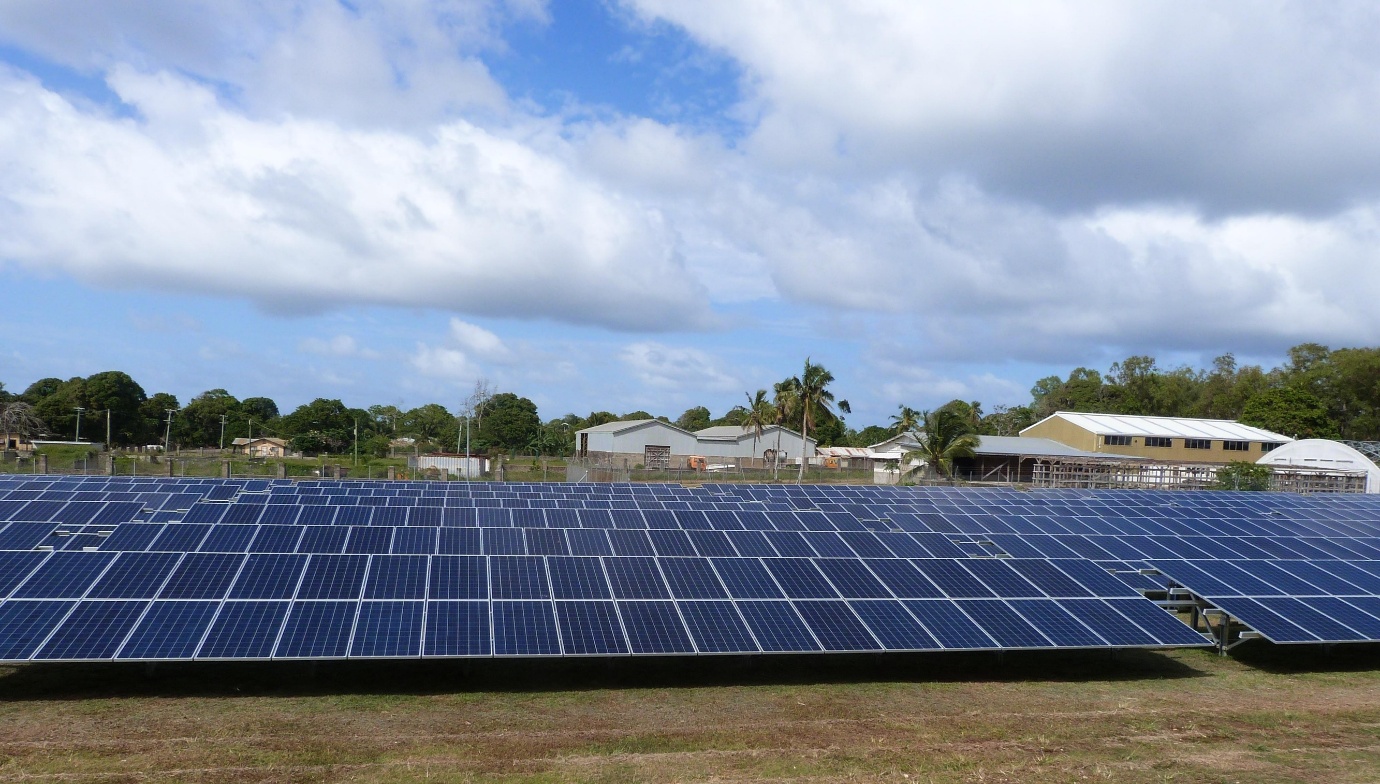 How PV works, and its severe limitations