
Government Confirms Fuel Prices Will Rise as Focus Turns to Supply Stability
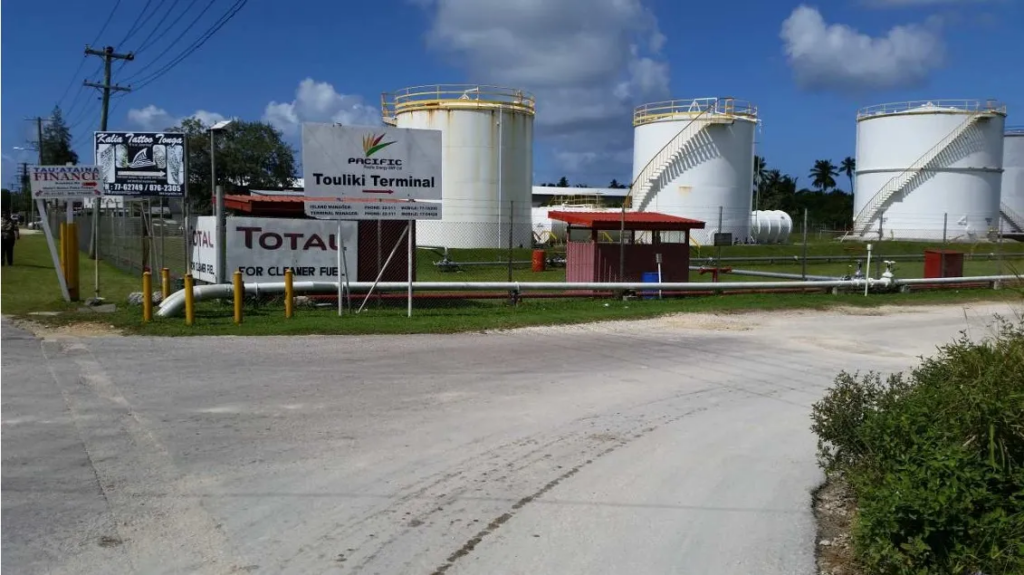
The Tongan government says fuel prices are expected to rise in the coming pricing cycles as global oil markets tighten, while officials say their main concern is ensuring that fuel shipments continue arriving in the country.
In responses to questions from Tonga Independent, officials said the recent decline in local fuel prices is unlikely to continue given rising international oil prices linked to tensions affecting global energy supply routes.
“Indeed fuel prices will increase in upcoming pricing cycles,” the government said in its response. “But there is nothing we can do about it — our concern is the consistency of the oil delivery.”
Fuel Stocks and Supply Arrangements
Officials said Tonga currently holds about 600 tonnes of fuel in storage, although they did not specify how much of this is petrol or diesel, or how long those reserves would last if shipments were delayed.
Authorities said supply agreements have been secured with major fuel suppliers Pacific Energy and Total Energy. According to officials, these arrangements replace earlier informal supply practices and are intended to provide more reliable long-term fuel deliveries.
A backup shipping arrangement is also in place with Matson, allowing fuel to be transported from Auckland if regular regional supply routes are disrupted.
Officials said the alternative route could be used if supply lines in Asia face disruption.
Electricity Supply the First Priority
Government officials confirmed that maintaining electricity generation would take priority if fuel supplies were constrained.
Electricity production in Tonga relies heavily on diesel-powered generators operated by Tonga Power Limited.
Any disruption to fuel imports could therefore affect not only vehicles and transport but also power generation, water pumping systems, telecommunications networks and other essential services.
Officials said the Director of Energy is still working on a list of priority sectors that would receive fuel first in the event of supply disruptions. At this stage, electricity has been identified as the top priority.
Global Market Pressures
The warning comes as oil markets respond to supply risks linked to tensions in the Middle East.
A significant share of the world’s oil moves through the Strait of Hormuz, one of the most important routes for global energy trade.
Disruptions in that region can quickly push oil prices higher and affect refined fuel markets across Asia.
Pacific countries, including Tonga, typically import fuel priced against benchmarks linked to Singapore, one of the region’s largest fuel trading centres. Changes in those markets are eventually reflected in Pacific fuel prices.
Because Tonga purchases fuel in cargo shipments rather than daily market trades, local prices often reflect earlier market conditions. However, if global prices remain high, those increases will appear in future price adjustments.

No Strategic Fuel Reserve
Officials also confirmed that Tonga does not currently maintain a national strategic fuel reserve similar to those held by larger countries.
Strategic reserves are designed to provide emergency supplies if global fuel markets face serious disruption. Without such reserves, small island countries depend heavily on regular shipping deliveries and commercial storage facilities maintained by suppliers.
Precautionary Buying
Officials also noted reports of precautionary purchases of fuel and gas by some consumers ahead of upcoming national events.
There have been no indications of shortages, but the comments suggest that international energy developments are beginning to influence local behaviour.
Tonga’s Energy Dependence
Like many Pacific island countries, Tonga relies almost entirely on imported fuel for transport, electricity generation and much of its economic activity.
That dependence means global energy disruptions can eventually affect both fuel prices and supply conditions in the country.
Government officials say the priority is ensuring that shipments continue arriving regularly, even as international fuel prices move higher.