Power Under Pressure
By Tonga Independent News
Tonga has launched a subsea geothermal test beneath the ocean floor, opening the door to a new source of power but leaving key questions unanswered.
Key details about the project have not been made public.
In a statement issued Thursday, the Government confirmed the start of a subsea geothermal test deployment in partnership with United States-based Endurance Energy.
The agreement was formalised in February, when Prime Minister Lord Fakafanua signed a Memorandum of Understanding with the company during a regional meeting in Hawaii.
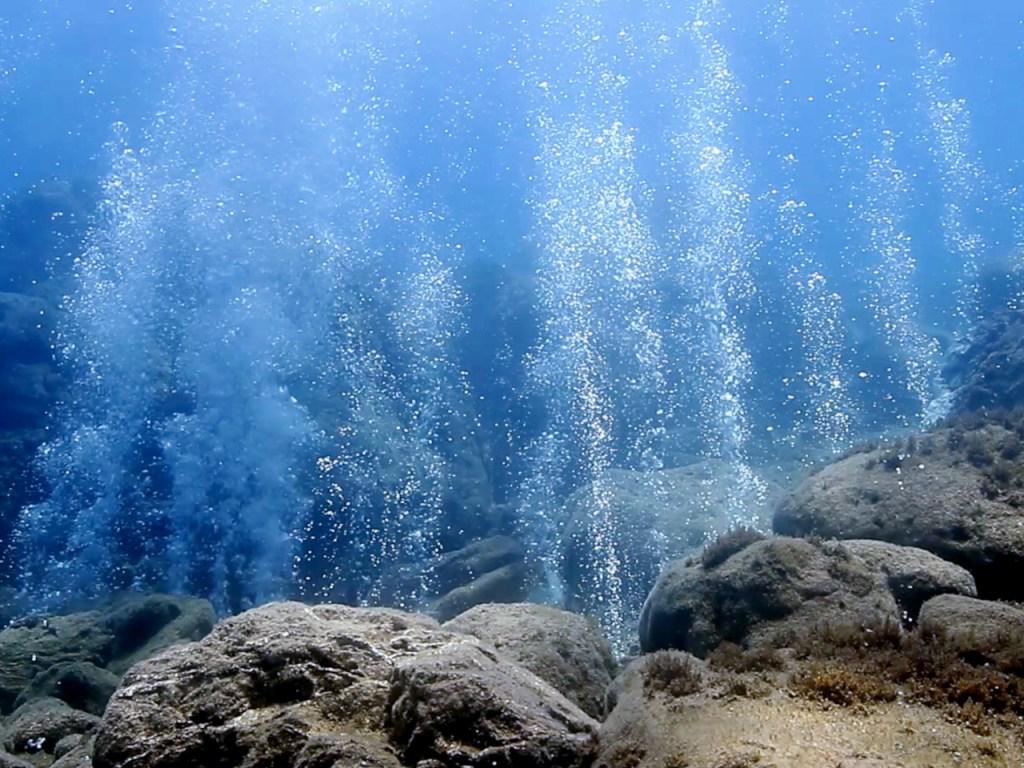
The pilot will test whether heat from Tonga’s underwater volcanic systems can be used to generate electricity.
This comes as Tonga continues to rely heavily on imported fuel.
About 80 percent of electricity is produced using diesel, leaving the country exposed to global price movements, shipping delays and rising costs for households.
The Government says geothermal energy could reduce that dependence, provide a more stable power supply and lower electricity costs over time.
“This work is vital for Tonga’s future energy security,” the Prime Minister said in the release, pointing to the potential to substitute diesel base load power and lower electricity costs for households and businesses.
The initial phase will focus on testing the system and how it operates in Tonga’s marine conditions. Any further development will depend on the results.
However, the announcement leaves several questions unanswered.
No cost has been disclosed.

There is no information on how the project is being funded, whether by government, donors or private investment.
The commercial terms with Endurance Energy have not been outlined. It is not clear what the company will receive if the project moves beyond the testing stage.
There is also no detail on ownership of any future power generation, or whether long-term agreements such as power purchase arrangements are being considered.
A timeline has not been provided.
These are core questions that go to cost, risk and control.
Energy projects of this scale affect electricity pricing, public finances and the performance of state-owned utilities.
Without that information, it is difficult to assess the level of risk or the long-term impact on the country.
For now, the project remains at the testing stage.
If it works, Tonga gains a new source of power.
If it does not, the country remains exposed to the same risks — rising costs, supply shocks and continued reliance on diesel.