Operators Challenge Whale Licence Decisions as Tourism Sector Seeks Answers
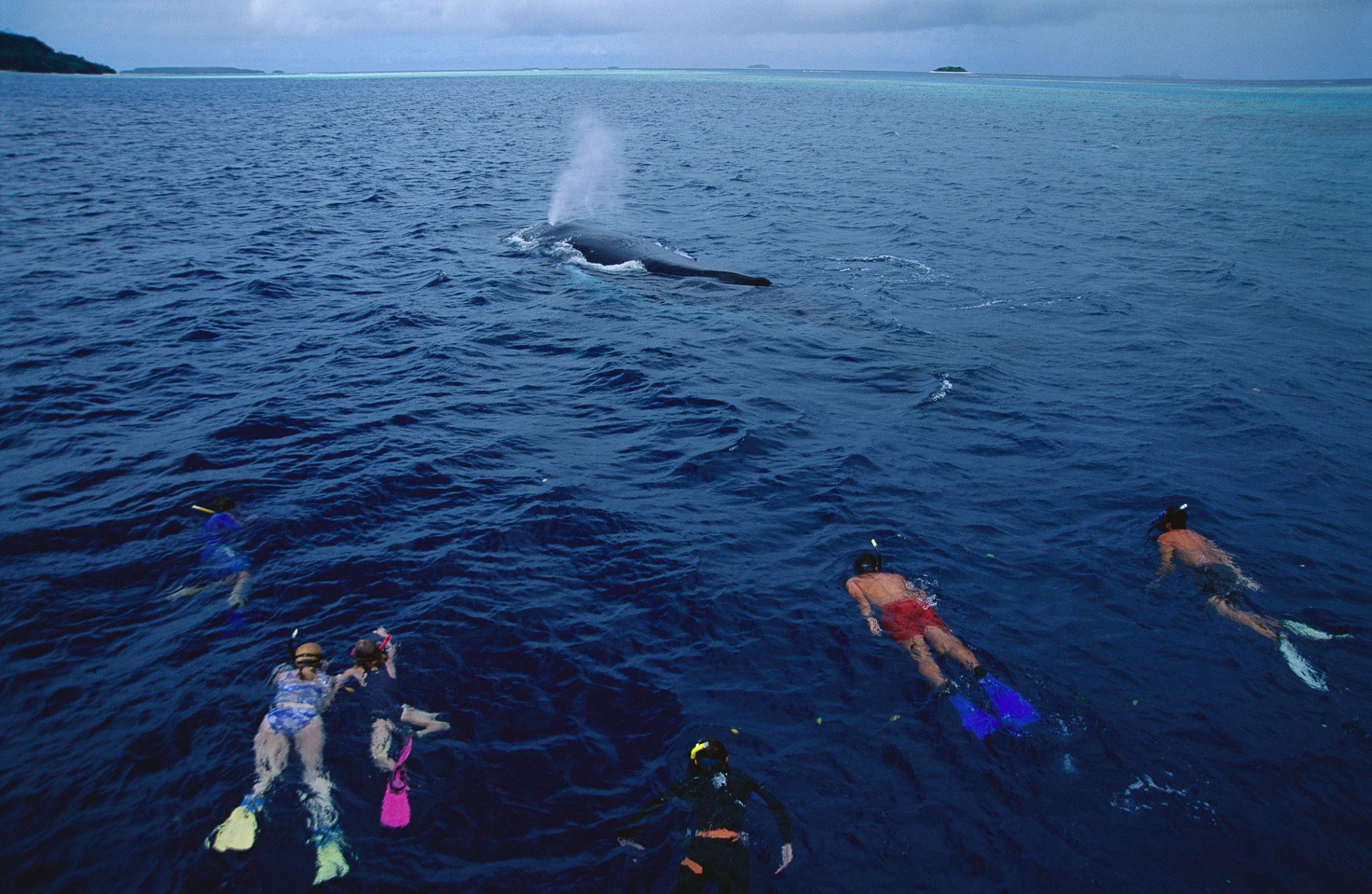
The Ministry of Tourism’s decision to decline a number of whale watching licence applications for the 2026 season has triggered concern among operators in Vava’u, with industry participants questioning both the process and the potential impact on one of Tonga’s most important tourism sectors.
Tonga Independent has obtained correspondence showing that at least one operator has formally appealed the Ministry’s decision after its application for a 2026 Whale Watching and Swimming Licence was declined.
The dispute has raised a broader question for the tourism sector: is the Ministry simply enforcing compliance against individual operators, or is it implementing a wider strategy to reduce the number of whale-watching licences in Vava’u? The answer could have significant implications for businesses that have invested heavily in vessels, staff and future bookings.
The operator’s appeal argues that the timing of the decision has placed businesses in a difficult position, particularly where bookings and financial commitments have already been made for the upcoming season.
“We have quite a few bookings already with deposits starting in October for over $250,000, as well as an obligation to the bank for our business loan,” the operator told Tonga Independent. “The time is not right, and they should have consulted us so that we could explain what we have committed to.”
The operator argues that any reduction in licence numbers should have been preceded by consultation with affected businesses and sufficient notice to allow operators to adjust their bookings, staffing and financial commitments.
In a letter dated 15 May 2026, Minister for Tourism Hon. Semisi Sika advised the company that its renewal application had been unsuccessful. The letter stated that the decision was made pursuant to the Whale Watching and Swimming Regulations 2013 and cited multiple breaches of the regulations during the previous season. The Ministry stated that evidence had been collected, warning letters issued and a final warning provided before the application was declined.
However, the operator disputes the decision and has lodged a formal appeal, arguing that the refusal has significant financial implications for the business, its staff and customers who have already made bookings for the upcoming whale season.
The appeal states that the company had secured substantial forward bookings, accepted customer deposits and invested in vessel maintenance and operational costs in preparation for the 2026 season.
The case has highlighted broader concerns within the whale tourism industry regarding the future direction of licence allocations in Vava’u.
Several industry participants have told Tonga Independent that a number of applications were declined for the 2026 season, with some operators estimating the figure could be as high as six. Tonga Independent sought confirmation of the exact number from the Ministry of Tourism but did not receive a response before publication.
Questions remain as to whether the declined applications reflect individual compliance issues or a broader policy shift aimed at reducing the number of whale-watching operators in Vava’u.

The issue is particularly significant given the economic importance of whale tourism to the Kingdom. Whale watching remains one of Tonga’s premier tourism attractions and is a major source of income for accommodation providers, restaurants, transport operators, tour companies and local communities throughout Vava’u.
Industry sources told Tonga Independent that the matter has now been raised with senior levels of Government and that concerns have been expressed regarding the manner and timing of any reduction in operator numbers, particularly where businesses have already made financial commitments and accepted future bookings.
At the same time, operators contacted by Tonga Independent acknowledged the need for strong protections for Tonga’s whale population and supported enforcement action against operators who breach regulations.
Some industry participants questioned whether reducing licence numbers alone is the most effective way to address compliance concerns. Alternative measures suggested include graduated enforcement systems for repeat offenders, onboard CCTV monitoring, GPS vessel tracking and expanded use of technology to improve compliance monitoring and scientific research.
The debate highlights a broader challenge facing the industry. Tonga’s whales are a national asset that require careful protection, yet whale tourism also provides significant economic benefits to Vava’u and the wider economy.
The Ministry of Tourism faces the difficult task of balancing conservation objectives, scientific advice, operator compliance and economic sustainability. As the 2026 season approaches, operators, visitors and local businesses will be looking for greater clarity on how those competing interests will be managed in the years ahead.
Tonga Independent contacted the Ministry of Tourism on two occasions seeking comment on the number of licences approved and declined, the consultation process undertaken, the scientific advice relied upon and the potential economic impacts of the decisions. Ministry representatives advised that a response would be provided. However, no response had been received by the publication deadline.