Climate Fund Applicants Face Delays as Tonga Secures US$15 Million More
Tuífua Vailena
10/11/2026
NUKUʻALOFA, TONGA: Applicants seeking financial assistance from the Tonga Climate Change Fund (TCCF) say lengthy assessment periods and limited communication have left them uncertain about whether their projects will receive funding.
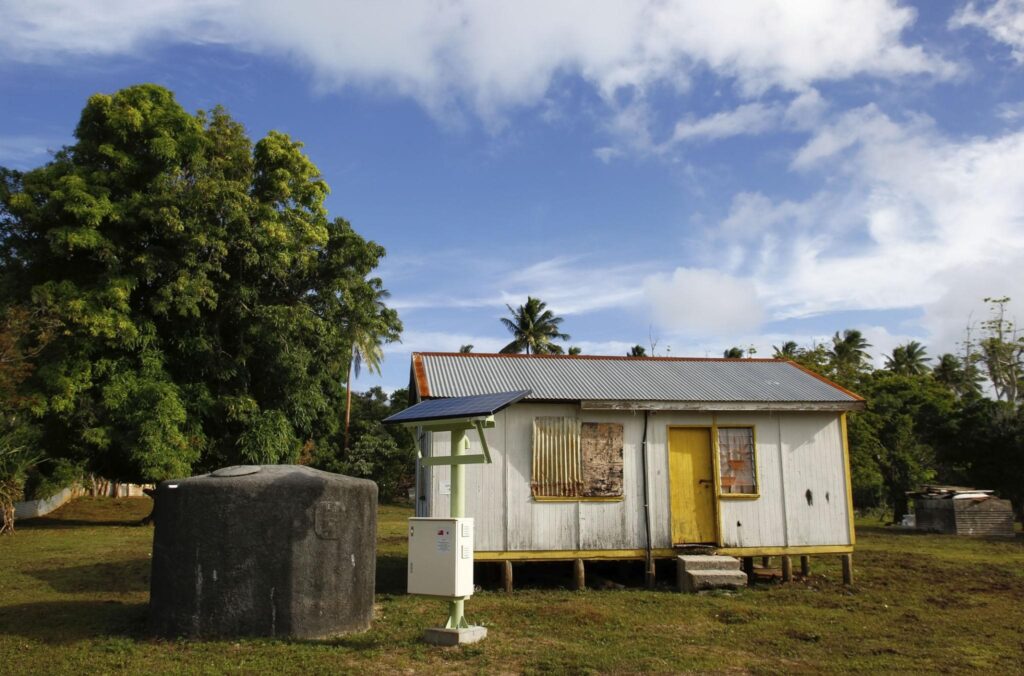
One non-government organisation seeking approximately TOP $310,000 to provide solar electricity to vulnerable households in Hihifo, Tongatapu, has been waiting since 31 August for a decision.
The organisation obtained quotations from overseas suppliers, most valid for only 30 days. Those quotations are now expiring while the application remains under assessment, creating uncertainty over project costs.
By the time funding decisions are made, supplier quotations may have expired and prices may have changed, forcing applicants to obtain new quotes or revise project costs. For communities seeking cyclone protection and reliable electricity, the uncertainty could delay work intended to protect homes and improve resilience.
In correspondence seen by Tonga Independent News, the TCCF confirmed on 21 September that the application was under review.
When asked how long the process would take, a fund representative replied that assessments depended on the availability of technical members but should be completed within three months.
That period has not yet expired, but the organisation faces having to obtain new quotations before a decision is made.
Another applicant, a prominent businesswoman and community leader, has publicly criticised the TCCF’s application process after seeking assistance to strengthen house roofs and install cyclone shutters.
In a Facebook post written in Tongan, she questioned the amount of paperwork required and called for applicants to receive quicker decisions.
“If this is supposed to be financial assistance, then at least provide applicants with a quick response,” she wrote.
She also warned that the requirements could discourage people from applying.
“Some simply give up because the time and effort involved seem greater than the amount of financial assistance being offered,” she wrote.
Concerns Raised Within the Department of Climate Change
An official working with the Department of Climate Change told Tonga Independent News that complaints about the TCCF’s administration had been raised with the department by more than one person.
The official described the application process as overly bureaucratic and said it was causing unnecessary delays.
It remains unclear what action, if any, the department has taken to address those concerns.
Millions More Approved for Climate Fund
The complaints come as the Government of Tonga has announced the approval of US$14.98 million in new climate adaptation funding, with approximately US$10.3 million earmarked to support the TCCF.
The funding was approved by the Adaptation Fund Board at its meeting in Bonn, Germany, on 23 October 2026, for a six-year project.
According to the Pacific Community (SPC), US$10 million is specifically budgeted for adaptation projects through TCCF grants, while a further US$2.2 million will support institutional improvements and help organisations and communities prepare funding applications.
The project will support water security, climate-resilient infrastructure, sustainable agriculture and community-led adaptation initiatives.
SPC will oversee the project as the Regional Implementing Entity, with responsibility for technical and financial oversight. The Department of Climate Change under MEIDECC will be responsible for national coordination and implementation.
SPC Acknowledges Concerns Over Application Delays
SPC has acknowledged concerns about the TCCF’s application requirements and assessment periods, confirming that the new project will include a review of the fund’s procedures and governance arrangements.
In response to questions from Tonga Independent News, SPC Climate Finance Adviser Anna Deinhard said the project would examine the fund’s regulations, Operational Manual and application procedures to identify areas requiring improvement.
“We are aware of the concerns raised around application requirements and assessment periods,” she said.
However, Deinhard confirmed that no revised assessment timeframes have been established.
An organisational capacity assessment will examine the fund’s governance and operational systems, including the committees responsible for managing and assessing applications.
The project will also provide technical assistance to help organisations and communities prepare funding proposals, particularly those with limited resources or experience accessing climate finance.
SPC said oversight arrangements would include independent audits, regular monitoring and reporting, and stronger mechanisms for communities to lodge complaints.
The project is expected to move into implementation in 2027, subject to the completion of legal agreements and other start-up requirements.

MEIDECC Yet to Answer Questions Over Fund Administration
While SPC has provided detailed responses about the planned improvements, the Ministry of Meteorology, Energy, Information, Disaster Management, Environment, Climate Change and Communications (MEIDECC) has yet to respond to questions from Tonga Independent News about the fund’s existing administration.
TIN sought clarification on complaints about processing delays, complicated application requirements and supplier quotations expiring while applications remain under review.
TIN also requested figures showing how many applications the TCCF has received, approved, rejected or left pending, together with average assessment times.
Without those figures, TIN cannot independently establish how widespread the reported delays are or whether the fund is meeting reasonable assessment timeframes.
The ministry was also asked what measures it was taking to address complaints about excessive paperwork, lengthy assessments and expiring supplier quotations.
No response had been received by the time of publication.
As the national agency responsible for implementing the newly approved project, MEIDECC will have a central role in ensuring that additional funding is administered efficiently and transparently.
Existing Applicants Face Continued Uncertainty
For applicants already awaiting decisions, the new funding announcement offers no immediate certainty.
SPC said the treatment of existing applications would depend on their status, eligibility and the TCCF’s procedures and funding calls.
With implementation of the new project not expected until 2027, applicants seeking assistance for cyclone protection, solar electricity and other resilience projects remain subject to the fund’s existing assessment arrangements.
The approval of US$10 million in additional adaptation grants brings a renewed focus to how the TCCF processes applications and delivers assistance to communities.
For those already waiting, the immediate concern remains when they will receive a decision and whether their projects can proceed before costs change or another climate-related disaster strikes.