
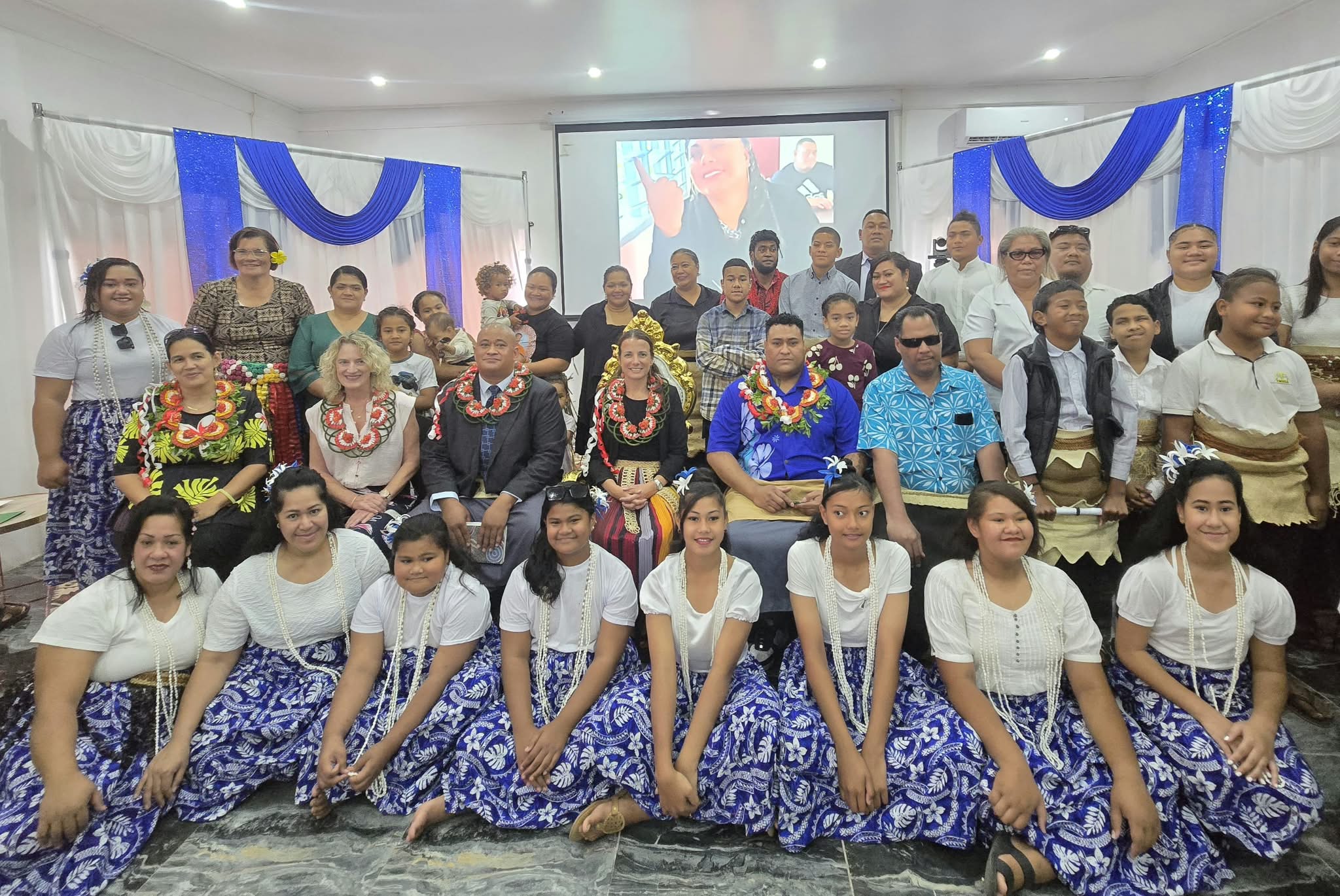
Australia is providing TOP 100,000 to the Tonga National Deaf Association (TNDA) over the next year to support its work with deaf Tongans and their families.
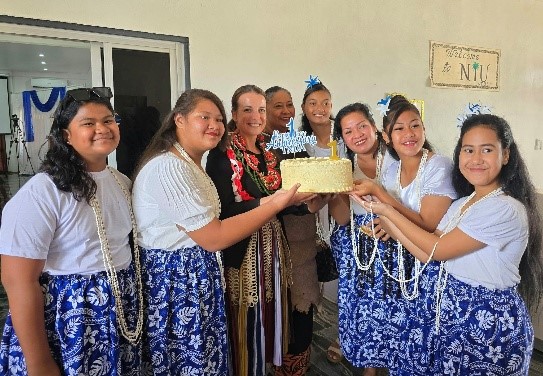
TNDA is also marking its first anniversary. In just 12 months, the association has grown to around 100 members on Tongatapu, ranging from young children to adults.
Not one deaf student in Tonga’s history has graduated from Form 7, according to TNDA, while only a handful of deaf students are currently in classrooms anywhere in the country.
The association says the problem is not the ability of deaf children to learn, but the lack of teachers who can sign, classroom interpreters and a Tongan sign language they can use to follow their lessons.
“Deaf children can learn as well as any other Tongan child,” TNDA President Fisiʻilose Metui said.
“What they have not had are teachers who can sign, interpreters in the classroom, and a sign language they can follow their lessons in.”
The new Australian funding will support family outreach, evening classes for deaf adults and continued work to document and develop Tongan sign language.
The funding was announced on Monday, 21 September, at the opening of International Week of Deaf People, which is being celebrated in Tonga for the first time.
Metui, who is deaf, said the association’s first year had involved a lot of learning and encouraging deaf Tongans to participate in its programmes.
“Our first year was hard. It took a lot of learning, sharing experiences and encouraging each other to willingly participate in programmes and Tongan life,” he said.
“We now have a community of deaf people who regularly meet with each other and learn signs together.”
 TNDA has also been helping families learn to communicate with their deaf children through sign language and has begun advocating with government, schools and service providers.
One of the association’s major projects is documenting Tongan sign language.
Metui said having their own organisation had given deaf Tongans greater confidence to advocate for their right to education, access to information and the same opportunities as other Tongans.
“This was always my dream, but I never knew how to make it possible. And now it’s becoming a reality,” he said.