Opinion:Tonga’s Most Powerful Energy Resource Is Already All Around Us
By Ken Davey
We do not inherit the earth from our ancestors; we borrow it from our children
Last time we spoke about the light-driven system called PV (photovoltaics). We looked at some of the limitations of these systems and whether they are delivering what has been promised in Tonga and across the rest of the Pacific islands.
In today’s article, we’re going to discuss another light-driven system. It is certainly not man-made, and unlike PV, its potential extends well beyond electricity generation. It has the ability to reshape Tonga’s economy and set Tonga on a fully sustainable pathway towards a prosperous, equitable and self-determined bio-circular economy.
“We do not inherit the earth from our ancestors; we borrow it from our children.”
Since coming across that statement over a decade ago, it has anchored my biogas, bioenergy and circular economy journey, and I invite readers to consider its profound truth.
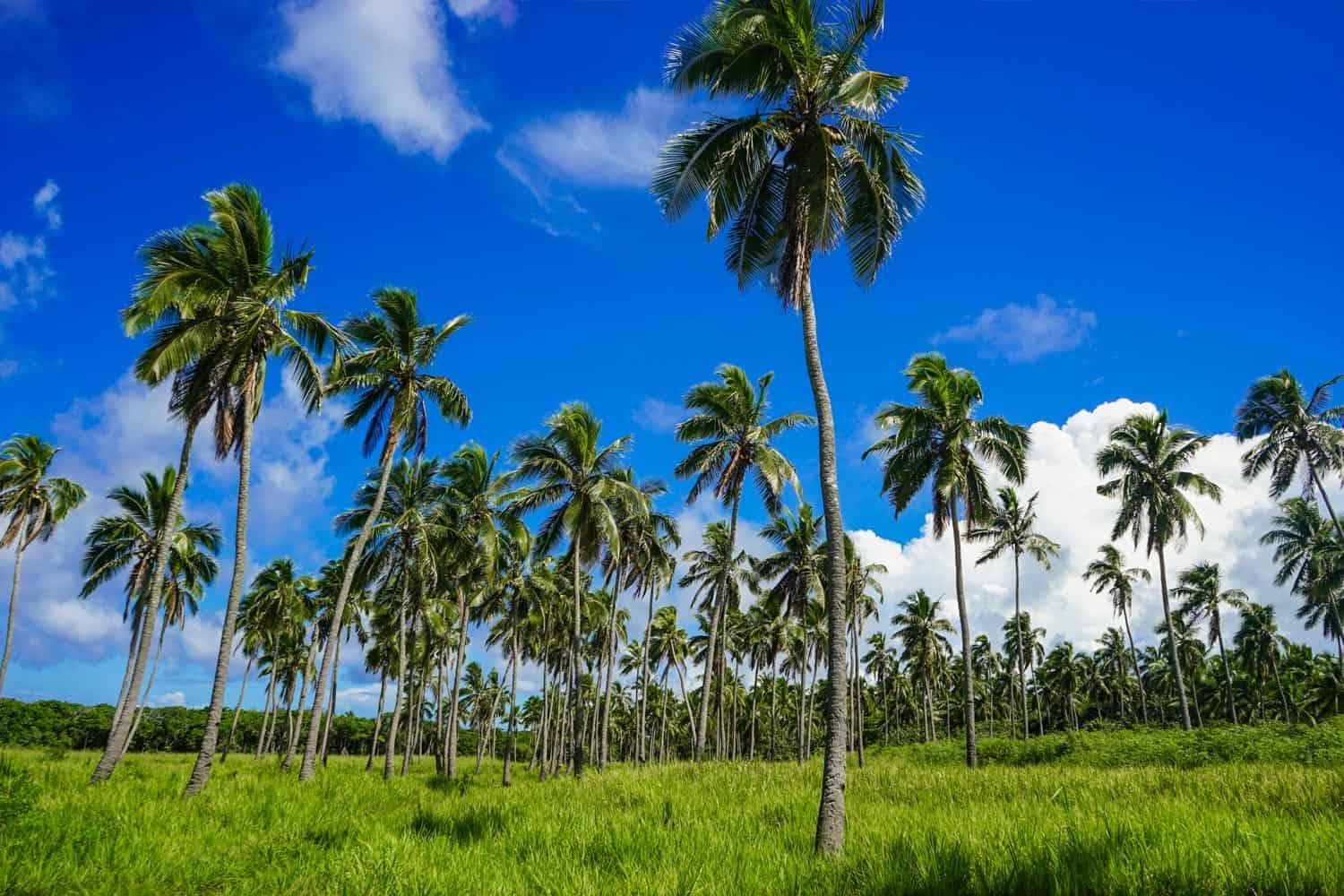
Tonga is blessed with one of the most powerful natural engines on Earth: tropical photosynthesis. What this supercharged, light-driven engine delivers to Tonga every single day is beyond extraordinary, and it is delivered entirely free of charge.
Bioenergy
Biomass comes from photosynthesis, and bioenergy comes from biomass. Simply put, the more abundant the photosynthesis, the greater the potential for biomass and bioenergy. For Tonga, that photosynthesis-biomass-bioenergy connection is amplified by our tropical environment, and that natural advantage has significant socioeconomic development implications.
Fundamental to human existence
Photosynthesis is the ultimate natural system for creating organic carbon, and organic carbon is fundamental to human existence. As humans, we are largely built from carbon. In fact, if you remove the water, about half of our body weight is carbon.
The food on our tables and the feed for our livestock depend on organic carbon, and by leveraging tropical photosynthesis, Tonga has the potential to produce much more of that organic carbon locally.
Importantly, this natural connection between photosynthesis, biomass and bioenergy enables us to produce food and feed right here in Tonga, along with a range of other bioproducts derived from locally produced, renewable organic carbon.

Renewable molecules and renewable electricity
The smart energy system of the future for both developed and developing countries will require an integration of renewable molecules and renewable electrons. Bioenergy has the important ability to contribute to both.
Currently, the “molecules” half of that equation for Tonga relies heavily on imported fossil fuels, specifically liquid hydrocarbons. Tonga pays a significant economic and socioeconomic price for this dependence on someone else’s hydrocarbons: an energy source over which Tonga has near-zero control.
But Tonga does not have to remain dependent on imported carbon-based energy.
By leveraging tropical photosynthesis through the photosynthesis-biomass-bioenergy connection, Tonga has the potential to produce a significant share of the carbon-based renewable energy needed to support a more sustainable, prosperous, equitable and self-determined bio-circular economy.
This isn’t merely about electricity generation. It is about using tropical photosynthesis and biomass to provide renewable energy for a much wider range of purposes.
Beyond greater energy self-sufficiency, Tonga has the potential, relative to its size, to become a significant producer of bioenergy and bio-based products, reversing at least part of the current flow of money offshore for imported energy.
Driven by tropical photosynthesis and enabled by locally produced bioenergy, I believe Tonga has the potential to build an economy significantly larger and more resilient than the current import-dependent model. My own analysis suggests that, if this resource is developed to its full potential, Tonga’s economy could ultimately become five to six times larger than it is today.
Tonga is blessed with one of the most powerful natural engines on Earth: tropical photosynthesis. To leave this natural engine idle and fail to take stewardship of this blessing is to deny future generations the opportunity to assume greater sovereignty over their future and to leave their own legacy:
“We do not inherit the earth from our ancestors; we borrow it from our children.”
Next time: different types of bioenergy and circular economy systems
Next time we will take a deeper look at the different types of bioenergy and how they can support agricultural and agri-industrial circular economy systems.
We will examine how these systems could simultaneously address food and feed security, energy security, local organic fertiliser production, bioproducts and biochemicals, while helping Tonga develop a modern processing and manufacturing sector fit for the 21st century.
Until next time.