Tears, Regret, and Hope: Rotorua Court Hears Final Plea to Keep Tongan Husband in NZ
A Rotorua judge has urged the wife and supporters of a Tongan overstayer not to give up their fight to keep him in Aotearoa New Zealand, despite formally ordering his detention and deportation.
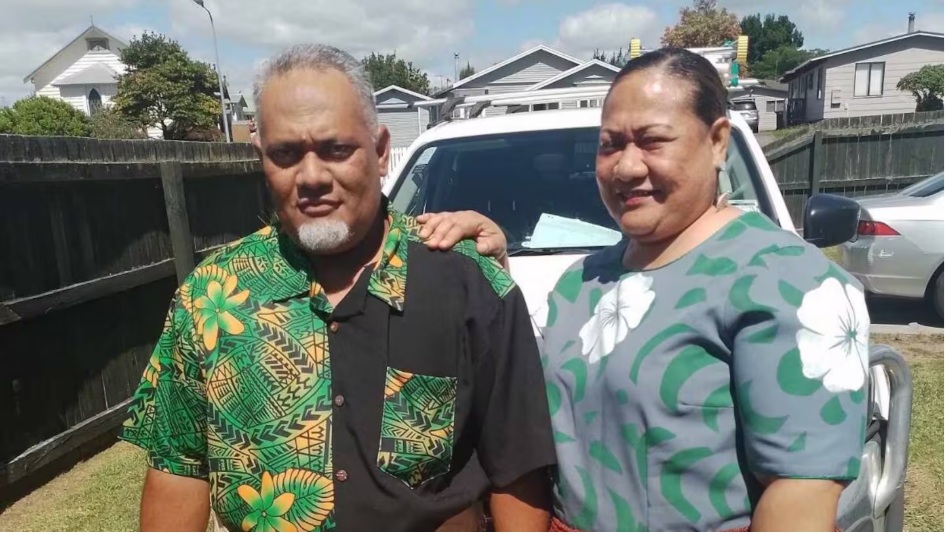
After 16 years living in New Zealand without a visa, 48-year-old Paea Vehikite was taken into custody and is being deported to Tonga today. His removal follows a warrant of commitment granted last month in the Rotorua District Court after Immigration New Zealand pursued legal action to have him detained and removed.
Vehikite arrived in New Zealand in May 2009 and remained unlawfully after failing to secure a visa. For years, he quietly lived with his wife, Kilisitina Vehikite, in Rotorua, where the couple became active members of the local Tongan and broader Pacific community.
In an emotional courtroom scene last week, Kilisitina tearfully addressed Judge John Bergseng, apologising for misleading immigration officials and police who arrived at their property on June 30 to detain her husband.
“I am sorry. When they came on the 30th, I was lying to immigration and the police. I was scared,” she said. “I do apologise for lying. I was just trying for my husband to stay here. My health is not good, and he is a good person.”
The couple’s battle was marred by misinformation and exploitation. Kilisitina explained to the court that she sought help from someone she believed to be a licensed immigration adviser, only to later discover they were unqualified. The failed application under Section 61 of the Immigration Act—a discretionary process that allows overstayers to request a visa in special cases—was denied in April.
Despite the legal limitations, Judge Bergseng expressed compassion for the family’s ordeal and the apparent systemic failures that contributed to their situation.
“In some ways, it is clear he has been let down by others who have not done the right thing by him when proper advice was earlier sought,” said Judge Bergseng.
The judge acknowledged more than 20 members of the Tongan community who packed the courtroom, including local leaders who submitted written support for Vehikite.
“I simply do not have any power to allow Mr Vehikite to remain in New Zealand. That lies with the Minister of Immigration,” he said, noting that any change to Vehikite’s situation would now have to come through ministerial intervention or a formal appeal to the Immigration and Protection Tribunal, where exceptional humanitarian circumstances are considered.
However, in a parting message filled with empathy, the judge urged the family not to lose hope.
“I am no expert in immigration matters, but if you have resources and can get in contact with people who understand this, can I suggest you don’t give up yet… It is worth trying whatever you can.”
Kilisitina told the Rotorua Daily Post she would fly to Tonga tomorrow to reunite with her husband for two weeks, though her poor health requires her to return to New Zealand.
“I miss him. My love for him will never stop. I will keep trying,” she said, reaffirming the couple’s determination to pursue lawful reunification.

Why Is This Case Different?
Vehikite’s case has drawn comparisons with other high-profile overstayer stories, some of whom were eventually granted residency in New Zealand under exceptional circumstances.
For example:
- Tevita Finau, a Tongan overstayer living in South Auckland for over 15 years, was granted residency in 2021 after a grassroots campaign drew public attention to his case. He had been caring for his terminally ill partner and was deeply embedded in church and volunteer work.
- Latu Halafihi, another long-term Tongan overstayer, was granted residency in 2020 after proving significant hardship would befall his children if he were deported. The Immigration and Protection Tribunal found that deportation would be “unjust and unduly harsh” given his family responsibilities and lack of ties to Tonga.
These cases often hinge on three legal and humanitarian thresholds:
- Exceptional humanitarian circumstances – especially when children or vulnerable dependents are involved;
- Strong community ties and contribution – especially where applicants are well-integrated;
- Ministerial discretion – through Section 61 or direct intervention by the Minister of Immigration.
In contrast, Vehikite’s case faltered partly due to a lack of qualified immigration support and procedural missteps, such as failing to leave within the 14-day period after his Section 61 application was declined. While his wife’s health issues were raised, they may not have been fully documented or supported by independent medical assessments during his visa request process.
Immigration New Zealand maintains that overstayers are required to regularise their status and that leniency is not guaranteed, particularly where someone has remained unlawfully for many years without engaging in the proper legal channels.
However, the strong support from the Rotorua Tongan community, evidence of positive contribution, and the judge’s own remarks suggest there may still be a pathway forward—if not through the courts, then through direct ministerial appeal.
What Comes Next?
Legal experts say the Vehikite family could still submit a new humanitarian request to the Minister of Immigration or file an appeal on humanitarian grounds with fresh medical, psychological, and community evidence. They may also consider seeking legal redress for the unlicensed immigration advice they received.
For now, Paea Vehikite’s story is another chapter in the long and often painful journey of Pacific overstayers in New Zealand—caught between rigid immigration policies and the human complexities of love, contribution, and community belonging.
By Melino Maka, Tonga Independent News