Seabed Mining Deal Could Leave Tonga Liable Before Earning a Dollar
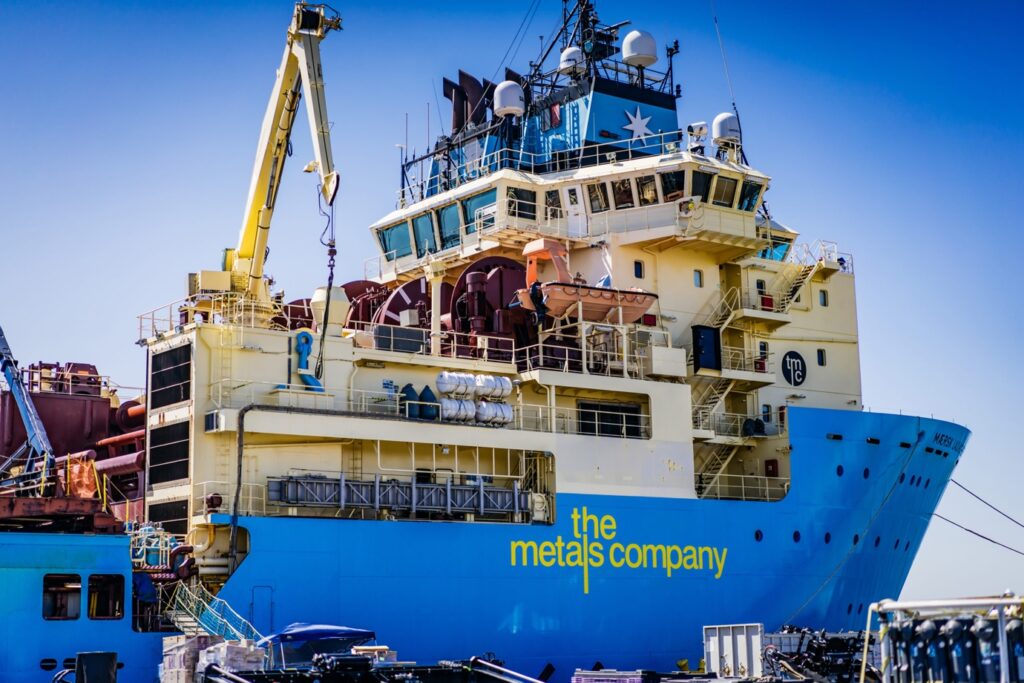
The release of Tonga’s Sponsorship Agreement with Tonga Offshore Mining Limited (TOML), a wholly owned subsidiary of The Metals Company (TMC), has ignited urgent questions about who advised the Government on the deal and whether the terms adequately protect the country’s long-term interests.
The agreement, signed on 4 August 2025, formalises Tonga’s sponsorship of TOML’s exploration and potential exploitation of polymetallic nodules in the Clarion-Clipperton Zone, a remote stretch of the Pacific seabed governed by the International Seabed Authority. While the contract promises financial benefits through a “Commercial Recovery Payment” once production begins, the fine print reveals sweeping concessions and legal commitments that appear to heavily favour the company.
One clause, known as the stabilisation clause, effectively locks in the current legal framework, preventing any future Tongan laws from diminishing TOML’s rights unless required by international law. This could severely limit Tonga’s ability to introduce stronger environmental safeguards or adjust financial terms in response to changing circumstances. If new laws do impact TOML’s operations, the State must restore the company’s “economic rights” or face the risk of contract termination.
While TOML must comply with ISA environmental rules, the agreement leaves primary monitoring in the company’s hands. Much of the work can be subcontracted, yet the State has no direct control over these contractors beyond TOML’s own assurances.
Tonga will not receive a share of the minerals or the profits from processing them. Instead, the country’s income is tied to a fixed payment per tonne of nodules recovered, adjusted only for inflation. This means Tonga’s earnings are capped and predictable, but limited even if the project turns into a global mining boom. If world prices for nickel, cobalt or copper double or triple, TOML keeps almost all of the upside while Tonga’s per-tonne payment changes only marginally.

Adding to the concern, Tonga will not begin receiving these payments until an undisclosed future date. In the meantime, its legal responsibilities as the sponsoring State under the United Nations Convention on the Law of the Sea take effect immediately. This leaves the country exposed to potential environmental or legal liabilities before earning a single dollar from the venture.
The Deed of Guarantee from TMC offers only “limited indemnification” for liabilities. As the sponsoring State, Tonga could still face substantial financial exposure for environmental damage or regulatory breaches by TOML or its subcontractors. In practice, that could mean taxpayers footing the bill and less money available for schools, hospitals or basic services if things go wrong.
Some Pacific neighbours have negotiated deals that include profit-sharing or greater state oversight, ensuring a stake in potential windfalls. By contrast, Tonga’s arrangement leaves the nation as a guarantor for a private venture, with benefits that depend entirely on production volume and not on the actual value of the metals recovered.
With so much at stake legally, environmentally and financially, the agreement raises questions that demand immediate answers. Who provided the Government’s legal and technical advice during these negotiations, and was there any independent assessment of the environmental and fiscal risks? Were alternative contractual models explored, or was Tonga simply presented with a take-it-or-leave-it offer? And in a deal where key financial terms are redacted, how will transparency and accountability be ensured?
For a small island nation, these choices are not measured in abstract clauses and redacted pages. They will be felt in classrooms, hospitals and village halls, in the health of the ocean that feeds communities, and in the sovereignty of a country whose future should not be signed away without the full consent and understanding of its people.