Op-Ed: Tonga’s Economy Is Improving, but the Warning Signs Are Clear
Tonga’s latest economic report by the reserve bank brings some welcome news. Growth has returned, exports are rising and inflation remains within the central bank’s reference range. Foreign reserves are still strong, providing a degree of protection against external shocks.
At first glance, the economy appears to be moving in the right direction.
A closer reading, however, shows a recovery that remains uneven and vulnerable beneath the headline figures.
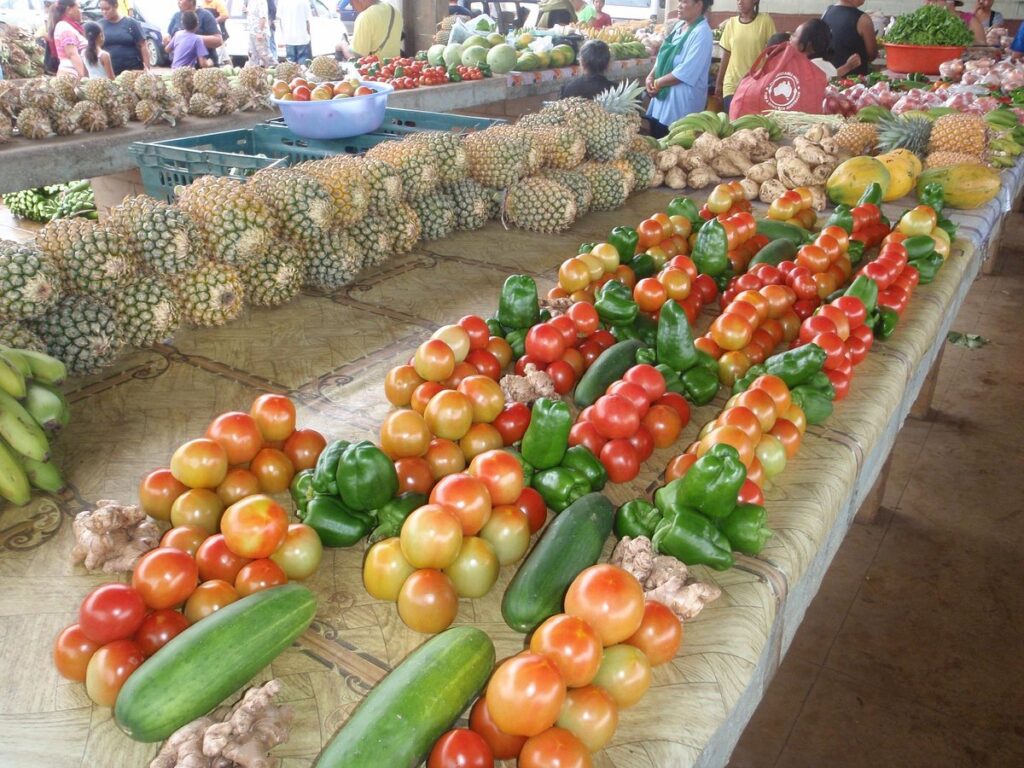
Agriculture stands out as the clearest positive. Exports of cassava, taro, yams and squash rose sharply in September, lifting both volumes and earnings. This type of growth matters because it supports rural livelihoods, strengthens food security and earns foreign exchange at the same time. It is one of the few sectors delivering genuine, broad-based gains.
The marine sector presents a more troubling picture. Tuna exports fell significantly and overall marine export earnings declined, despite an increase in aquarium fish exports. The issue is not volume but value. Aquarium exports generate far lower returns, highlighting ongoing challenges in extracting meaningful economic benefit from Tonga’s fisheries resources.
Construction continues to carry much of the economy. Large public infrastructure projects are sustaining demand across construction, quarrying and related industries. These projects provide employment and short-term momentum, but they are also import-heavy and largely funded through external sources. Construction now accounts for more than ten percent of real GDP, underscoring how dependent growth has become on government-led building activity.
Beyond agriculture and construction, momentum is weaker. Wholesale and retail activity has softened, tourism receipts edged down and business container registrations declined, suggesting caution among firms. While households are purchasing more vehicles and durable goods, much of this spending appears to be supported by money coming from overseas rather than rising domestic incomes.
Remittances remain the backbone of the economy. Funds sent home by family and friends abroad continue to grow over the year and now account for more than a third of GDP. These flows support households and help maintain strong foreign reserves, but they also highlight how reliant the country has become on overseas employment.

More than ten percent of Tonga’s employed population is now working abroad under labour mobility schemes. That income is vital for many families, yet it also reduces the available workforce at home and limits domestic productive capacity. It supports consumption, but it does not by itself build long-term economic strength.
Inflation remains contained at 3.4 percent, but pressure on everyday costs persists. Core inflation remains high, driven by rising prices for takeaway food, transport, kava, tobacco and basic services. For many households, particularly in urban areas, the cost of living continues to bite.
The banking system is stable, but risks remain. Credit growth has been strong, reflecting confidence and demand, yet non-performing loans remain elevated at more than 14 percent, largely among business borrowers. This warrants continued caution and careful oversight.
Foreign reserves remain comfortable, covering more than ten months of imports. However, reserves are beginning to decline as import demand rises and debt servicing increases. The buffer is solid, but it should not be taken for granted.
The central bank’s decision to maintain a neutral policy stance is appropriate for now. The economy does not require tightening, but it does require steady management.
The next phase now rests with the incoming government and the tone it sets once Cabinet is announced. The early period will provide an opportunity to outline priorities for economic stability and longer-term growth. Areas such as strengthening agriculture and exports, easing cost-of-living pressures, supporting a sound banking system and ensuring public infrastructure investment delivers lasting economic benefit will be closely watched. The economy is showing signs of improvement. Building on that progress will depend on how these early policy directions are shaped and communicated.