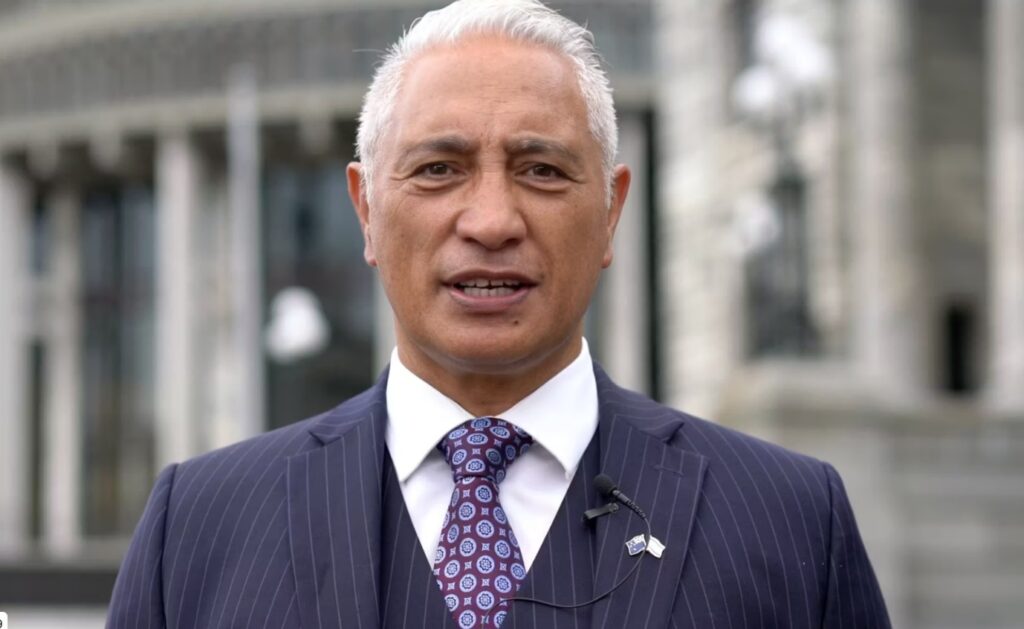
Editorial: Transparency or Tactic? The Piukala Referral and Tonga’s Test of Trust
The decision to move the investigation into the Minister of Police, Hon Piveni Piukala, to the Anti-Corruption Commission has raised more questions than answers, and the timing, just weeks before the national election, has drawn sharp attention.
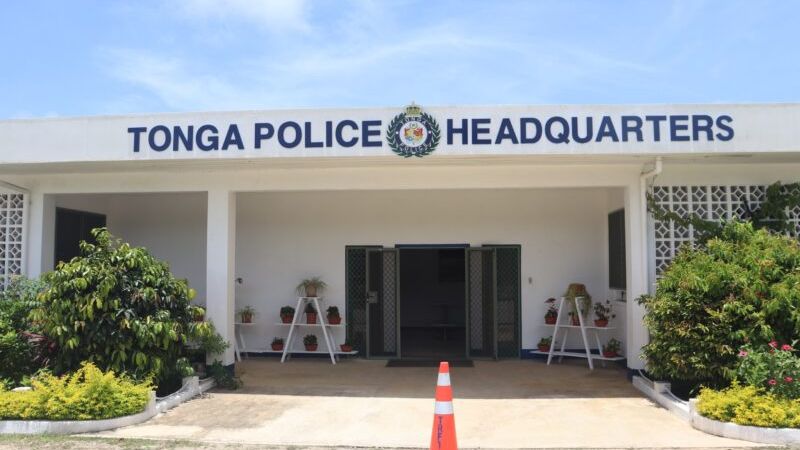
In a statement issued by the Police Commissioner, it was confirmed that Tonga Police had carried out preliminary enquiries into allegations that the Minister’s actions led to the departure of Mr Pita Hopoate, who remains subject to a court order prohibiting him from leaving the Kingdom. The Commissioner noted that several referrals, including one from the Prime Minister’s Office, had asked police to investigate the allegations. He said he had no doubt that Tonga Police were capable of conducting a fair and impartial investigation, but that in the interests of transparency and to avoid any potential conflict of interest, the case would be handed to the Anti-Corruption Commission.
That reasoning is sound on paper. The Minister cannot be seen to be investigated by the very department he oversees. Transferring the case to an independent body appears to uphold the principle of fairness and reinforces the idea that accountability must be visible as well as genuine. But that is where the clarity ends.
The Anti-Corruption Commission remains weak in practice. It has long been criticised for lacking resources and investigative powers, and for depending on police detectives to carry out its work. Earlier this year, the same Minister authorised police support for the Commission, citing its heavy workload and shortage of capacity. Now that same body has been tasked with investigating him. The irony is not lost on the public.

The timing is also significant. With the election approaching, the referral moves a sensitive matter into a slower and more confidential process. The government can now point to an “independent investigation” while ensuring no findings emerge before polling day. It is a convenient move that may protect political stability but risks eroding trust in the system. Transparency is not achieved by transferring responsibility; it depends on visible outcomes.
The Commissioner’s statement concluded by noting that investigations must remain confidential to preserve their integrity, and that no further comment would be made. While that approach may be procedurally correct, it leaves the public in the dark. The concern now is not only whether the Anti-Corruption Commission can handle the case, but whether Tonga’s institutions can function independently when political stakes are at their highest.
If the government truly wishes to show transparency, it must ensure the Commission has the authority, resources and freedom to complete this work properly. Anything less will only confirm the growing belief that accountability is conditional and justice can be delayed.
The Piukala case has become a measure of Tonga’s democratic maturity. Whether it proves a test passed or a chance missed will depend not on statements, but on what follows.