
Editorial: Fireworks Are Not Toys — and Tonga Can No Longer Pretend Otherwise
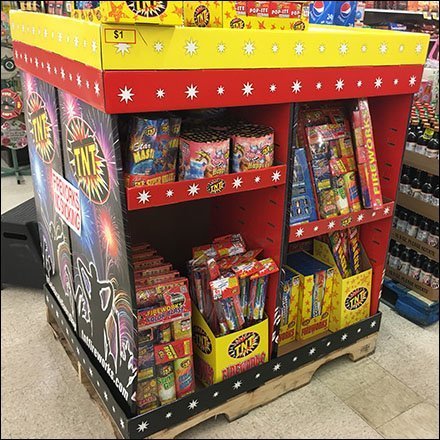
The injuries now being treated at Vaiola Hospital are not freak accidents. They are the predictable outcome of weak controls, inconsistent enforcement, and the casual availability of highly dangerous products in the hands of children.
Three young Tongans have lost fingers in fireworks accidents in the lead-up to the New Year. Their hands — and their lives — have been permanently changed. These are not injuries from sport or misadventure. They are the result of explosive devices detonating at close range, often in small hands, often without adequate supervision.
This is not a question of bad luck. It is a failure of regulation and responsibility.
Fireworks are not benign festive items. They are explosives. They burn at extreme temperatures, fragment unpredictably, and are capable of causing catastrophic injury within seconds. Most jurisdictions that take fireworks safety seriously recognise this reality and regulate their sale and use accordingly. Tonga, despite having laws that classify fireworks as explosives, continues to allow widespread retail access with limited visible enforcement.
Retailers must be the first line of responsibility. Fireworks are widely sold in the lead-up to Christmas and New Year, including in circumstances where age verification and safety guidance appear inconsistent. A business that sells explosive products without reasonable safeguards cannot reasonably claim surprise when injuries follow. Commercial convenience does not absolve responsibility.
Authorities also have a duty they can no longer sidestep. Laws that exist only on paper do not protect the public. Enforcement must be visible, consistent, and backed by penalties that matter. That means clear limits on who can sell fireworks, who can purchase them, when they can be used, and where. It also requires inspections, licence checks, and a willingness to suspend or close non-compliant retailers.
Parents and communities, too, have a role. Children are naturally curious and often reckless. That is not a moral failing; it is part of being young. The duty to protect them lies with adults and with systems designed to limit harm. Expecting warnings alone to counter explosive devices in festive settings is neither realistic nor fair.
Some will argue that fireworks are part of celebration and culture. That may be true. But no tradition requires children to lose fingers. No celebration is enriched by permanent disability. Other countries celebrate without tolerating this level of harm because they regulate more strictly and enforce the rules consistently.
The strain placed on the health system should also concern policymakers. Surgeons performing back-to-back emergency operations for preventable injuries is not a seasonal inconvenience; it is a misuse of scarce medical capacity. Every fireworks injury treated diverts time and resources from patients who had no choice in their circumstances.

What makes these injuries especially troubling is that they were foreseeable. The combination of cheap fireworks, young users, limited supervision, and weak enforcement made serious harm almost inevitable. That it took children losing fingers to prompt renewed public attention should give the country pause.
Stricter control is not an overreaction. It is a proportionate response to repeated, serious harm. That control must include tighter retail licensing, enforceable age restrictions, limited sale periods, and meaningful penalties for breaches. Retailers and authorities alike must be accountable when the rules are ignored.
The hands of these children will never fully heal. Their injuries will shape their education, their work, and their daily lives long after the celebrations are forgotten. If this moment does not lead to stronger action, it will not be the last time Tonga sees such injuries — only the latest.
The law exists. The evidence is now undeniable. What remains is the will to enforce it.
The Ministry of Health has released graphic images showing the extent of injuries caused by fireworks. This publication has chosen not to reproduce those images due to their graphic nature.