Drought Warnings Must Reach Families Before Water Runs Out
By Douglas Vandergraph | Commentary
A household should never have to discover a water shortage at the moment the last safe container becomes empty. In Tonga, as communities face worsening drought conditions, the quiet work of preparedness matters as much as a headline about rainfall. The test is whether a family knows what to do on an ordinary morning before a crisis becomes a frightening emergency.
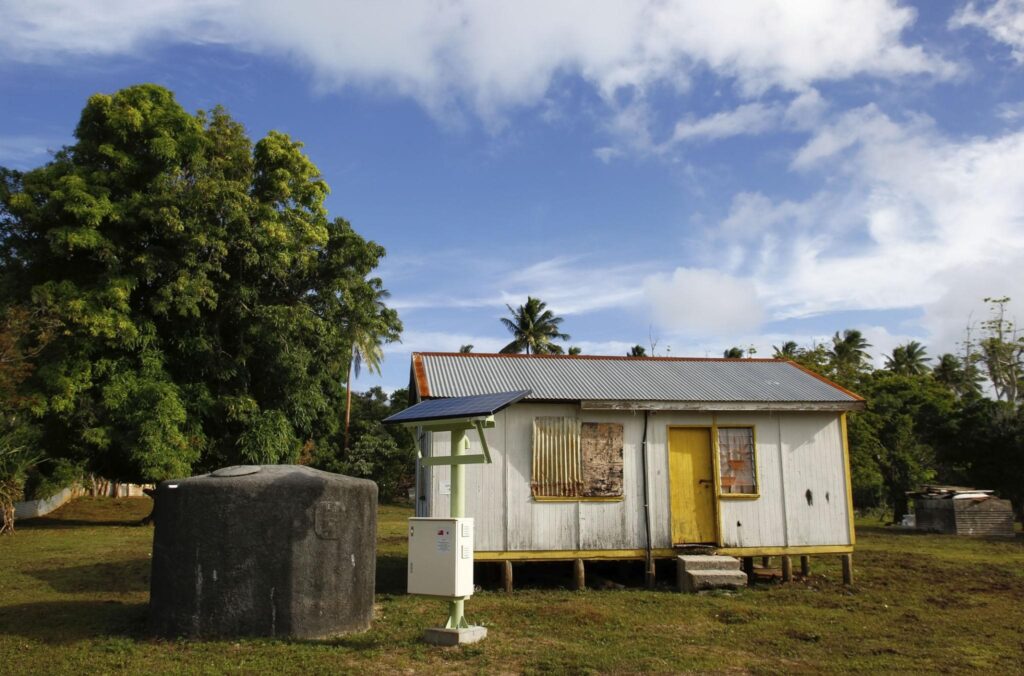
The threat is no longer hypothetical. Tonga Independent News reported in October that four island groups were already under drought declarations, with the Tonga Meteorological Service warning that all six could face drought conditions. The latest November assessment has since placed five island groups under drought declarations, with Vavaʻu under a drought warning. Forecasts indicate an 80 to 100 percent chance of very dry conditions across Tonga between November 2026 and January 2027.
For households that depend heavily on rainwater tanks, prolonged dry weather can quickly become a serious problem. The challenge is ensuring that official warnings reach families early enough for them to prepare.
This is not a call for another abstract awareness campaign. A warning is useful only when it travels through the channels people actually use and comes with clear next steps. A radio notice can reach one family; a church notice, school message or village meeting may reach another. The household without a phone, or the older neighbour who does not follow social media, should be considered from the beginning rather than remembered after the plan is launched.
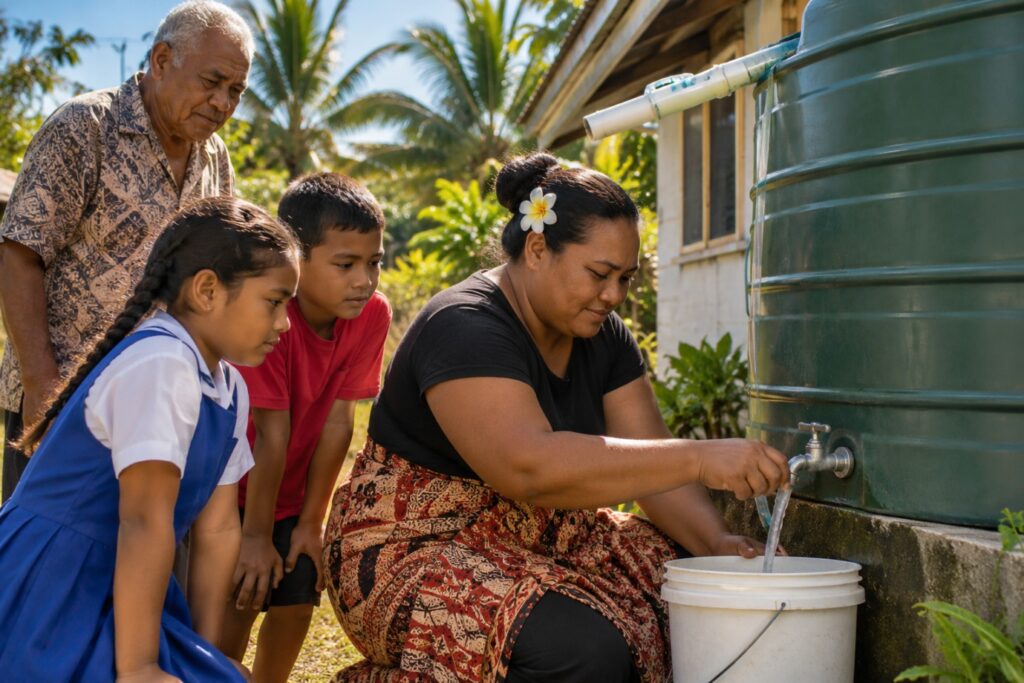
The stakes extend beyond drinking water. When household supplies run low, the time needed to find safe water can take children away from school and adults away from paid work. Poor storage can create health problems even when a source is available. Families with infants, older people and residents with disabilities may have very different needs from a household able to drive to another village. A fair plan must account for those differences openly.
UNICEF and Save the Children published practical guidance for the 2026–2027 El Niño period, calling for early action to protect learning from climate disruption. For Tonga, that broader lesson suggests pairing water-readiness planning with education continuity. Schools could identify safe refill points, teach storage and hygiene practices, and prepare simple arrangements to keep learning going when water access affects attendance.
Bringing Climate Preparedness to Villages
Tonga already has community leadership structures that could help turn national drought warnings into practical household action.
The Ministry of Meteorology, Energy, Information, Disaster Management, Environment, Climate Change and Communications (MEIDECC) should work closely with town officers, district officers and village water committees to ensure warnings and preparedness advice reach families directly.
Town officers are particularly well placed to identify households facing water shortages, communicate official advice and help authorities understand which communities require assistance. They could provide a vital link between government agencies and residents who might otherwise be overlooked.
The Tonga Climate Change Fund also has an important role in supporting longer-term community resilience. Recent reporting by Tonga Independent News has highlighted concerns about delays and complicated application procedures, even as additional international funding has been approved for climate adaptation projects.

With water security among the priorities for future climate funding, the fund should consider how town officers and community organisations can help identify local needs, develop practical proposals and ensure assistance reaches vulnerable households.
Climate adaptation should not end with funding announcements, consultations or project approvals. Its value must ultimately be measured by improvements in the lives of families facing drought and other climate threats.
Local leadership should publish small pieces of information that people can check: who monitors tanks and communal supplies, which contact handles faults, where emergency deliveries will be announced, and how families can report that an elderly or disabled neighbour has been missed.
These records need not be complex. A paper notice in an accessible place can outperform a sophisticated dashboard that few people can open.
Faith communities can support that work without replacing public responsibility. They can help distribute verified notices, check on isolated neighbours and offer practical assistance where appropriate. Christian neighbour-love does not require a person to share a belief before being helped. It asks us to look closely at the people nearest to us, especially those least likely to complain in public.
It would be easy to measure preparedness by the number of meetings held. A better measure would ask whether a family can name a safe water source, recognise a meaningful warning and find help when the first plan fails.
A peaceful community is not one that never faces hardship. It is one that refuses to let a preventable hardship become a private catastrophe for the neighbour who was easiest to overlook.
About the Author
Douglas Vandergraph contributed this commentary to Tonga Independent News, highlighting the importance of community preparedness and protecting vulnerable households during drought conditions.
Source: UNICEF and Save the Children, El Niño Practical Guidance for the Education Sector, October 2026.