Fiji Reveals Ministers’ Travel Costs as Questions Grow Over Tonga PM’s Extended Overseas Trip
17 November 2026
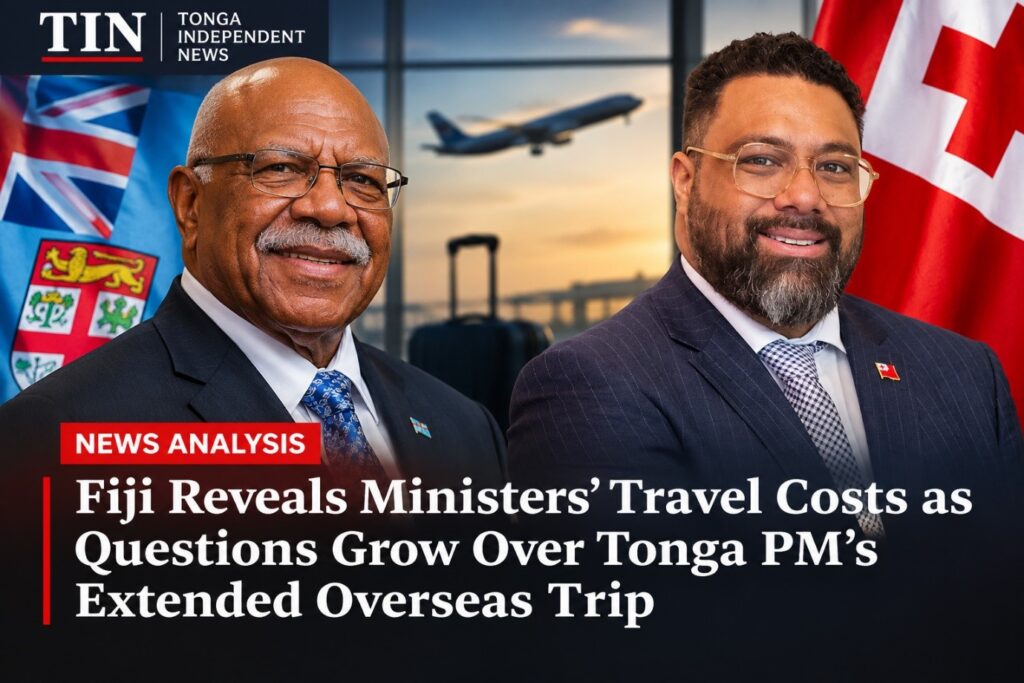
Fiji’s decision to publicly disclose the overseas travel expenses of its Prime Minister and Cabinet has brought renewed attention to government accountability in Tonga, where Prime Minister Lord Fakafanua has been overseas for nearly a month.
The Prime Minister departed Tonga on 15 October, a day after holding a press conference in Nuku’alofa. As of 17 November, 33 days have elapsed since his departure, with no confirmed return to Tonga during that period.
His extended overseas programme comes as Tongan households face increasing financial pressure, with annual inflation reaching 12.1% in September and fuel prices rising sharply in November.
Petrol now costs TOP $4.50 per litre on Tongatapu, while diesel has reached TOP $5.00, adding to transport, business and household expenses.
The situation raises questions about the cost, duration and public disclosure of overseas travel by Tonga’s political leaders, particularly at a time when the Government is under pressure to address the rising cost of living.
Fiji Opens Its Travel Accounts to Public Scrutiny
On 10 November, Fiji Prime Minister Sitiveni Rabuka publicly released a detailed breakdown of FJ$141,849.20 spent by his Government on seven official overseas visits.
The disclosure followed a parliamentary question from Opposition Leader Inia Seruiratu seeking information on overseas travel undertaken by government ministers and assistant ministers.
The parliamentary response revealed that 182 official overseas trips were undertaken between 1 May 2025 and 31 August 2026, costing the Fiji Government approximately FJ$2.62 million.
The information included destinations, purposes of travel, airfares, accommodation, allowances and expenses paid by foreign governments or sponsoring organisations.
Rabuka’s most expensive visit was to Israel and the United States, costing FJ$87,658.34, including FJ$49,891 in airfares and FJ$28,861 in accommodation.
In defending the expenditure, Rabuka argued that international engagement was necessary for a small island nation seeking to protect its economic, diplomatic and strategic interests.
However, he also acknowledged the public’s right to scrutinise government spending.
“Every dollar is taxpayers’ money, and people have every right to question how it is spent,” Rabuka said.
The disclosure does not establish whether every expense was necessary or reasonable, but it provides taxpayers with information to assess how public funds have been used.
Tonga’s Prime Minister Abroad for Much of Four Weeks
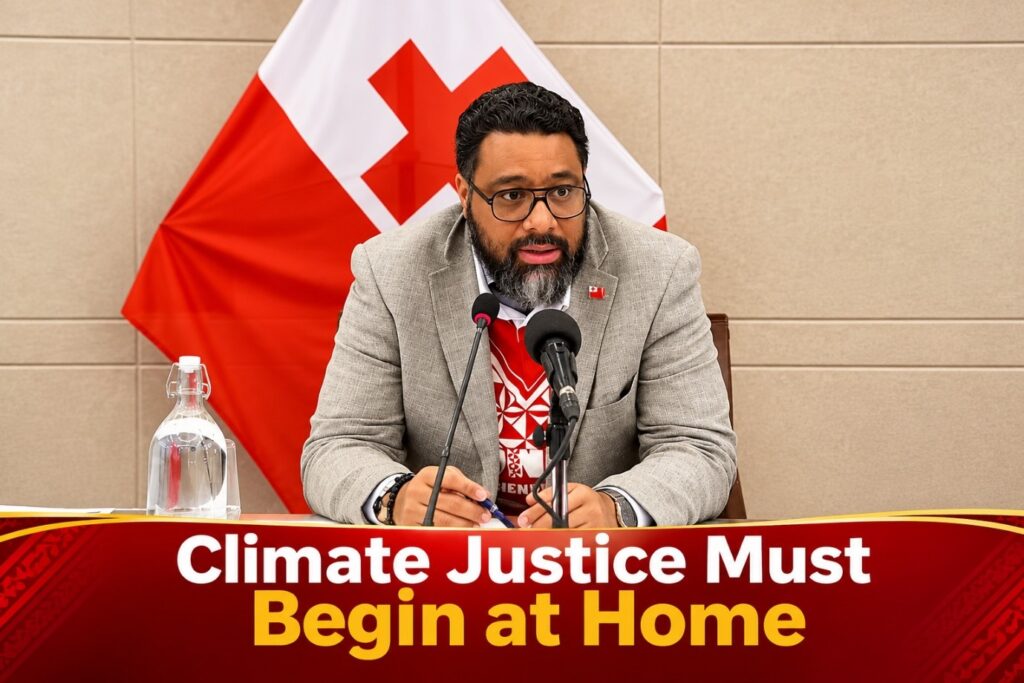
Prime Minister Lord Fakafanua’s overseas programme has included major international engagements.
He attended the Commonwealth Heads of Government Meeting in Antigua and Barbuda from 1 to 4 November, where leaders discussed economic cooperation, investment, climate resilience and other international priorities.
He is currently in Antalya, Türkiye, attending the United Nations Climate Change Conference, COP31, which runs from 9 to 20 November.
These meetings provide opportunities for Tonga to engage with international partners on issues affecting the country’s development and economic future.
However, the length of the Prime Minister’s overseas programme raises questions about the total expenditure involved, including airfares, accommodation, daily allowances and the costs of officials accompanying him.
It also raises questions about how the Government determines the duration of overseas visits and what arrangements are made to maintain ministerial oversight while the Prime Minister is abroad.
The public has not been provided with a consolidated breakdown of the costs associated with his current overseas programme.
Such information would help establish how much has been paid by the Tongan Government, whether any expenses have been covered by host governments or international organisations, and what outcomes are expected from the visits.
Rising Living Costs Put Government Spending Under Scrutiny
The debate over ministerial travel comes at a difficult time for Tonga’s economy.
Official figures from the Tonga Statistics Department show annual inflation reached 12.1% in September 2026, more than double the National Reserve Bank of Tonga’s 5% reference rate.
Fuel prices increased again on 3 November, with petrol rising by 60 seniti to TOP $4.50 per litre and diesel increasing by 45 seniti to TOP $5.00.
Higher fuel costs affect more than motorists. They place additional pressure on transportation, fishing, agriculture and businesses that depend on imported goods and freight services.
The International Monetary Fund has also warned of slowing economic growth and the risks posed by drought, high import costs and Tonga’s limited fiscal resources.
The Government has introduced electricity and transport subsidies to help households, but these measures also place demands on public finances.
Against this economic background, the cost of government administration, including overseas travel, is an area where greater public disclosure could help strengthen accountability.
Rugby League World Cup Raises Further Questions
The success of Mate Ma’a Tonga at the Rugby League World Cup has also drawn attention to overseas travel by ministers and government officials.
Ministers and senior officials have been seen attending matches and associated events in Australia, prompting questions about whether their travel, accommodation and other expenses were paid privately or from government funds.
Attendance at international sporting events is not necessarily inappropriate. Ministers may have legitimate official responsibilities involving national representation, sports development or diplomatic engagements.
However, where public funds are involved, taxpayers are entitled to know the purpose of the visit, who authorised the expenditure and how much it cost.
This includes whether business-class travel, hotel accommodation, daily allowances and expenses for accompanying officials were paid by the Government.
Without access to the relevant financial records, it would be premature to conclude that any particular trip involved inappropriate expenditure.
The absence of readily available information, however, makes independent scrutiny more difficult.

Should Tonga Follow Fiji’s Example?
Fiji’s parliamentary disclosure provides an example of how governments can account for overseas travel expenditure without preventing ministers from carrying out their international responsibilities.
A similar reporting system in Tonga could require the Prime Minister’s Office and government ministries to publish quarterly information on official overseas travel.
The reports could identify the officials travelling, destinations, purposes, duration, airfares, accommodation, allowances, sources of funding and outcomes of each visit.
Such information would allow the public to distinguish between necessary official engagements, externally funded visits and travel undertaken at taxpayers’ expense.
It would also help Parliament examine whether travel expenditure remains within approved budgets and whether the Government is obtaining value from its international engagements.
International travel is an important part of governing a small Pacific nation. Tonga depends on relationships with development partners and international institutions for assistance with climate change, economic development, trade and other national priorities.
But the need for international representation does not remove the responsibility to account for public expenditure.
Fiji’s disclosure demonstrates that these two responsibilities can coexist.
For Tonga, the immediate question is whether the Government will make comparable information available, particularly concerning the Prime Minister’s current overseas programme and travel undertaken by ministers during the Rugby League World Cup.
At a time when households are being asked to manage rising prices and higher fuel costs, greater transparency over government spending would allow taxpayers to see how their money is being used.
The issue is not simply how often ministers travel, but whether the public can establish what each trip costs, why it was necessary and what Tonga received in return.