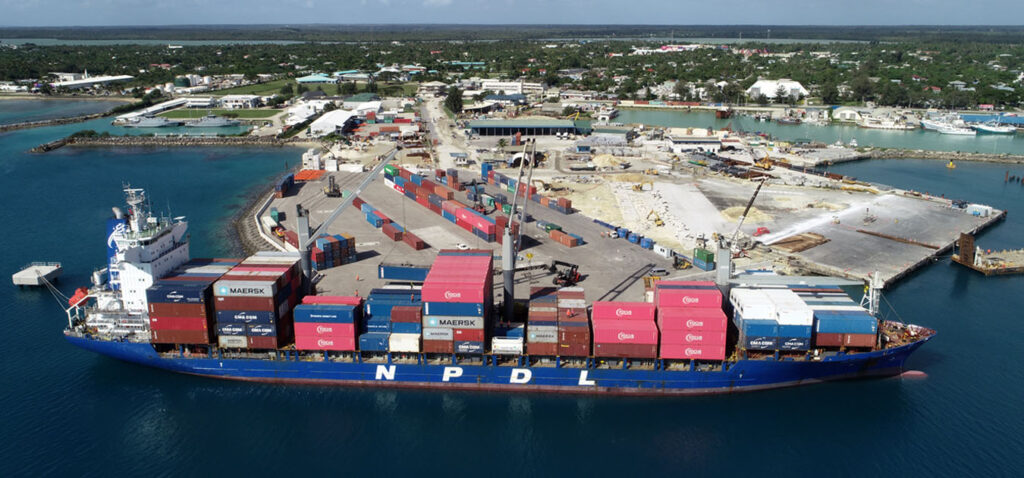
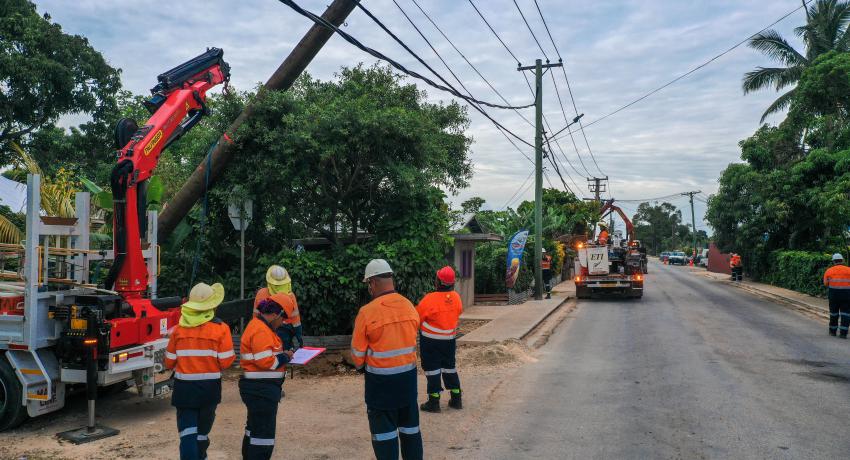
The Asian Development Bank has warned that prolonged disruption in the Middle East could keep global fuel prices elevated well into 2027, placing growing pressure on electricity costs, food prices and household budgets across Pacific nations heavily dependent on imported diesel — including Tonga.
Tuífua Vailena
Tonga is facing the prospect of higher power bills, rising food costs and mounting pressure on household budgets after the Asian Development Bank warned the global fuel crisis may last far longer than first expected.
What was initially expected to be a short-term disruption following conflict in the Middle East is now being viewed as a potentially prolonged structural shock to global energy markets, with the ADB warning that damage to energy infrastructure and ongoing shipping disruptions may keep oil and gas prices elevated well into 2027.
For Tonga, the danger is not simply higher fuel prices — it’s what those prices eventually do to everything else.
In a diesel-powered island economy, expensive fuel eventually touches almost every part of daily life — electricity, transport, shipping, food, fishing, business operations and the overall cost of living.
The ADB report says the crisis has moved beyond normal market volatility and now involves physical disruptions to global supply chains, including damaged LNG facilities, reduced oil transport capacity and sharply higher shipping and insurance costs.
Despite an April ceasefire, commercial traffic through the Strait of Hormuz — one of the world’s most important energy corridors — remains significantly below normal levels.
ADB economists now believe earlier forecasts underestimated the scale and duration of the disruption.
“Developments since early March point to a materially higher likelihood of more persistent disruptions to energy markets, with the potential for sustained supply constraints and structurally higher prices,” the report states.
The report warns that some damaged LNG infrastructure in Qatar could take between three and five years to fully repair, suggesting this may not be a temporary fuel spike but a longer-term shift in global energy conditions.
For Pacific economies, electricity is emerging as one of the greatest concerns.
Diesel prices across parts of Asia and the Pacific have already surged sharply since February, with some economies experiencing increases of more than 100 percent.
For Tonga, where electricity generation still relies heavily on imported diesel, sustained fuel inflation could eventually place significant upward pressure on power tariffs for households and businesses.
Electricity costs affect refrigeration, fisheries, internet services, retail stores, bakeries, transport operators, water systems and virtually every business sector reliant on power.

ADB warns that fertilizer prices have surged since the conflict escalated, with food prices historically following several months later as higher agricultural input costs flow through supply chains.
The Pacific is considered especially vulnerable because of its heavy dependence on imported fertilizer and imported food systems. ADB data shows Pacific economies import 100 percent of their fertilizer needs.
That leaves countries like Tonga exposed not only to rising fuel costs, but also to potentially higher local food production costs, increased shipping expenses and more expensive imported staples.
Under ADB’s updated forecast scenario, Pacific economic growth is expected to slow sharply from 4.2 percent in 2025 to 2.8 percent in 2026, while inflation could climb to 5.9 percent. Under a more severe escalation scenario, inflation across Pacific economies could reach 8.5 percent.
The report puts a sharper question to Pacific governments: how sustainable are economies built on imported diesel if high fuel prices become permanent?
ADB says many governments across the region have responded through fuel subsidies, tax cuts and price controls, but warns these measures are fiscally expensive and difficult to sustain if the crisis drags on for years rather than months.
Instead, the bank recommends targeted assistance for vulnerable households, stronger investment in renewable energy and policies aimed at improving long-term energy resilience.
For Tonga, the report may reinforce the urgency of accelerating renewable energy projects and reducing long-term dependence on imported diesel before global energy instability becomes even more entrenched.
Because if the current crisis persists, the challenge facing Tonga may no longer simply be managing another temporary fuel increase.
It may be adapting to an entirely new economic reality.