Editorial
A press conference is not a battleground. It is a forum for accountability.
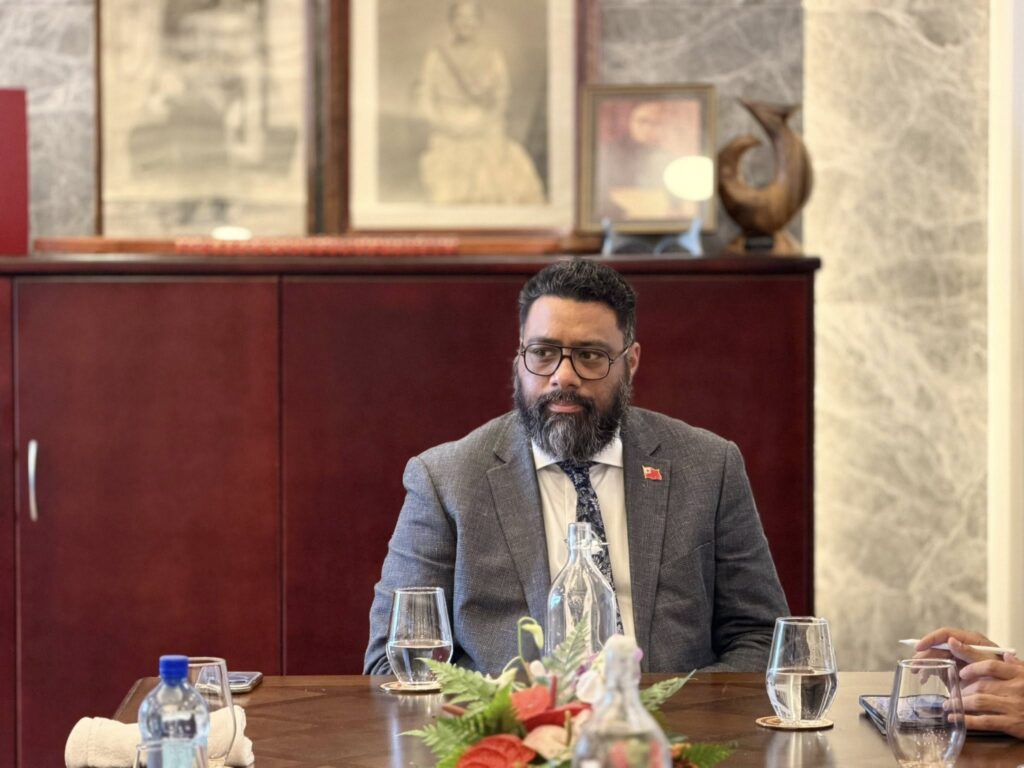
That is why Prime Minister Fakafanua’s public attack on a journalist last week, accusing him of “lying” over questions about Tonga Power’s borrowing, has struck a deeper chord than the issue itself.
The concern is not simply whether the numbers were right or wrong. It is how the highest office in the country chose to respond when challenged.
In any functioning democracy, journalists are expected to ask difficult questions. They rely on documents, sources and evidence to do so. Governments, in turn, are expected to respond with facts, not personal attacks.
There may be many reasons why the response unfolded as it did, whether it was the pressure of the moment or a breakdown in judgement under scrutiny. But the motive is not the point. What matters is the standard. Personalising a question or escalating it into an attack risks shifting the focus away from the issue itself and undermines confidence in how serious matters are handled at the highest level.
What unfolded did not meet that standard.
Since that exchange, more information has emerged which suggests the issue is more complex than it was presented in the moment. Public records and financial documents point to a distinction between reported borrowings and the level of financing secured against key assets. That distinction matters. It is precisely the kind of detail that journalists are duty-bound to examine.
This is where leadership matters most.
A Prime Minister does not need to have every figure at hand. But he does have a responsibility to ensure that when he speaks, particularly in a public forum, his words carry accuracy, fairness and proportion.

To accuse a journalist of lying is not a small matter. It goes beyond disagreement. It strikes at credibility and integrity. Such a claim should only be made with absolute certainty.
If that certainty was not there, then the response was not just excessive, it was wrong.
There is a clear path forward.
The Prime Minister should clarify the facts. If necessary, he should acknowledge that the situation was more nuanced than initially understood. And where a journalist has been unfairly singled out, a simple apology would not weaken the office, it would strengthen it.
Because credibility in leadership is not built on avoiding mistakes. It is built on recognising them, correcting them, and treating those who ask questions, even difficult ones, with the respect the role demands.
The public deserves answers. Journalists deserve respect. And the office of the Prime Minister deserves the discipline to distinguish between the two.