Drought Payout Lands But Only 16% Released
Policy delivers fast cash, but falls short of full disaster cover
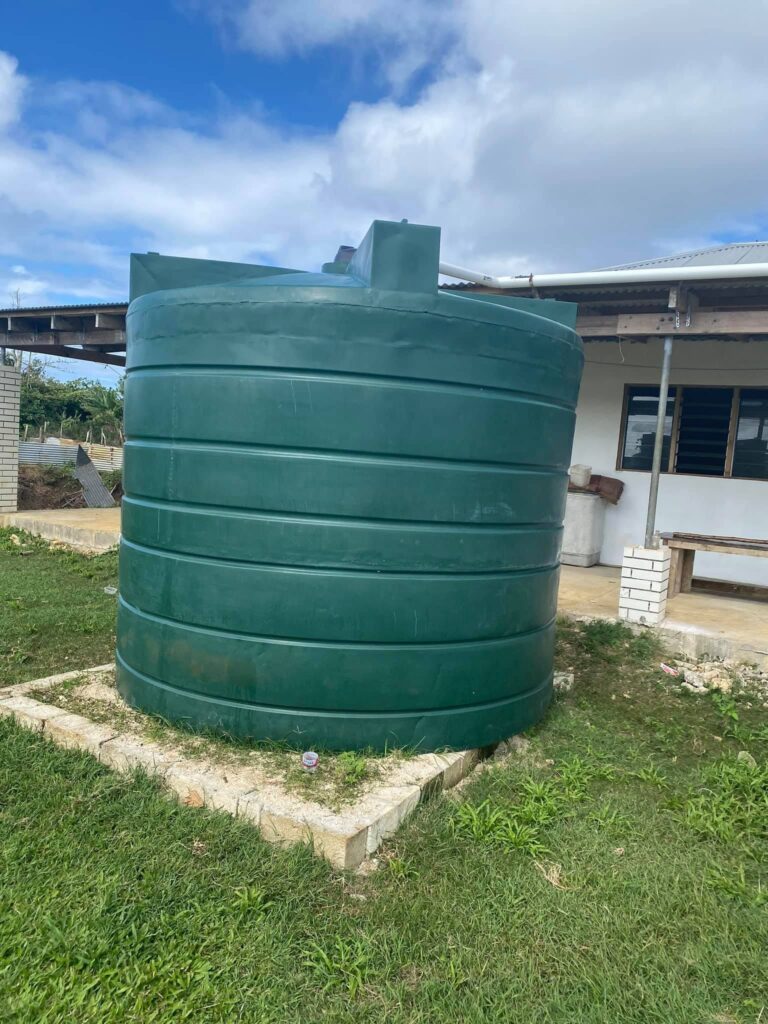
Tonga has received its first drought insurance payout, but only a fraction of the protection has been released.
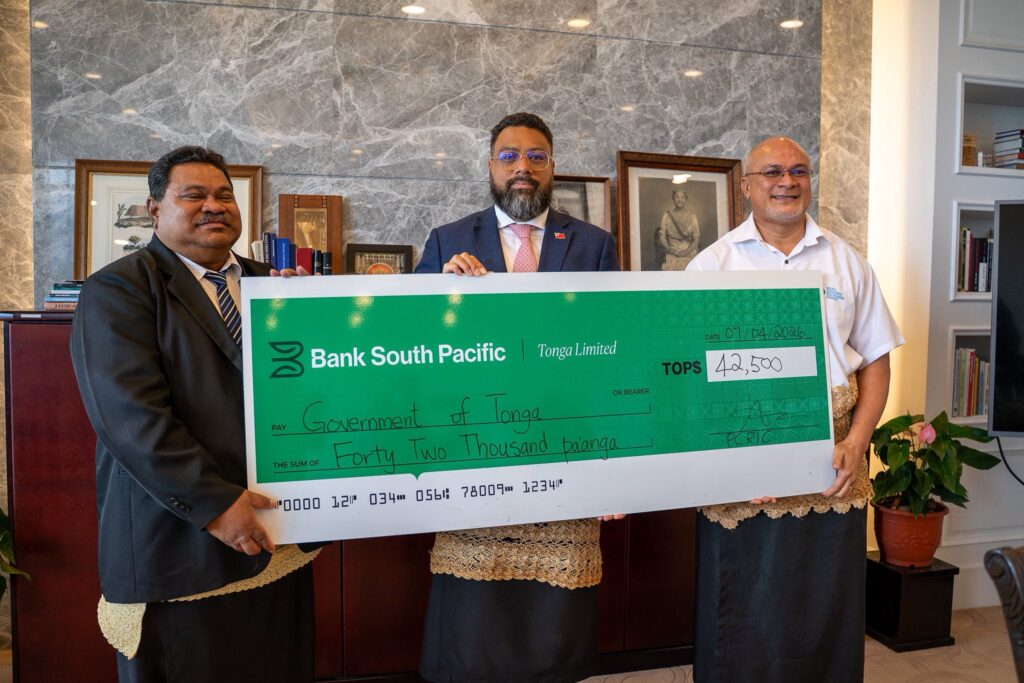
Mr ‘Aholotu Palu, CEO of the Pacific Catastrophe Risk Insurance Company (PCRIC), presented Prime Minister Lord Fakafanua with a cheque for TOP 42,500 (USD 18,480) following drought conditions in the Niua island group.
While initially described as a partial payout, clarification from Mrs Kilisitina Tuaimeiapi, CEO of the Ministry of Finance, confirms the amount represents just 16 percent of the total drought cover allocated to Niua.
That cover is capped at USD 115,500.
While this marks Tonga’s first payout under its drought insurance cover, it is not the country’s first insurance payout overall. Tonga has previously received more than TOP 20 million from cyclone events under the broader PCRIC disaster insurance scheme, highlighting both the value of the programme and the significance of this being its first real test under drought conditions.
The payment was not triggered by damage assessments on the ground, but by a pre-agreed rainfall threshold.
Under the policy, the first payout, known as the Short-term Preparedness trigger, is activated when rainfall falls into the lowest 25 percent of historical levels, based on data from 1981 to 2010.
This threshold was reached in Niua after three months of below-average rainfall.
The system is designed to release funds quickly, without the need for lengthy claims processes.
More money possible if drought worsens
The 16 percent payout is only the first stage.
Further payments will be triggered if conditions deteriorate:
• Additional funding is released if rainfall drops further
• Full payout is only reached if rainfall falls into the lowest 10 percent of historical records
In simple terms, the worse the drought becomes, the more money is released.
How much protection Tonga actually has
While Niua’s maximum drought cover is USD 115,500, the total maximum payout across Tonga under the drought policy is USD 700,140 in any given year.
However, officials acknowledge this level of cover does not fully meet all response needs.
The policy is designed to fund priority emergency actions only, rather than the full cost of recovery.

A balance between cost and coverage
PCRIC says the policy reflects a compromise between affordability and protection.
To secure coverage across multiple disaster risks, including cyclones and earthquakes, Tonga contributes around USD 1 million in premiums, supported by an additional USD 500,000 in donor funding.
Across all disaster events, Tonga has received more than TOP 20 million in payouts to date, making it one of the largest beneficiaries of the regional insurance scheme.
Once funds are paid out, PCRIC has no control over how they are used.
That responsibility sits entirely with the Tongan government.
While the insurer encourages funds to be used for immediate relief, there is no requirement for public reporting on how the money is spent.
The bigger question
The Niua payout highlights both the strength and the limitations of Tonga’s disaster insurance approach.
The system delivers fast, predictable funding when conditions deteriorate, a critical advantage during emergencies.
But it also raises a key question:
Is the level of coverage enough to meaningfully support communities facing prolonged drought?