Parliament Approves Shift from Ministry to Monarch-Led Diplomatic Services
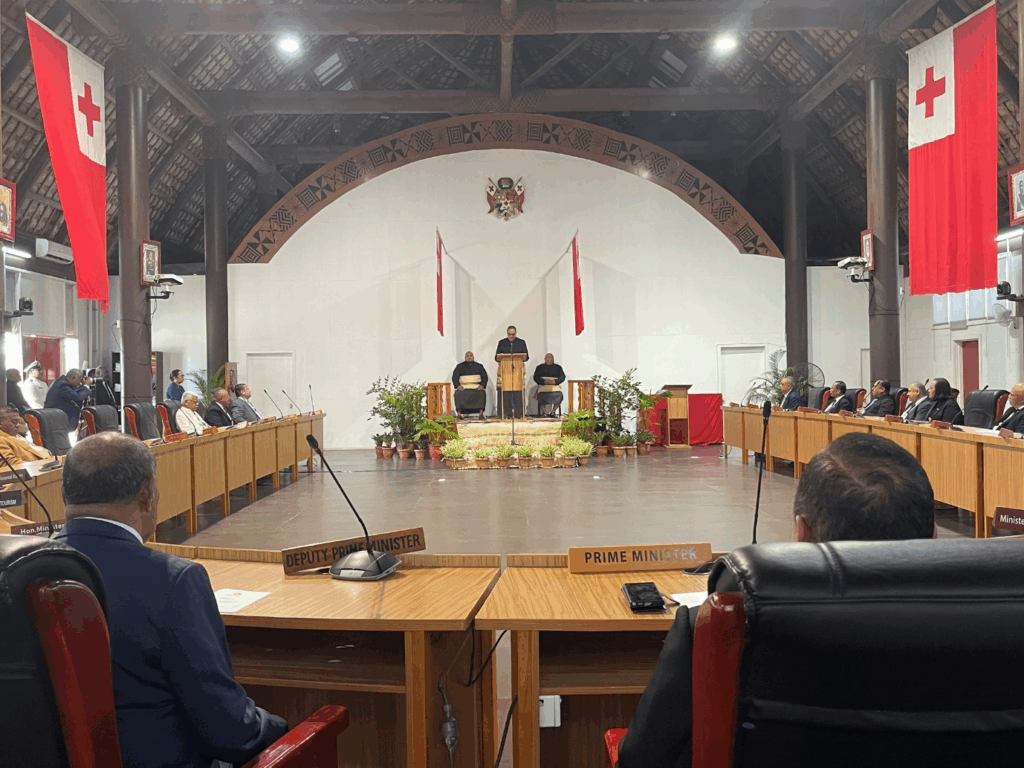
The Legislative Assembly has passed the His Majesty’s Diplomatic Services Bill 2025, formally establishing the structure, operations and responsibilities of His Majesty’s Diplomatic Services. The legislation is intended to modernise and strengthen the framework for making and implementing diplomatic and consular relations, while enhancing immigration oversight in line with national interests.
This transformative law introduces the Diplomatic Services Board, outlines administrative operations and appointing overseas representatives, and grants the new body regulatory powers. The legislation also carefully establishes transitional arrangements: the Ministry of Foreign Affairs—formerly listed in Schedule I of the Public Service Act—is officially repealed, replaced by His Majesty’s Diplomatic Services under Schedule 2. With this change, all staff, assets, records and obligations of the former ministry will transfer to the new agency upon commencement.
Previously, the Minister of Foreign Affairs, appointed by the Prime Minister, oversaw Tonga’s international representation, supported by a Permanent Secretary operating under the Public Service Commission. Immigration was treated as a separate function. The new structure brings both diplomacy and immigration under direct royal oversight, with the Diplomatic Services Board responsible for governance.

Supporters say this will enhance cohesion and prioritise efficiency. “This is about efficiency, unity of message, and protecting our borders. Our diplomatic and immigration policies will now be fully coordinated from the top,” stated a government source to Tonga Independent News. However, some MPs have raised concerns: “Removing ministerial oversight and placing so much power in one structure risks weakening parliamentary accountability in foreign affairs,” warned an opposition member.
This reform fundamentally shifts the Kingdom’s diplomatic posture, replacing the traditional ministerial model with a streamlined, monarch-directed approach that places ambassadorial and consular appointments clearly under royal authority. In a region where geopolitical dynamics are increasingly fluid, the reforms send a clear message that Tonga intends to speak with one centralised voice and that voice will come directly from the top.