Why Tonga Is Now on the U.S. Travel Ban List — and What It Means for Tongans
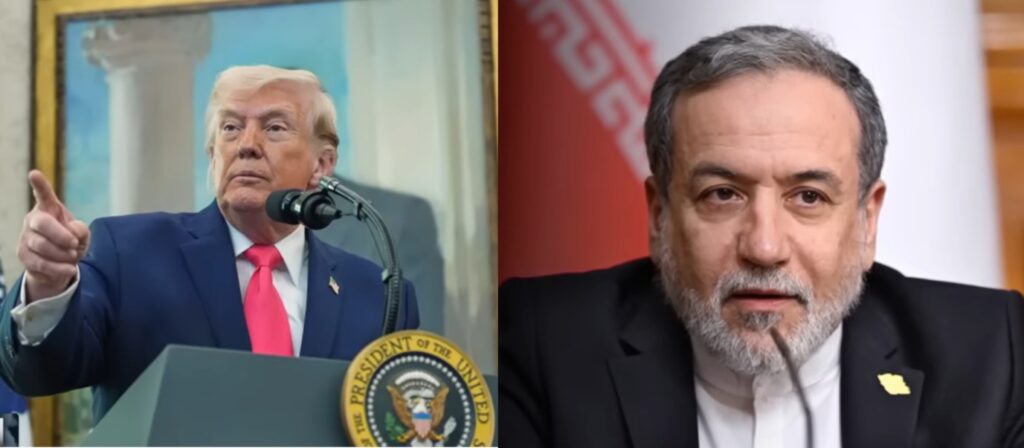
From 1 January 2026, Tonga will be included in a major expansion of United States travel restrictions announced by President Donald J. Trump’s administration on 16 December.
The decision almost doubles the number of countries affected by U.S. travel limits, increasing the list from 19 to 39. For the first time, several Pacific Island nations are included. Tonga is one of them.
For many Tongans, the change brings uncertainty. It affects travel for tourism, study, business, and family visits to the United States, a country that hosts one of Tonga’s largest overseas communities.
The U.S. government says the expanded restrictions are about national security. Officials argue that some countries do not meet required standards for document reliability, visa screening, and information-sharing with U.S. authorities. Other factors cited include visa overstay rates and cooperation in returning nationals who are ordered to leave the United States.
Washington insists the policy is not aimed at any one country, but applies the same criteria across all nations assessed.
Travel bans based on nationality are not new under President Trump. Similar restrictions were introduced during his first term between 2017 and 2021. Those measures were challenged in court but ultimately upheld by the U.S. Supreme Court.
In June 2025, the Trump administration reinstated and updated those earlier policies, initially covering 12 countries. The December decision expands that framework following further reviews by U.S. security and immigration agencies. Officials say the move reflects tougher screening standards after concerns about weaknesses in the immigration system.
Critics argue the policy goes too far. They say broad bans punish entire countries for technical or administrative shortcomings and can damage education, business, and family connections.
Under the new rules, Tonga is placed in the category of countries facing “partial restrictions.” This means that many new visas will no longer be issued to Tongan nationals who are outside the United States when the ban begins.

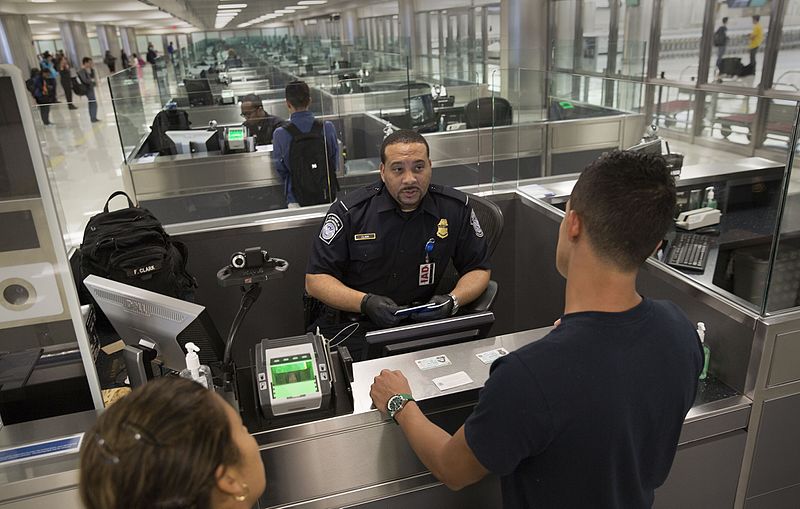
The affected visas include tourist and business visas, student visas, and exchange visas. In practical terms, this could stop Tongans from travelling to the U.S. for holidays, enrolling in new study programmes, or taking part in exchange opportunities.
The U.S. has not accused Tonga of posing a direct security threat. Instead, its decision appears to be based on technical factors used across the review process, including higher-than-average visa overstay rates, as well as concerns around documentation standards and information-sharing, rather than any crime or specific incident involving Tongan travellers.
However, not all travel is blocked.
Tongans who already hold valid U.S. visas issued before 1 January 2026 will generally still be allowed to travel, subject to normal border checks. The ban does not cancel existing visas.
Tongan citizens who are lawful permanent residents of the United States are also not affected. Dual nationals travelling on a passport from another, non-restricted country are likewise exempt. Limited exceptions may also apply for diplomats, athletes, and people whose travel is judged to be in the U.S. national interest, although such approvals are expected to be rare.
The consequences, however, could still be widely felt. Thousands of Tongans live in the United States, supporting families at home through remittances and maintaining close ties through church, education, and business. Any long-term limits on travel risk disrupting family reunions, study plans, and commercial activity.
As the new rules take effect, attention will turn to whether Tonga can meet the benchmarks set by U.S. authorities and whether the restrictions are reviewed or eased over time. More broadly, the decision highlights how global security policies made in Washington can have real and immediate effects on small Pacific nations and their people.
At a Glance: Who Can Travel — and Who Cannot
Most affected
- Tongans outside the U.S. applying for new:
- Tourist or business visas
- Student visas
- Exchange visas
- New immigrant visa applicants
Generally not affected
- Tongans with valid U.S. visas issued before 1 January 2026
- Green card holders
- Dual nationals using a non-restricted passport
- Diplomats and approved exemption cases
Tevita Ita