Uprooted and Undervalued: Are South Auckland’s Pacific Peoples Being Treated Differently?
By Melino Maka, Tonga Independent News
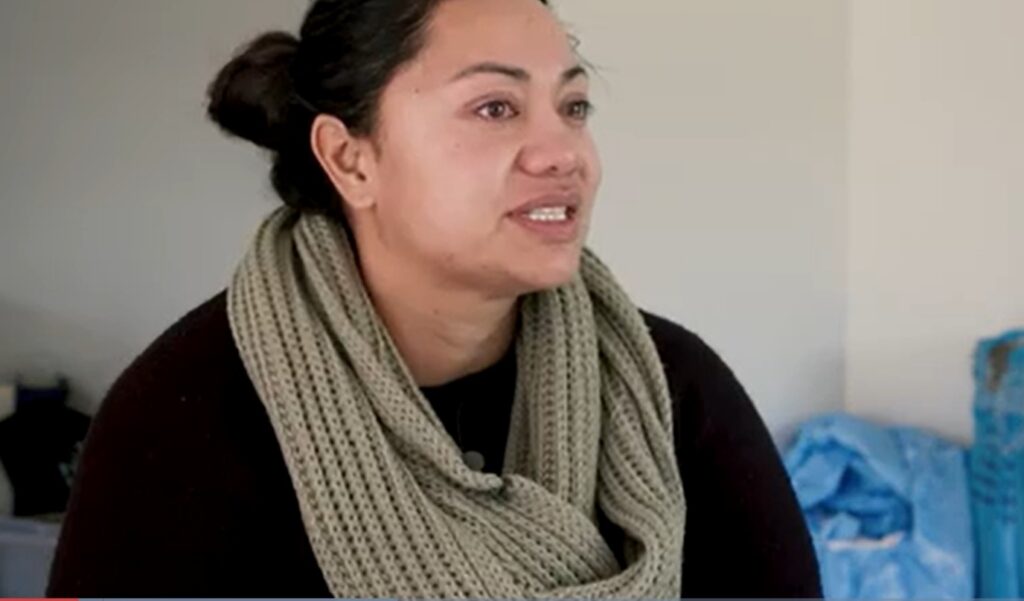
It has been more than a year since the devastating Auckland Anniversary floods, but for many families in Māngere, the aftermath still feels like an open wound. For homeowners like Toekava Fungavaka, the trauma goes beyond rising waters—it’s about rising doubts. Doubts about the system, the property valuations, the decisions being made in council boardrooms, and, most painfully, whether being Pacific Peoples has made them easier to overlook.
“We’ve done everything by the book,” said Fungavaka. “We got resource consent. We had a flood risk assessment. But now we’re told we’re in Category 3, with no choice but to leave. It feels like we’ve been cornered.”
Her family, like many others in Māngere, had poured their savings into home renovations—only to be told their homes are no longer safe or valued. Adding salt to the wound is the inconsistency in property valuations.
Fungavaka is one of many residents questioning how her home, and others like it on the street, could be valued around $400,000, while two nearby Kāinga Ora properties are appraised at nearly $980,000.
“How does that make sense?” she asked. “We’re right next door. Is it because we’re Pacific Peoples? Because we’re private homeowners, not state tenants?”
The disparity raises uncomfortable questions—not just about property values, but about fairness, equity, and whether the systems designed to serve everyone equally are in fact doing the opposite.
The Displacement No One Talks About
On Pito Place, another flood-affected street in Māngere, Daisy Taufoou and her family were given a deadline—three months to decide whether to sell to the government, and until the end of the year to sign the papers. After more than 40 years in their home, they felt backed into a corner.
“They kept saying, ‘Well, what do you want us to say?’ But it’s not about words—it’s about support, about giving us real answers,” Daisy said.
She still remembers wading through shoulder-high floodwaters, helping her elderly parents evacuate. And yet, even after the worst had passed, the sense of uncertainty and displacement lingered.
“We want to trust the process,” she said. “But it keeps letting us down. We feel displaced—not just physically, but emotionally, spiritually. This isn’t just a house. This is our community.”
Council Says They’re Helping — But Are They Listening?
According to Nick Vigar, Auckland Council’s Healthy Waters head of planning, Mangere residents have received more support than many others across the city.
“There’s capital works going into Māngere—upgraded bridges, flood resilience projects—that haven’t happened elsewhere,” he said. “Others have worse risk, and didn’t even get a buyout option.”
But do upgraded bridges and stream cleanups excuse inconsistent valuations and slow, unclear communication?
The Te Ararata Creek Flood Resilience Project, launched in April 2025, may help future-proof the area. But for families already being told to sell and leave, these improvements come too late—and raise the question: Why weren’t these protections in place before?
And what does it say that these issues are disproportionately impacting Pacific Peoples in one of the country’s most heavily Polynesian suburbs?

A Pattern of Disregard?
It’s not the first time these concerns have surfaced. During the floods, residents in South Auckland reported late evacuation notices, delayed civil defence alerts, and slow emergency response.
Many families have since had to develop their own emergency response plans—leaning on their community rather than official agencies.
“It’s triggering,” said Daisy. “We rely more on each other than the government. It shouldn’t be this way.”
So, Are They Being Treated This Way Because They’re Pacific Peoples?
This is the uncomfortable question many are now daring to ask aloud.
- Why are privately owned homes of Pacific families valued lower than nearby Kāinga Ora homes?
- Why do residents feel uninformed, unsupported, and pressured into ‘voluntary’ buyouts?
- Why, in a city as diverse as Auckland, do the hardest-hit flood zones remain overwhelmingly Pacific, working-class, and still waiting for answers?
Pacific Peoples in Māngere are not just facing a climate disaster—they are facing a structural one.
If similar floods had displaced hundreds of families in Remuera or Devonport, would the response have been the same? Would the valuations, communications, and processes have been handled with more care?
A Call for Justice, Not Just Cleanup
As the government and Auckland Council continue to decide the fate of flood-prone land, we must confront a deeper truth:
Are all communities truly being treated equally in the recovery process?
Recovery must mean more than rebuilds and roadmaps. It must include restoring trust, correcting injustices, and ensuring Pacific Peoples in South Auckland are not left behind.
Because until then, it’s hard to shake the suspicion:
If they weren’t Pacific Peoples, would they be treated this way?
Melino Maka is a political and economic commentator in New Zealand and Tonga.