Silent Surveillance: Facial Recognition Network Quietly Rolled Out in Tonga
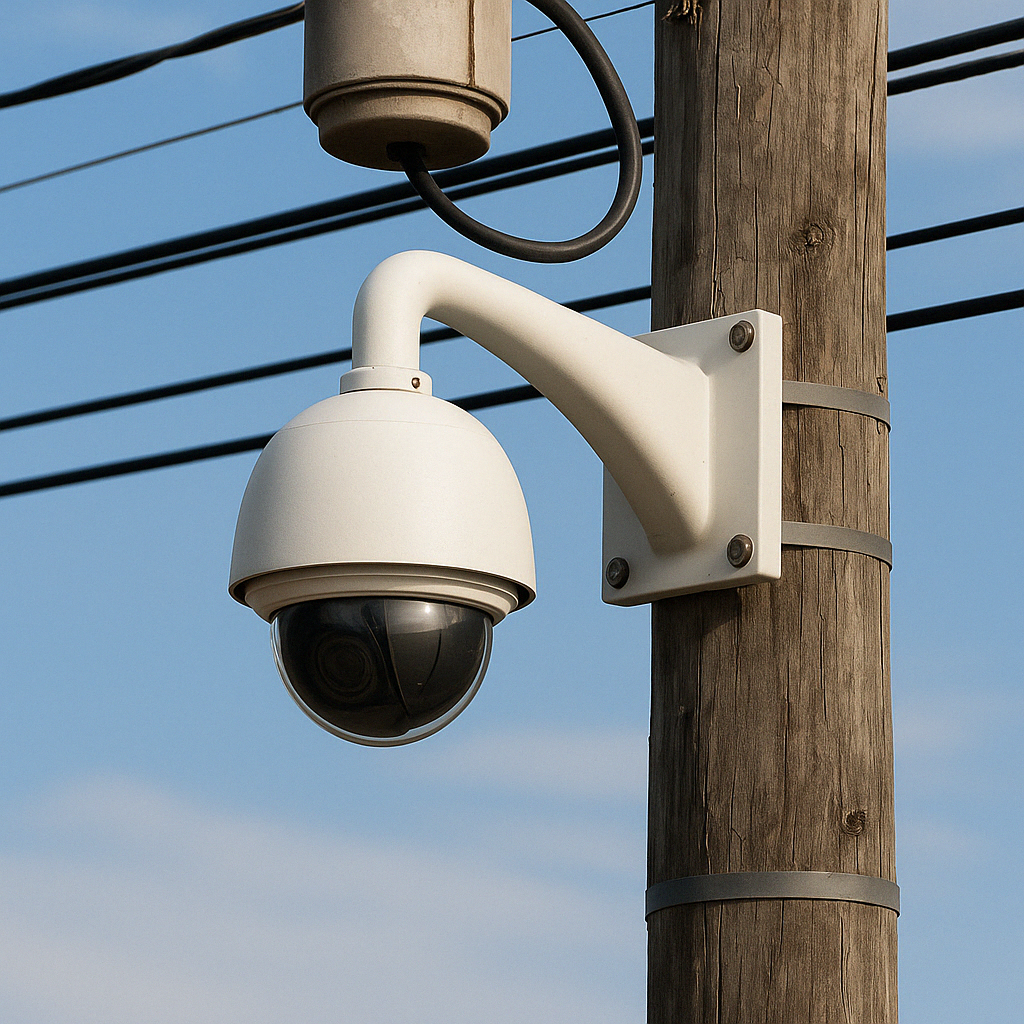
Without a public launch, government announcement, or even a formal procurement process, a sophisticated surveillance network — equipped with facial recognition capabilities — is being quietly installed across the streets of Nuku’alofa.
What’s most alarming is where this systems camera feeds were designed to go: not to a police control room, but to the fourth floor of the St George Building, where the Digital Transformation Department is based. A political office, not a law enforcement agency.
In most democracies, the rollout of facial recognition technology in public spaces prompts intense public debate. In Tonga, it has happened in near-total secrecy.
From Drug Reform to Political Control
This covert surveillance operation can be traced back to January 2024, when Prime Minister Hu’akavameiliku Siaosi Sovaleni’s government transferred oversight of Tonga’s planned surveillance system from the Illicit Drugs Reform Steering Committee (IDRSC) — a multi-agency group formed after a national drugs symposium in 2021 — to the PMO’s Digital Transformation Department.
This move effectively removed the Tonga Police — who had a representative on the IDRSC — from any involvement or oversight in the surveillance rollout.
Just weeks later, in February 2024, technicians from an overseas company arrived in Tonga to begin planning the installation of the surveillance network.
Legal Vacuum: How Tonga Compares to NZ and Australia
In neighbouring democracies, facial recognition in public spaces is a legal minefield:
New Zealand operates under the Privacy Act 2020, with agencies required to demonstrate necessity, proportionality, and safeguards before biometric technologies are approved.
Australia, following intense civil society pressure, shelved plans for a nationwide facial recognition rollout in 2023 amid legal concerns and human rights objections.
Tonga, by contrast, has no such protections. No data laws, no biometric oversight body, no judicial constraints — and no recourse for citizens who are now potentially being monitored 24/7.
Deploying such a system under political — not police — authority is almost unheard of by international standards.
Procurement Without Process, Locals Locked Out
Adding to the concern is how the surveillance system was procured: behind closed doors, without public tenders or local involvement.
Tonga Independent spoke to Harry Garrahy, a director of Praesidia Alliance, Tonga’s largest and most experienced security surveillance company. With 46 years in the industry and successful projects across five countries, Mr Garrahy confirmed he only learned of the installation work last week — when his staff noticed the cameras appearing in Nuku’alofa.
“Local businesses weren’t even given the opportunity to participate, let alone bid,” he said. “I’ve seen written comments from a government official involved in the project suggesting Tongan companies lack the necessary qualifications — a claim that’s completely unjustified.”
Mr Garrahy added that Praesidia’s team includes CISCO Certified Network Engineers, holders of Bachelor’s degrees in Network Security and Computer Science, and professionals with extensive real-world experience.
“This is a betrayal of local capability and economy. Why? What’s the cost of this system being provided by a foreign company, and how much money is leaving Tonga?”
Praesidia Alliance — a 100% Tongan-owned company — has previously delivered surveillance solutions for sensitive sites and contributes over $1.2 million in wages to the local economy annually. Despite this, they and other Tongan companies were excluded from the current rollout

The Cameras Will Soon Be Live — But Who’s Watching?
The system is currently being installed. Sources confirm that at least seven out of 48 surveillance nodes have already been activated — each supporting multiple cameras.
What’s most alarming is where the system’s camera feeds are being sent: not to a police control room, but to the fourth floor of the St George Building, where the Digital Transformation Department is based — a political office, not a law enforcement agency.
Despite the project’s size, cost, and implications, no public statements have been made by the Prime Minister or the new Minister of Police. Tonga Police have been completely sidelined.
Tonga Independent reached out to the Prime Minister’s Office and was told, “The Security Unit has now been transferred to the Ministry of Police.”
However, Mr Garrahy challenges the accuracy of that claim:
“That’s misleading information. The government’s SIU (Security Intelligence Unit) was very recently moved out to Longolongo, but it is not — and has not been — the unit running the public surveillance system. This entire project is being run by the PMO’s Digital Transformation Department. Hopefully, the new government can continue to correct this murky process.”
This breaks from global norms, where police — bound by legislation and subject to independent review — are responsible for surveillance. PMO staff, by contrast, are political appointees with no defined legal authority over surveillance systems, nor any obligation to safeguard the footage.
Questions That Demand Answers
The secrecy surrounding this surveillance system raises a host of deeply troubling concerns that demand urgent answers.
Who authorised such a significant project, and under what legal framework was it approved?
The absence of public consultation or parliamentary debate points to a disturbing disregard for democratic process and transparency.
Equally alarming is the exclusion of qualified local companies from even bidding on the project, suggesting deliberate sidelining of domestic expertise in favour of foreign interests.
Perhaps most concerning of all is the original decision to place control of this powerful surveillance system not in the hands of the police — where at least some legal and ethical standards might apply — but under a political office with no defined oversight or accountability.
With facial recognition technology now monitoring citizens in public spaces, what safeguards, if any, exist to protect their personal data and civil liberties?
In a country already grappling with economic challenges, the unchecked outflow of public money to overseas providers undermines local industry, increases dependency, and erodes economic resilience.
Towards a Surveillance State Without Rules
This is not just a procurement scandal — it’s a civil liberties crisis.
When surveillance tools are placed in the hands of political offices — without legislation, without oversight, and without public knowledge — the risks are enormous. Beyond privacy, there’s the very real potential for abuse, targeting of critics, and the quiet dismantling of democratic trust.
The cables are being installed. The cameras will soon be rolling. Tongans will be watched — and no one has publicly confirmed who will be watching the watchers.
Have information about the surveillance system or how it was procured?
Contact Tonga Independent confidentially at editor@tongaindependent.com