Opinion: Pacific Rugby Shouldn’t Be a Pawn in a Bigger Political Game
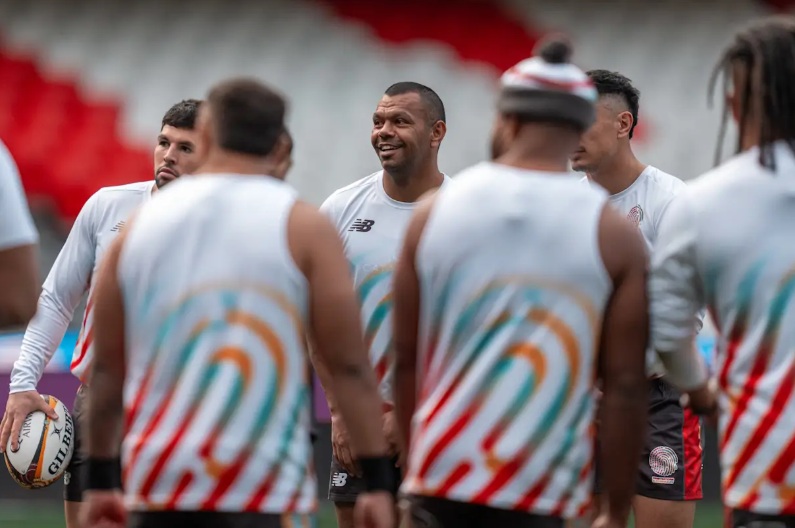
When the British and Irish Lions ran out against the First Nations Pasifika XV on Tuesday night, the attention was rightly on the players — their pride, their skill, and the symbolic weight of this historic moment. But off the field, another game was being played, one with potentially long-lasting consequences for the Pacific region.
This wasn’t just a rugby match. It was a diplomatic showpiece. A gathering of powerbrokers and strategists — from the Department of Foreign Affairs and Trade (DFAT), Pacific high commissions, and rugby unions — all under the banner of sports diplomacy. That phrase, once a feel-good term implying mutual respect and cultural exchange, now risks becoming a euphemism for soft-power politics and regional rivalry.
On the surface, the occasion celebrated Pacific and First Nations heritage and the growing visibility of their athletes. Captains Kurtley Beale and Owen Farrell led their respective sides with distinction. Rugby Australia CEO Phil Waugh called it “a powerful delegation of leaders … representing the sports, government and business sectors.” But beneath the surface, this match served as a stage for political positioning — a strategic counter to growing Chinese influence in the Pacific and a response to rising tensions over rugby league’s aggressive expansion.
In December, the NRL and the Australian government announced a $600 million plan to grow rugby league in the Pacific, with $250 million earmarked for development in Fiji, Samoa, and Tonga. It was a move welcomed by many — but not all. Rugby union officials in the region have sounded the alarm about what this investment means for their game. They fear a brain drain as players chase better-paying opportunities in rugby league, which now has deep financial backing.
In response, unions in Tonga, Samoa, and Fiji are preparing a joint proposal seeking $150 million over five years from the Australian government to support rugby union. The aim is to level the playing field — and to dissuade any further conversations with potential Chinese backers, who have shown an increasing interest in investing where others hesitate.

This isn’t just about sport. It’s about influence, alliances, and long-term leverage. The Australian government, still smarting from China’s security pact with Solomon Islands in 2022, now sees sport as a frontline in the broader strategic contest in the Pacific. That’s why any potential funding package for rugby union may be contingent on “security elements” — a condition that sounds more like geopolitical deal-making than grassroots sport development.
There is no doubt that Australia has played a pivotal role in nurturing Pacific rugby talent over the years. Many of the region’s top players have passed through Australian schools, clubs, and professional systems. But the increasing use of sport as a diplomatic tool raises uncomfortable questions: Is this about empowering Pacific nations to grow their game and communities, or is it about keeping influence away from rival powers?
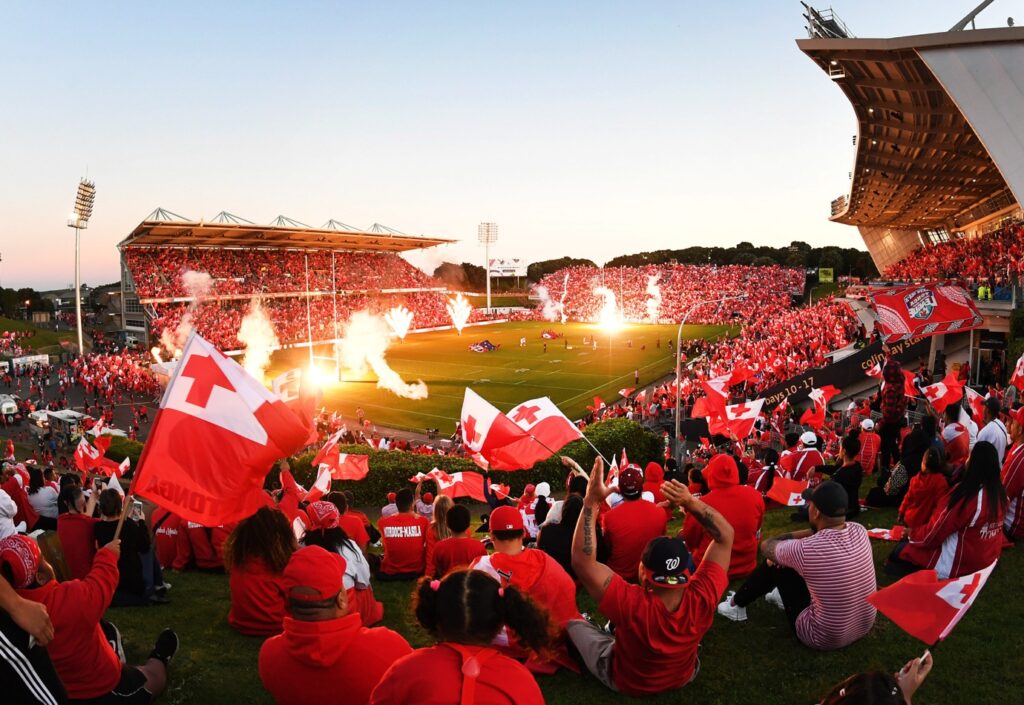
Pacific sport has always been about more than medals or trophies. It is a vehicle for identity, pride, and community cohesion. When athletes from small island nations take the field, they carry with them the hopes of entire villages and diasporas. These moments matter — they inspire, they unify, they heal. But if sport is treated primarily as a strategic asset, reduced to a bargaining chip between larger powers, then the people it is meant to uplift may end up sidelined.
This is the real risk: that amid the tug-of-war between Australia, China, and others, Pacific communities and their athletes become collateral. Funding is crucial, yes, but it must come with respect, not strings. Rugby in the Pacific need resources, infrastructure, and opportunity — not another arena for geopolitical competition.
We cannot allow sport to be weaponised for influence. Nor should Pacific governments and sporting bodies be forced to pick sides based on who can offer the most money. The goal should be to support locally led development — to allow Tonga, Samoa, and Fiji to chart their own sporting future, with partners who value people over politics.
As the dust settles from Tuesday’s match, we should remember what brought everyone together in the first place: the love of the game, the pride of culture, and the belief that sport can be a force for good. Let’s not lose that to political expediency.
Because in the end, if rugby is hijacked by power games, it won’t be the politicians or diplomats who suffer the consequences. It will be the young Pacific players, the struggling local unions, and the fans who believe in the sport’s power to change lives. And that would be the biggest loss of all.
By Melino Maka, Tonga Independent News