Opinion: How Israel Lit the Fuse, the U.S. Followed, and Iran Took the Wheel in the Latest Middle East Conflict
By Melino Maka, Tonga Independent News
The United States has once again been drawn into a volatile war in the Middle East—this time, not through direct provocation, but by aligning itself with Israel’s escalating campaign against Iran. The implications of this decision are far-reaching and potentially destabilizing, not only for the region but for the global balance of power.
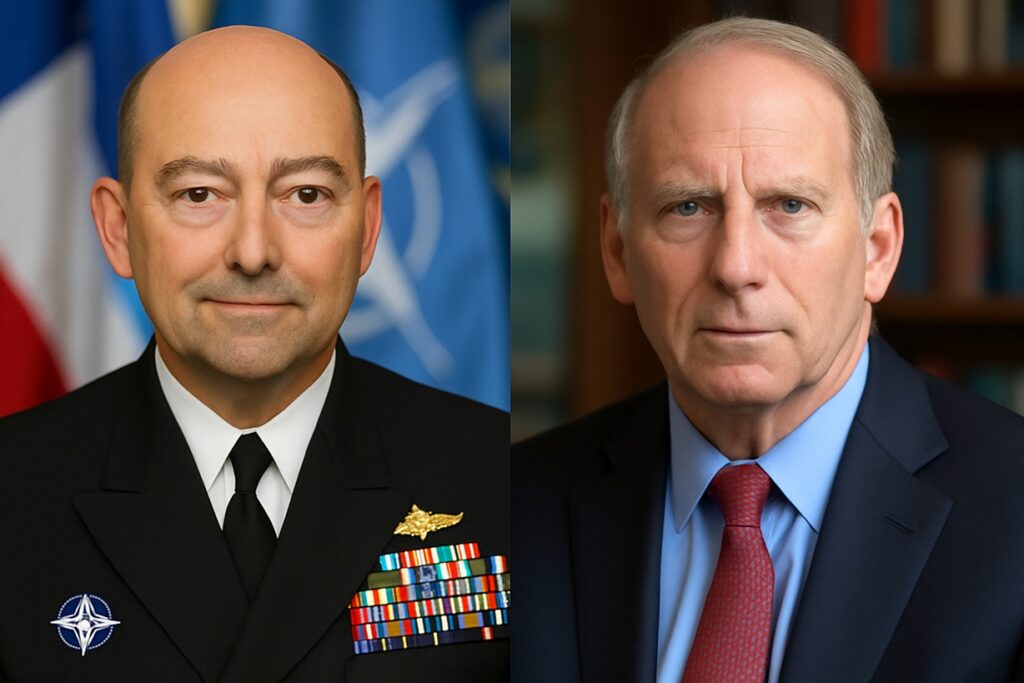
According to both Admiral James Stavridis, a former NATO Supreme Allied Commander, and Richard Haass, president emeritus of the Council on Foreign Relations, it is clear: Israel started this. The U.S. didn’t have to join when it did. And now? Iran is firmly in the driver’s seat.
Israel’s Calculated Strike: The Opening Move
For years, Israel has monitored Iran’s nuclear ambitions with growing alarm. Tel Aviv believes deterrence is no longer enough. As Haass put it, the Israeli strategy appears to have shifted from containment to confrontation: “We’re now so strong, we don’t need to put up with that. We are going to take this battle to the enemy.”
Operation Rising Lion, which involved dozens of deep-penetration strikes into Iran—including targeting nuclear sites and assassinating key Iranian commanders—was the result of this new doctrine. It was not just an act of defense; it was a declaration of offensive resolve.
With Hezbollah weakened and regional dynamics shifting, Israel saw a strategic window to strike first and decisively. The goal? Cripple Iran’s nuclear infrastructure and disrupt its regional power projection.
America’s “War of Choice”
Yet what followed raised even more troubling questions. The U.S. joined in, not in response to a direct threat, but seemingly to reinforce Israel’s position. Richard Haass labeled it “a classic war of choice.” There was no imminent threat to the United States, no ticking clock. The president, advised by hawks and cheered on by a powerful Israeli lobby, decided to make a high-stakes geopolitical gamble.
And he did so without clear justification. There was no public evidence of a sudden Iranian escalation, no movement of enriched uranium to secret sites, no conclusive intelligence that Tehran was on the brink of deploying a nuclear weapon. It wasn’t preemptive. It was discretionary—and dangerous.
Iran’s Calculated Patience and Rising Leverage
Ironically, the biggest winner of this geopolitical chess match may now be Iran.
While Israel fired the first shots and the U.S. followed with high-profile B-2 bomber strikes, Tehran has not collapsed. Instead, it has demonstrated the strategic restraint of a state actor biding its time, calculating its options.
As both Haass and Stavridis noted, Iran now gets to choose the terms of escalation. Does it retaliate lightly to avoid further U.S. intervention? Or does it go big—targeting oil terminals, closing the Strait of Hormuz, or launching asymmetric attacks across the Gulf? Tehran is no longer reacting; it is controlling the tempo.
And perhaps more importantly, this crisis may reaffirm to Iran’s leaders what North Korea already knows: if you have nuclear weapons, you don’t get bombed. The likely long-term consequence? Iran may double down on its nuclear program, believing that only a completed arsenal will prevent another strike.

Regional Power Shifts and Gulf States’ Dilemma
In Riyadh, Abu Dhabi, and Manama, nervous glances are being cast both toward Tel Aviv and Tehran. While Gulf states generally welcome Iran being “cut down to size,” they are also acutely aware that Iranian retaliation could include them. As Haass pointed out, the Gulf monarchies are uneasy participants in this unfolding conflict—cautiously pleased by U.S. strength, but anxious about the consequences.
Meanwhile, larger powers are also reacting. Russia, with oil prices climbing, watches with satisfaction. China, heavily reliant on Middle Eastern oil, is less enthused. The Europeans, notably excluded from the decision-making process, are frustrated by America’s unilateralism.
The Jacksonian Doctrine: Trump’s Strategic Shift
This conflict reveals something telling about Donald Trump’s evolving foreign policy in his second term. Gone is the isolationist rhetoric of “America First.” In its place is a hardline Jacksonian unilateralism—America acting boldly and alone, without allies, without explanation.
As Haass noted, the use of B-2 bombers originating from U.S. soil reinforced that message: “We barely need allies.” It’s a demonstration of brute power meant to intimidate—but also one that risks widening the conflict and alienating long-time partners.
Despite public claims of avoiding regime change, the tone and scale of U.S. involvement suggest otherwise. The strikes are framed as limited, targeted, and nuclear-focused—but history warns us how quickly such conflicts can spiral.
What Happens Next?
In the coming days, the world will look to Tehran. Will Iran respond with a measured, calculated retaliation to maintain the moral high ground and avoid full-scale war? Or will it unleash a broader response that could ignite a regional conflagration?
Stavridis warns that the most dangerous possibility—though unlikely—is that Iran “goes big,” targeting U.S. military bases, Western business leaders in the region, or critical global oil routes. While he leans toward a restrained Iranian reaction, he and Haass agree that the strategic cost of this strike could play out over years, not months.
And this is the crux of the matter: This war may have started with Israel, been escalated by the U.S., but it is Iran—cautiously, coldly, and perhaps wisely—who now decides what comes next.