Op-Ed: A Pacific Plan, A Global Test – But Will the World Bank and IMF Step Up?
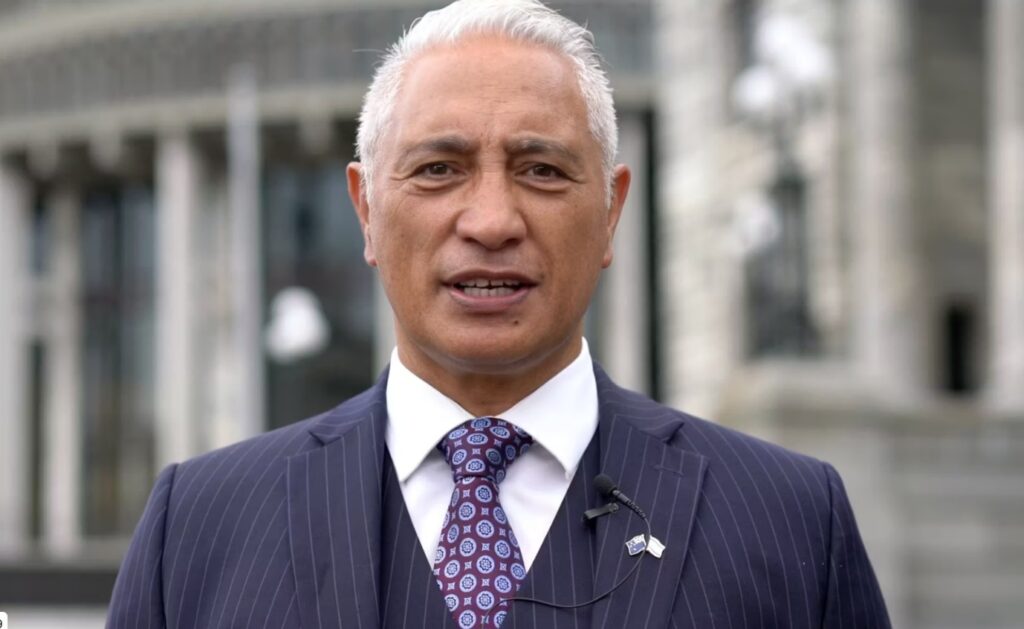
This week, two Pacific leaders — Tonga’s Prime Minister Hon. Dr ‘Aisake Valu Eke and Pacific Islands Forum Secretary General Baron Waqa — will walk into some of the world’s most powerful financial institutions with a simple message: the Pacific is ready. We have a solution, we have unity, and we have a vision. What we don’t have — yet — is the capital to make it real.
The mission is to secure major funding pledges for the Pacific Resilience Facility (PRF) — a homegrown fund designed to build climate resilience across the Pacific without plunging countries further into debt. It’s a bold ask, and one that couldn’t be more urgent. But let’s face it: this won’t be an easy sell.
As proud as we are of this Pacific-led initiative, we must acknowledge the obstacles. The global funding landscape is crowded. The World Bank and IMF are under pressure from every corner of the planet — Ukraine, Gaza, Sudan, small island states, major economies in crisis. Everyone has their hand out. And while our needs are real, the cold truth is that need doesn’t always equal priority in the eyes of global financiers.
Worse, the Pacific isn’t asking for loans — we’re asking for grants. Free money. That’s a hard pitch, even in good times. And in today’s world, with economic uncertainty and geopolitical fragmentation, it’s an even harder one. The PRF is asking the world to invest in resilience now, not after the next disaster. But as we know too well, prevention is often less headline-grabbing than response.
We also can’t ignore the reality that trust is currency, and we’re still earning it. The PRF is a new fund. Donors will — rightly — ask whether it can deliver, whether it’s transparent, and whether it will serve all Forum members equitably. That means we must be ready to show not just moral authority, but financial rigour and long-term vision.

Then there’s the political elephant in the room: geopolitics. The Pacific is increasingly seen as a battleground for influence — China on one side, the US and its allies on the other. Some may worry that contributing to a Pacific-led fund could entangle them in a geopolitical balancing act. That fear could cool wallets, even when the moral case is clear.
Finally, we have to be honest about our choice of forum. The IMF is many things — but it is not a climate fund. Its focus is macroeconomic stability. Whether it sees a regional grant mechanism like the PRF as part of its remit is debatable.
So Why Go?
Because we must. Because the world needs to see that the Pacific is not just vulnerable — we are organised, strategic, and ready to lead. The PRF is not charity. It is an investment — in human safety, in regional stability, and in climate justice. It represents exactly the kind of practical, scalable, community-rooted financing that development institutions say they want to support.
The Pacific may be small in numbers, but we are big in principle. This advocacy trip is not just a pitch — it’s a litmus test. Will the world match our ambition with action? Will our partners choose partnership, or passivity?
We hope they choose wisely. Because the PRF doesn’t just serve the Pacific — it serves as a model for what resilience financing should look like in the age of climate collapse: locally driven, debt-free, and rooted in regional solidarity.
Dr Eke and Secretary General Waqa are not just asking for money. They’re asking the world to believe in something bigger: that small islands can lead global change — if given the tools to do so.
The views expressed are those of the editorial board of Tonga Independent News.