Justice for Lata Vanisi: When Tonga’s System Failed a Widow
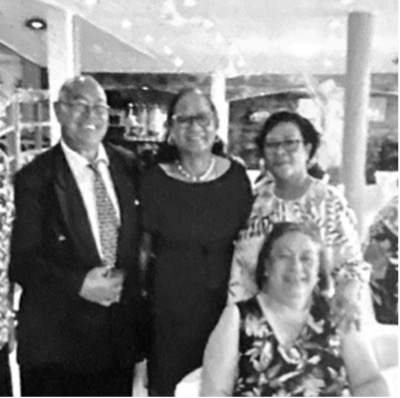
In the Supreme Court of Tonga on 22 October 2025, justice finally came for Mrs Lata Siale Vanisi. The court’s decision, though framed in legal language, tells a deeply human story — one of manipulation, institutional neglect, and a widow’s long struggle to be recognised as her late husband’s lawful spouse. The case of Puna Vanisi v. Lata Siale Vanisihas revealed not just a family conflict but a disturbing example of how official systems can be used to deny someone their basic rights.
The story began with betrayal. The late Puna Vanisi, who had returned to Tonga to work on family land and renovate the marital home, became involved in an affair. In late 2023, he filed for divorce from his wife, Lata, with whom he had built a life in Honolulu. According to those close to Mrs Vanisi, the divorce petition was not an act of separation but an attempt to conceal his infidelity. Despite this, the couple appeared together at the Ha’asini village celebrations in December 2023 — a sign that their bond had not yet been broken.
In early 2024, Mr Vanisi’s health deteriorated after missing a critical medical appointment in Honolulu. He passed away in March that year. When Mrs Vanisi travelled to Tonga upon hearing the news, she found not sympathy but resistance. Members of her husband’s family insisted the couple had divorced and began to isolate her. This false narrative was aimed at excluding her from his estate, particularly from pension benefits held in the United States.
The situation worsened at Vaiola Hospital, where a medical officer — later identified as a relative of Mr Vanisi — refused to release medical records and the official death certificate. Without those documents, Mrs Vanisi could not prove her legal status as widow or make any formal claim. Even when the Minister of Health intervened, ordering the release of the documents to Nuku’alofa, delays continued. Incredibly, Mr Vanisi’s body was removed from Tonga without proper authorisation, and the certificate eventually given to Mrs Vanisi was unofficial and invalid under international law.
When the case reached the Supreme Court, the scale of the failure became clear. Records showed that a Decree Nisi — a provisional divorce order — had been issued on 9 April 2024, after the court had been informed of Mr Vanisi’s death. This procedural error pointed to serious lapses in communication and oversight within the judicial system.

During the October hearing, Mrs Vanisi’s lawyer, William Edwards, requested that his client be allowed to attend via Audio-Visual Link (AVL) from Hawaii. The Honourable Lord Chief Justice Bishop KC granted the request, ensuring she could witness the proceedings from abroad. The court’s order went on to require Vaiola Hospital to issue the official death certificate and affirmed that “the Respondent at all material times was the wife and now lawful widow of the Petitioner.” It also set aside the Decree Nisi, declaring it null and void as a result of the petitioner’s death.
For Mrs Vanisi, this ruling marked the end of a long ordeal. With her legal status finally restored, she can now seek redress against those responsible for the harm she endured. She has indicated her intention to pursue legal action in both Tonga and the United States for emotional distress, conspiracy, and recovery of unlawfully withheld assets.
This case highlights a broader issue: the vulnerability of individuals when personal relationships and public institutions intertwine. It exposes how influence and negligence can undermine due process and how bureaucratic systems can be manipulated to deny justice. The Supreme Court’s ruling restores Mrs Vanisi’s rights, but the deeper question remains — how many others face similar battles in silence?
For now, one widow’s determination has forced accountability into the light. Her victory is both a personal vindication and a warning to those who would use power and procedure to erase another’s dignity.
Melino Maka