From Façade to Function
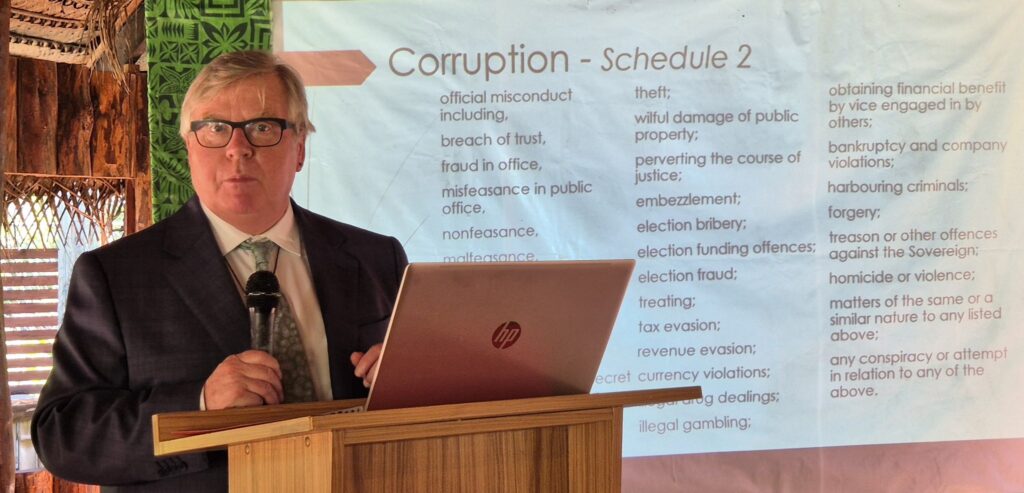
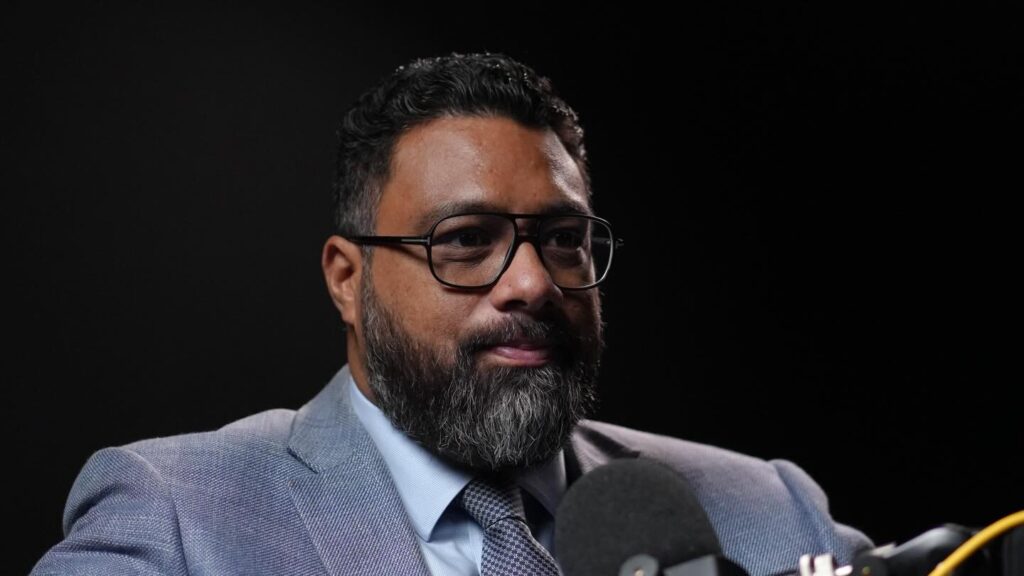
When this newspaper published “Tonga’s Anti-Corruption Commission: Built to Fail”, it struck a nerve. That piece reflected years of public frustration with a Commission that looked credible on paper but appeared hollow in practice. But after speaking directly with Commissioner Chris LaHatte, a more layered picture emerges. The ACC is far from a success story, but perhaps it’s no longer a symbol of failure either.
LaHatte, a seasoned New Zealand lawyer, has now been in post for over a year. He speaks with calm certainty. Investigations are underway. Documents have been obtained. While the Commission hasn’t needed to execute search warrants, he says that’s only because “we’ve had cooperation so far.” He firmly dismisses the idea that statutory powers require new policies before use. “You don’t need a policy to exercise a statutory power.”
That may come as a surprise to many who believed the Commission had been deliberately defanged by political forces. Not so, says LaHatte. “We have strong support from the current Prime Minister,” he tells me. “We’ve had full cooperation from the Public Service Commission. No one is holding us back.”
Yet the office remains short-staffed. LaHatte is currently recruiting four or five investigators and a small legal team. Tonga’s limited professional pool presents a challenge, so support will come from Fiji’s anti-corruption agency to help train new recruits. He admits things should have moved sooner. “We didn’t have enough money in the initial budget. No one really understood what was needed.” A supplementary budget helped, and this year’s allocation finally gives them the tools to move forward.
Still, prosecutions have not begun, and that has sparked public frustration. LaHatte understands the urgency but cautions against impatience. “We can’t just operate on rumour. There certainly are cases with ample evidence, but we must get them right. Criminal behaviour will be prosecuted.”
He asserts that the Commission is operationally independent. Staffing decisions are his alone. Structurally, the ACC reports to the King and Privy Council, not Parliament—a holdover from a less democratic era. Whether that’s a safeguard or a flaw is a conversation worth having, but LaHatte seems less concerned about structure and more focused on outcomes.

He also recognises that public trust remains low. To change that, the Commission has drafted a Whistleblower Protection Bill and will soon launch a public education campaign. “We want to talk to public servants, to schools, to anyone who’ll listen,” he says. “We want people to feel safe coming forward, but we also want them to think twice before participating in corrupt acts.”
LaHatte supports stronger transparency laws, such as an Official Information Act, similar to New Zealand’s. “It would act as a deterrent. People think twice if they know journalists could get hold of it.” He expects journalists, in particular, to make full use of such a law, which he believes would help expose nepotism and misuse of public funds.
He’s aware that the public is watching closely. “People think a complaint is enough,” he says. “But we need solid, court-ready evidence. Some stories that seem like corruption are actually civil matters. We need to be precise.”
He acknowledges that case backlogs exist, mostly because of limited legal staff. When asked if he’d consider outsourcing to private counsel to clear the bottleneck, he doesn’t rule it out. “It’s an interesting idea,” he says. “But I think our current recruitment round will resolve those issues.”
Success, for him, means two things: that Tongans trust the ACC as the right place to report wrongdoing, and that prosecutions follow when warranted. “That would be like winning the lottery for a lot of people,” I remark. He laughs. “It’s certainly what we’re aiming for.”
The ACC was once dismissed as a locked door with no key. Now, under LaHatte’s leadership, the door is ajar. There’s someone inside, turning on the lights, organising the desks, preparing the files. Whether prosecutions follow will determine if Tonga’s long-promised fight against corruption is finally ready to begin.
Tu’ifua Vailena