Crowning the Vanua: The Historic Installation of the Tui Nayau – Tui Lau, Sau ni Vanua ko Lau
Lakeba Island, Fiji – 10 July 2025
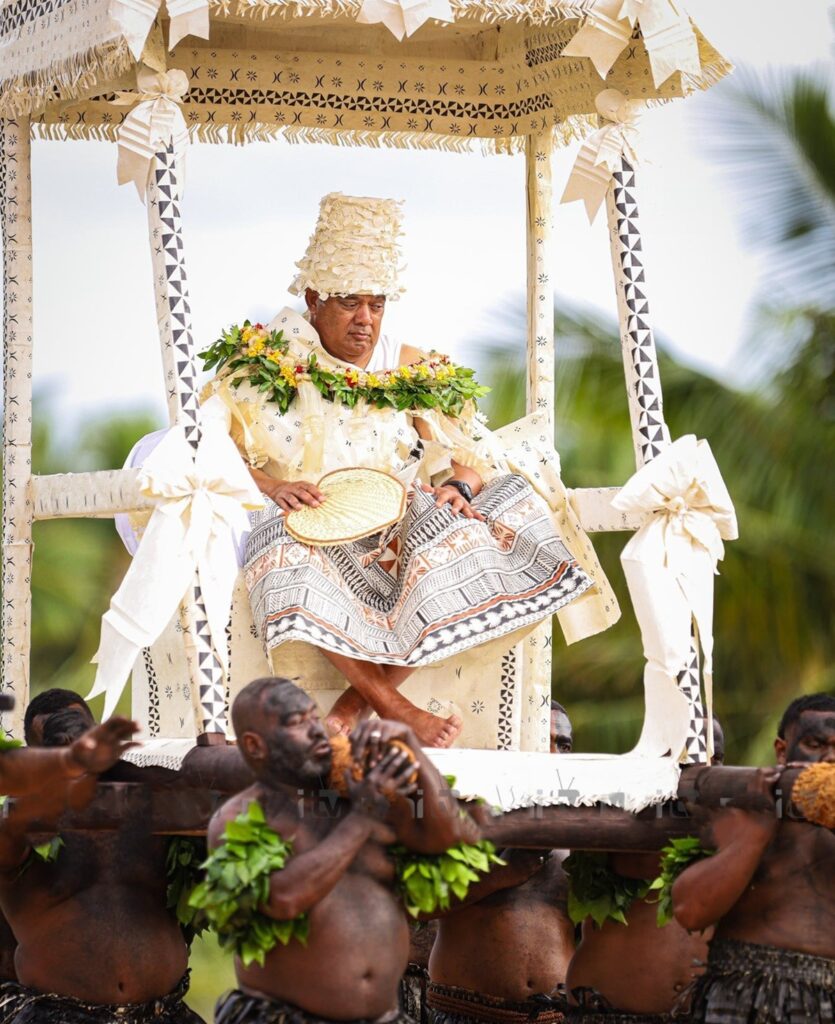
In an event steeped in ancestral significance, oceanic diplomacy, and the revival of chiefly tradition, the people of Lau, joined by Pacific royalty and dignitaries from across Oceania, will gather on the sacred shores of Lakeba for the long-awaited vakaturagataki (traditional installation) of Ratu Tevita Kapaiwai Lutunauga Uluilakeba Mara as Tui Nayau – Tui Lau, Sau ni Vanua ko Lau.
This historic ceremony — the first in over two decades — marks the reawakening of one of Fiji’s most revered chiefly titles, carrying not only the mantle of leadership for the Lau Group but also invoking a spiritual, cultural, and political legacy that reaches far beyond the islands of Fiji.
Royal Ties Across the Moana
At the forefront of international interest is the confirmed attendance of the Tongan royal family, alongside members of Tonga’s nobility, representatives of the Māori King Movement (Te Kiingitanga), and traditional leaders from across Polynesia and Melanesia. Their presence affirms the ancient maritime bonds between Lau and the Kingdom of Tonga — ties cemented through centuries of intermarriage, chiefly alliance, shared cosmology, and political interconnection.
Notably, Ratu Tevita Mara shares genealogical lineage with the Tongan royal household. He is a grandson of the late Ratu Sir Kamisese Mara, Fiji’s founding father and a former Tui Nayau, and his familial link to the late King George Tupou V of Tonga played a pivotal role in preserving his safety during a turbulent chapter in modern Fijian politics.
Exile, Return, and Redemption
Ratu Tevita’s road to Lakeba has not been without turbulence. In the aftermath of Commodore Frank Bainimarama’s military coup in 2006, Ratu Tevita — then a senior military commander — fell out with the regime. In 2011, he fled to Tonga under dramatic circumstances, rescued at sea and given refuge by his cousin, the late King George Tupou V. Tonga’s protection of Ratu Tevita was not merely a diplomatic gesture; it was a reaffirmation of shared chiefly values and kinship.
His return to Fiji, following the 2022 general elections which saw Sitiveni Rabuka re-elected as Prime Minister, paved the way for this installation. It symbolized a national shift toward reconciliation, restoration of traditional leadership, and a rebalancing of Fiji’s political and cultural order — a process culminating in the sacred vakaturagataki of 2025.
Reviving the Heart of the Vanua
The installation, scheduled for Thursday, July 10, will unfold on the chiefly village of Tubou on Lakeba Island — the spiritual and political centre of Lau. The vakaturagataki will adhere to traditional Lauan rites, involving ancestral chants, sacred offerings, kava ceremonies, and the symbolic donning of chiefly regalia. The installation reestablishes the Tui Nayau’s role as the symbolic head of all Lauans, both at home and across the diaspora.
The Vanua o Lakeba — the collective land, people, and spiritual identity of the island — has spent months preparing. Sacred fishing grounds (qoli sirovi) previously under taboo for over a decade have been ceremonially opened for harvest in recognition of the occasion’s spiritual weight. Traditional warriors, artisans, and elders have coordinated to ensure every ritual is performed with dignity, accuracy, and reverence.

Arrival of the Vanua and Pacific Delegations
Over the past week, the village of Tubou has witnessed awe-inspiring processions as delegations from all corners of the Lau archipelago arrived, each bearing traditional gifts and sacred symbols of allegiance. The beating of the lali (sacred drum) announced the arrival of high chiefs from Cicia, Moala, Kabara, and Ono-i-Lau, while dignified convoys from Vanua Balavu, Vanuabalavu, and Nayau followed in close procession.
The arrival of the Tongan royal family has been especially meaningful. As the sau ni vanua ko Lau — the “anointed one of the Lau people” — the new Tui Lau steps into a position historically influenced by both Fijian and Tongan cosmologies of leadership. The dual chiefly consciousness of the Lauans, who culturally straddle the two Polynesian kingdoms, is once again being affirmed.
A Gathering of Pacific Dignity and Ancestral Continuity
Also attending the event are the Māori Queen Dame Te Atawhai Paki, cultural envoys from Hawai‘i, Samoa, Rotuma, and Wallis & Futuna, as well as diplomatic representatives from Australia, New Zealand, and regional intergovernmental agencies.
Fijian Prime Minister Sitiveni Rabuka, whose own political leadership is anchored in Vanua tradition, will deliver a message of unity. He is joined by members of Cabinet, Opposition MPs, faith leaders, and descendants of the Vuanirewa clan — many of whom have journeyed from abroad to witness history.
The Lau Provincial Council has lauded the event as a turning point for Fiji’s traditional governance systems and called on the nation to honour and uphold the enduring strength of chiefly institutions.
A New Dawn for Lau and Fiji
As the sun rises on Lakeba this Thursday, the voice of the vanua will once again echo through the vale ni turaga (chiefly house), as Ratu Tevita Mara is installed in the sacred grounds of Katubalevu. The moment will not only mark a personal culmination for Ratu Tevita but also signify the restoration of Lau’s voice in Fiji’s sociopolitical discourse — a region often referred to as the “wisdom of the wind” in Fijian oratory.
Village elder Ratu Eroni Vuki perhaps said it best:
“Na noda vanua sa na lesu tale ena yaloyalo ni veiliutaki vakavanua – our vanua returns to the sacred shadow of chiefly leadership. It is a new tide. It is hope restored.”
As feasts are prepared, chants practiced, and drums poised to sound, the people of Lau — and the broader Pacific — prepare to honour not just a chief, but a covenant between land, lineage, and legacy.
By Melino Maka, Tonga Independent News