Commentary: Police Minister’s Travel-Ban Intervention: A Fast Guide to What Really Went Wrong
The famous phrase “So let it be written, so let it be done!”, spoken by Yul Brynner as Pharaoh Rameses of Egypt in the 1956 film, The Ten Commandments, may have some relevance in how we view the law and the orders of the court!
Especially regarding a minor incident that grew out of a petty private dispute, and has metastasised into a full-blown political and public scandal, right in the heart of this year’s general election campaign and 150th Constitution anniversary.
The controversy—a Magistrate’s travel-ban order and a Police Minister’s intervention, triggering an Anti-Corruption investigation—has almost exploded into the country’s biggest constitutional drama of the year.
But beneath the political noise, something more important happened: Tonga’s system ran into a fault line in the institutional structure that has existed for decades—and now we realise the chasm under our feet. Now we have to fix it!
And although the Police Minister tripped over the trip-wire of judicial interference, this was not a scandal created by one person. It was a crisis created by how our institutions work — and don’t work.
The First Mistake: A Defective Order
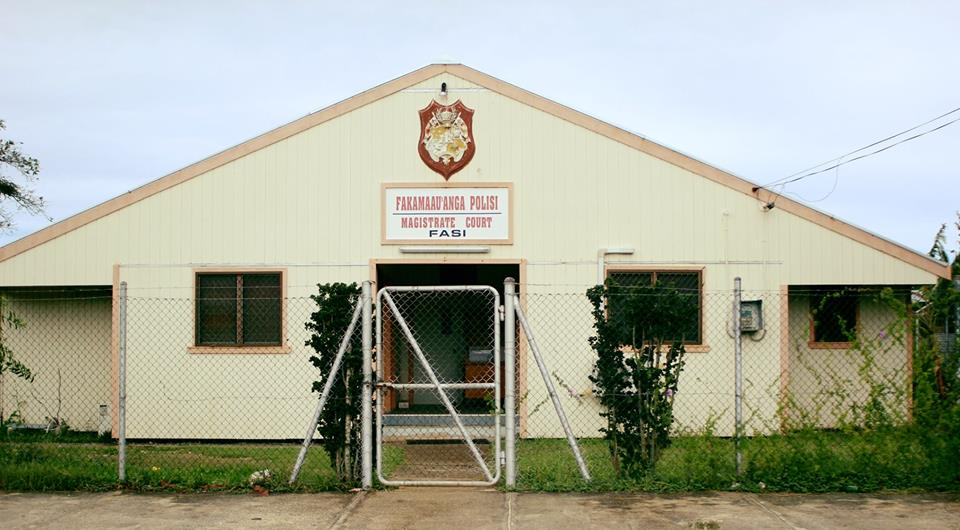
Everything began when a Magistrate issued an ex parte travel ban in a minor defamation case. This kind of order—normally reserved for serial criminals, flight risks, or national security matters—was disproportionate and constitutionally questionable.
Worse, the defendant was never notified. Everyone has the natural and constitutional right to question and answer in judicial courts any coercive decisions that would limit or jeopardise their natural and constitutional rights. But in this case, it seems the request to restrain the defendant from travel was submitted along with the defamation complaint. Seems no such opportunity was given the defendant.
It is important that people know their rights as we just celebrated the Constitution: no government authority can just decide to diminish people’s liberties, life and livelihood, and property!
In any case, this was the spark that lit the crisis.
The Minister’s Call — And the Missing Written Withdrawal
In distress, the defendant called the Police Minister. The Minister, concerned about fairness, phoned the Magistrate. The Magistrate reportedly agreed the order was defective, agreed the defendant’s constitutional rights might be unduly harmed and reportedly agreed to let travel, and only conveyed verbally to withdraw it.
Make no mistake—no Minister or executive official has any authority to vary or suspend a court order. But the Minister seemed to have first conferred with the related Magistrate, and it looks like the Minister’s confidence to pursue this with the airports and border officials stemmed from that confirmation.
However, that written withdrawal has never materialised! In writing.
This is the core problem: in Tonga — and every common-law system — court orders exist only in writing! Verbal agreements mean nothing. Without a written variation, the travel ban legally remained in force!
And likely still remains in force as there has been no regularisation.
That single failure created confusion for police, airports, Cabinet, the public, and even the Minister.
Where the Prime Minister Fits In
The PM acted correctly by stepping back and referring the matter for investigation by the Police Commissioner. The Commissioner acted appropriately by referring the matter to the Acting Corruption Commission.
But under normal constitutional practice, he should have first activated the Attorney-General to regularise the orders, before tending to politics!
No government statement as of yet shows this happened, and that misstep let the situation spiral into a public scandal and undue attention on his administration.

The Attorney-General’s Silence
The Attorney-General should have: immediately clarified the law, regularised the disputed order, ensured police and immigration knew what to do, and publicly stabilised the situation.
Instead, the AG was silent — internally and publicly. And continues to remain silent. This silence allowed confusion to mutate into a political firestorm. In constitutional terms, this was the most damaging failure.
Executive overreach and interference, intentional or accidental, based on perceived justifiable reasons or not, can be expected from time to time from politicians. But the AG cannot fall asleep on the helm. He or She is the shepherd’s guard dog—He or She needs to be vigilant to keep the flocks in line, and ensure no breaches like this eventuate. And when it does, to regularise and correct it. She should also address it publicly immediately, as public trust in the judicial system and the law is the currency upon which the entire state continues to thrive!
He or she also keeps the branches aware of each other’s relevant notices and communications, and to regularise them when they are outstanding or out of order with the Constitution.
The Risk to Taxpayers
It is prudent to assume if the defendant were unlawfully prevented from travel, he would sue the government for unlawful and unconstitutional restraint. And he could. Unlawful restraint exposes the state to expensive litigation — paid by the public!
This risk grew every day the order remained uncorrected. And still does!
A System Built on Personal Lines, Not Institutional Ones
Tonga’s problem is bigger than this case. Our system still runs on: phone calls, friendships, informal communication, and assumptions, instead of written procedures and clear boundaries.
This is not corruption. It is systemic under-institutionalisation—when people carry duties that proper processes should be carrying. In other words, the systemic lack of professionalisation. Which is a problem when big government, expansionary policies are in place. Quick hiring without proper training and experience!
How We Fix This Before Something Worse Happens Again
Luckily this issue is a dispute over a minor offence that was quickly contained on its own. Had there been situations that emanated from actual malicious corrupt intent to interfere or subvert the judiciary, then we’d be in a worse situation.
So these are five things to seal up the cracks and close the schism from widening:
1. National Travel Order Registry
A shared digital system linking courts, police, immigration, and airports.
2. Written Orders Only!
No order may be varied without written judicial instruction!
3. Attorney-General Activation Protocol
AG must intervene immediately in similar branch oversteps and conflict, especially Parliament-Executive-Judiciary!
4. Clear Airport Enforcement Procedures
Police and Immigration must enforce only written orders.
5. Parliamentary Review
A select committee should codify permanent reforms once the Anti-Corruption Commission concludes.
A Teachable Moment, Not a National Crisis
Ironically and incidentally as we celebrated our long-serving Constitution, Tonga’s institutions charged in manifesting the values in said Constitution were tested—and exposed. But they did not break. This crisis shows the urgent need to move from a personality-driven system to a more professional, procedure-driven one.
This is not about blaming individuals. It is about building a country where constitutional order does not depend on phone calls and friendships, but on clear rules, strong institutions, and written procedures. As Pharaoh Ramses declares: As it has been written, so it must be done!
If Tonga learns from this moment, our Constitution will be stronger for the next century and a half ahead.
Tevita Motulalo