
Australia’s Sweeping Defence Bill Raises Fears Over Press Freedom and Government Oversight
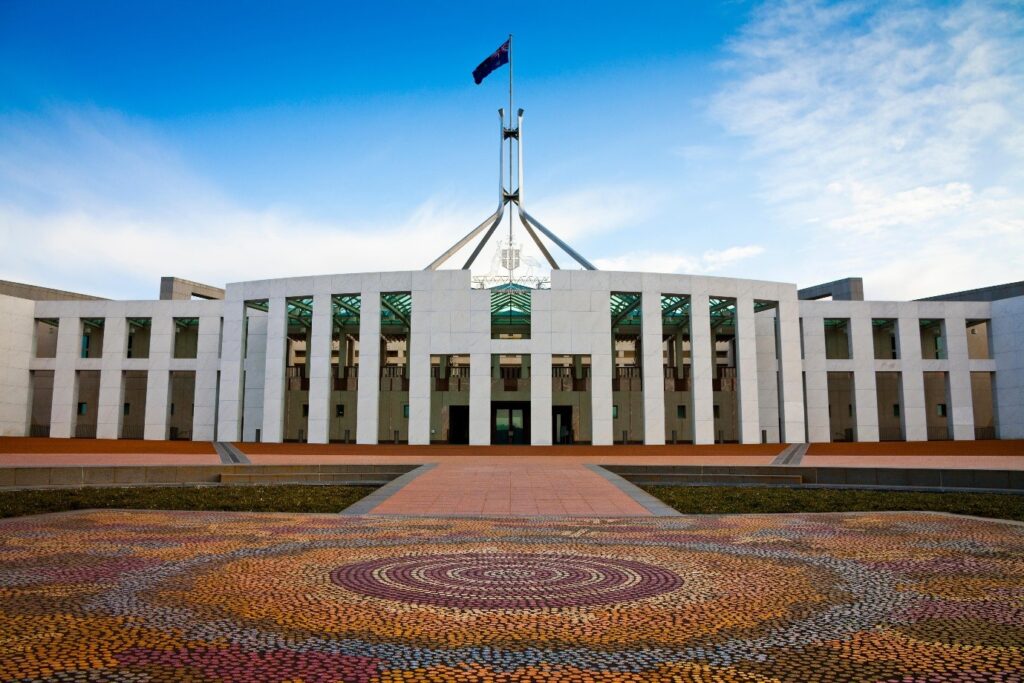
NUKUʻALOFA, 20 November 2026: Australia’s Senate
has passed sweeping legislation expanding military security powers, prompting
concerns about press freedom, government accountability and the rights of
ordinary Australians.
The legislation, introduced by the Albanese Government on 27 October,
establishes new arrangements for protecting defence facilities and accelerating
military capability projects, including activities involving international
defence partners.
However, its rapid passage through the Senate has prompted concerns
about the extent of ministerial authority, restrictions on public access to
military facilities and the safeguards available to journalists, investigators
and members of the public.
The Senate approved government amendments before passing the Bill.
Whether those amendments require further consideration by the House of
Representatives when Parliament resumes on Monday, 23 November, remains to be
confirmed.
Concerns Over Press Freedom and Public Scrutiny
According to an investigation published on Substack on 20 November by AliMcForever,
an Irish independent journalist and researcher with a substantial following on
the platform, the legislation contains provisions that could expose
individuals to criminal penalties of up to seven years’ imprisonment for
certain activities involving designated military security zones.
AliMcForever, whose work examines political power, corporate influence,
colonialism and government accountability, argues that restrictions on
photographing, recording and collecting information about sensitive defence
facilities could have significant consequences for investigative journalism.
Her investigation also raises concerns about whether the legislation
provides adequate public-interest protections for journalists reporting on
defence activities.
The investigation identifies section 71ZF of the Bill as containing
offences relating to photographs, recordings, documents and information
concerning designated special defence security zones. However, the precise
application of these provisions to journalists, including the available
exceptions and legal defences, requires examination against the final amended
legislation.
The question is whether national security should come at the expense of
the public’s right to know what its government is doing.
Australia’s Legal Profession Raises Alarm
The concerns are not confined to independent commentators.
On 19 November, the Law Council of Australia publicly criticised the
speed of the legislative process, warning that the proposed powers required
more thorough examination.
The organisation highlighted the limited consultation period, noting
that the public had effectively been given only three business days to examine
the 231-page Bill.
It also expressed concern that defence security zones could extend
beyond traditional military installations to privately owned facilities.
According to the Law Council, the proposed framework gives senior
defence authorities considerable powers to expand security arrangements through
administrative declarations.
The organisation warned that the legislation could extend certain
defence security responsibilities to personnel outside the Australian Defence
Force, including industry partners and members of foreign military forces.
The Law Council’s warning is significant because it comes from
Australia’s peak legal professional body, not simply opponents of the
legislation.
Questions Over Independent Oversight
Another concern raised in AliMcForever’s investigation involves the
potential effect of designated defence security zones on independent oversight.
She claims the legislation could restrict the ability of Australia’s
National Anti-Corruption Commission, Ombudsman and freedom-of-information
authorities to investigate activities within certain defence facilities without
ministerial permission.
Her investigation identifies proposed amendments to the National
Anti-Corruption Commission Act 2022, Ombudsman Act 1976 and Freedom of
Information Act 1982 as the basis for these concerns. The extent to which those
amendments would restrict investigations, and whether alternative oversight
arrangements would remain available, requires confirmation against the amended
Bill.
However, the precise legal effect of these provisions, including any
existing safeguards and alternative investigative powers, requires further
verification.
The Australian Government maintains that its proposed Defence Capability
Framework includes statutory safeguards, ministerial direction and independent
oversight.
The Department of Defence also states that the framework does not create
a general exemption from Australian law or remove environmental, heritage and
native title protections.
What matters now is what the legislation actually allows, rather than
what either side says it will do.
Political Support Across Party Lines
The Bill’s passage through the Senate also demonstrated substantial
support for the Government’s defence policy across party lines.
Labor and Coalition senators supported the legislation, while the Greens
and several independent senators opposed aspects of the proposed framework.
Senator David Pocock sought further parliamentary examination, but the
Senate rejected the proposed referral.
The Government’s amendments were subsequently approved, allowing the
Bill to pass its remaining Senate stages.
For critics, the process raises questions about whether legislation
involving substantial security powers received sufficient parliamentary
scrutiny.
Supporters,
however, argue that Australia’s defence laws must be updated to address
emerging threats, including drones, and support increasingly complex military
technology and infrastructure.

Implications for the Pacific
Although the legislation concerns Australia’s domestic defence
arrangements, its wider implications deserve attention across the Pacific.
Australia is a major security partner for several Pacific nations and is
expanding its military cooperation with the United States and other
international partners.
The AUKUS agreement, which includes plans for nuclear-powered submarines
operating from Australian facilities, forms part of this changing regional
security environment.
AliMcForever’s investigation places the legislation within this broader
strategic relationship, arguing that expanded foreign military cooperation
could reduce Australia’s independent control over certain defence activities.
That conclusion remains her interpretation rather than an established
legal finding.
Nevertheless, the debate raises questions relevant to Pacific
governments negotiating defence and security arrangements with larger
international partners.
These include how foreign military activities are regulated, what
information remains available to the public and whether independent
institutions retain sufficient authority to investigate potential wrongdoing.
For Pacific nations, including Tonga, the debate is worth watching. If
Australia is prepared to expand military powers at home, what safeguards should
smaller countries insist upon when negotiating security arrangements with
larger partners?
Further Parliamentary Consideration
The Australian House of Representatives is scheduled to resume sitting
on Monday, 23 November, following the Senate’s passage of the Defence
Legislation Amendment (Accelerating Capability and Protecting Bases) Bill 2026.
The Senate approved government amendments on Thursday, 19 November,
raising the prospect of further consideration by the lower house before the
legislation can receive Royal Assent.
The precise nature of the amendments and their effect on the Bill’s
proposed security powers remain to be established.
Meanwhile, the Law Council of Australia has called for greater scrutiny
of the legislation, warning that its implications for civil liberties and the
rule of law require careful consideration.
The Australian Government maintains that the reforms are necessary to
modernise defence security arrangements and protect military capabilities
against emerging threats.
Security Powers and Democratic Accountability
The Australian Government argues that the reforms are necessary to
strengthen national defence capabilities and protect sensitive facilities
against emerging threats.
Those objectives are not inherently inconsistent with democratic
accountability.
The central question is whether the powers being introduced are
proportionate, clearly defined and subject to effective independent scrutiny.
The Law Council’s warning illustrates why the legislative process
matters as much as the stated objectives of the reforms.
When substantial new government powers are introduced, adequate
parliamentary examination, public consultation and clear legal safeguards
become particularly important.
With the Senate having approved the legislation and government
amendments on 19 November, attention now turns to the remaining parliamentary
process and the final wording of the law.
National security matters. So does the public’s right to question those
exercising power. The challenge for Australia, and for governments across the
Pacific, is ensuring that protecting one does not come at the expense of the
other.
Sources: Australian parliamentary proceedings, 19 November 2026; Law
Council of Australia statement, 19 November 2026; Australian Department of
Defence, Defence Capability Framework; AliMcForever, Substack investigation, 20
November 2026.