Paʻanga slips against AUD and NZD as global markets remain volatile
Global market instability linked to the war in the Middle East is beginning to affect currency movements, with the Tongan paʻanga losing ground against the Australian and New Zealand dollars in recent weeks.
Since the beginning of the year, the paʻanga has declined by roughly five to six percent against the Australian dollar, reflecting broader movements in global currency markets.
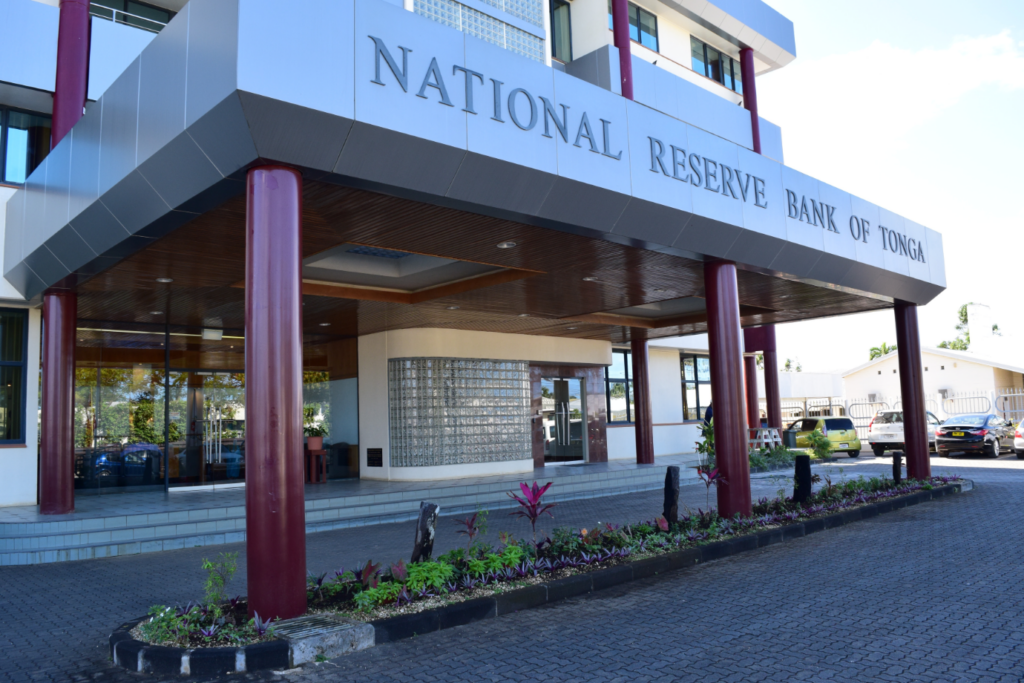
However, the Governor of the National Reserve Bank of Tonga says the movement is consistent with Tonga’s exchange rate system and does not necessarily signal broader weakness in the paʻanga.
The paʻanga is not a freely floating currency. Instead, it is managed under a basket peg regime, where its value is tied to a group of Tonga’s main trading partner currencies. These include the United States dollar, Australian dollar, New Zealand dollar and the Fijian dollar.
The system is designed to reduce exchange rate volatility and help control imported inflation in a small, import-dependent economy like Tonga.
Responding to questions from the Tonga Independent, the Governor said recent movements should be viewed in the context of the basket system.
“Movements of the paʻanga against the AUD and the NZD are consistent with the NRBT basket peg regime,” he said.
“Whilst the paʻanga weakened against the two currencies, mostly the AUD, it has strengthened against the U.S. dollar, the currency in which most of our external payments are settled.”
That distinction is important because many of Tonga’s essential imports — including fuel, shipping costs and some food supplies — are priced in U.S. dollars. A stronger paʻanga against the U.S. dollar can therefore help soften the impact of rising global prices.
Tonga imports most of its fuel, food and manufactured goods, making the exchange rate a key factor influencing domestic prices.
The Reserve Bank has also recently reviewed the weighting of the currencies used in the basket as global uncertainty increases.

“In light of the Middle East conflict, our review of the basket weights prioritised price stability, minimising the impact of imported inflation, and exchange rate stability while maintaining adequate levels of foreign reserves,” the Governor said.
For consumers and businesses in Tonga, the impact of currency movements can be mixed.
A weaker paʻanga against currencies such as the Australian and New Zealand dollars can make imports from those countries more expensive. At the same time, it can benefit some sectors of the economy.
A relatively weaker paʻanga can support exporters and tourism operators, as foreign visitors and buyers effectively get more value for their money.
The Reserve Bank says maintaining price stability remains its central objective. According to its latest monetary policy information, the bank uses a combination of exchange rate management, interest rate policy and liquidity controls to influence inflation and maintain financial stability.
For Tonga, the currency movements mean imports from Australia and New Zealand may become more expensive, while goods priced in U.S. dollars could be slightly cheaper, although rising fuel and shipping costs may still place upward pressure on prices across the economy.