The Silence That Sinks Islands: When Civil Society Fails Its Ultimate Test
By Melino Maka
Across the Pacific, a powerful narrative has emerged — one of collective stewardship, shared responsibility, and a “Blue Pacific Continent” committed to protecting the world’s largest ocean. Regional civil society networks have played a visible role in promoting this vision internationally, including through engagement in global ocean governance initiatives such as the High Seas Treaty.
At the national level, recent developments in Tonga have prompted renewed discussion about how effectively this vision is reflected in domestic civic engagement and public accountability.
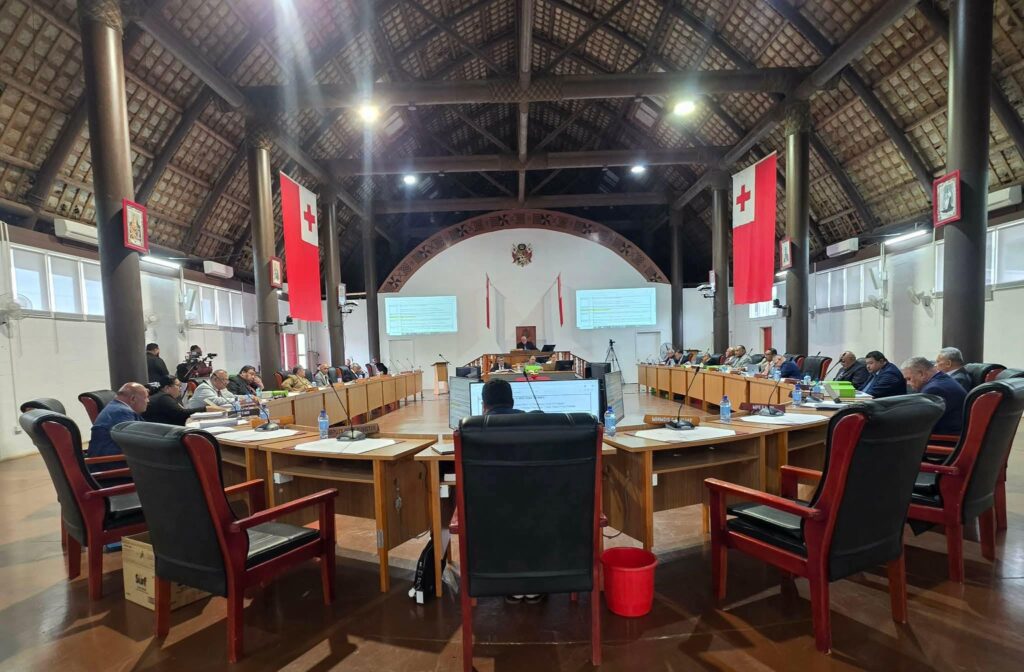
The decision by the Tongan Parliament to grant a deep-sea mining licence to an international mining company has raised concerns among environmental observers and community advocates, particularly regarding transparency and long-term environmental risk. Publicly available information indicates that the agreement includes provisions that limit the company’s liability for potential future impacts — a matter of significant public interest in an island nation whose economy, food security, and cultural identity are closely tied to the ocean.
As of the time of writing, there has been no public statement from Tonga’s main civil society umbrella body addressing the licence or calling for the public release of the agreement’s full terms. The absence of publicly available commentary has led to questions about the role, capacity, and operating environment of national civil society organisations when major environmental and economic decisions are made.
The situation also highlights broader structural challenges faced by civil society in small island states. These include political sensitivity around major development projects, reliance on external funding, and the close social and institutional relationships that can make public advocacy complex and, at times, constrained.
Several substantive questions remain unanswered in the public domain. It is not clear whether independent environmental, economic, or social impact assessments were conducted on the potential effects of deep-sea mining on whale migration routes, tuna stocks, tourism, and coastal livelihoods, or whether any such assessments were made available for public review prior to parliamentary approval. The lack of accessible information has prompted calls from some quarters for greater transparency and more inclusive consultation processes.
The situation in Tonga has also sparked reflection among international donors and development partners that support civil society capacity-building across the Pacific. While funding for institutional development, training, and governance initiatives remains important, there is increasing recognition that effectiveness should ultimately be assessed by an organisation’s ability to engage constructively and visibly on decisions of national significance.

There is growing regional discussion about how donor frameworks might better support civil society independence. Proposed measures include ensuring access to shared pools of legal, scientific, and technical expertise when complex commercial agreements are under consideration, and strengthening safeguards that protect civic space when organisations engage on politically sensitive issues.
In the context of deep-sea mining, such support is particularly relevant. Mining contracts are technically complex, the environmental risks are long-term, and the potential consequences extend across national boundaries and generations. Without access to independent expertise, meaningful public engagement becomes difficult.
The deep-sea mining agreement approved in Tonga has therefore become a focal point for wider regional conversations about transparency, public participation, and the responsibilities of both governments and civil society institutions. For many observers, it underscores the importance of ensuring that global advocacy on ocean protection is matched by robust, context-sensitive engagement at the national level.
Pacific civil society continues to be recognised internationally for its leadership on climate and ocean issues. Sustaining that credibility, commentators suggest, depends on maintaining strong links between regional advocacy and community-level engagement, particularly when decisions with long-term environmental and social implications are at stake.
For communities, the value of civil society lies not in organisational presence alone, but in access to information, informed debate, and confidence that key questions are being raised — about risk, accountability, and the protection of future generations. As Pacific island nations navigate increasing environmental and economic pressures, these questions remain central to building trust in both national and regional institutions.