Why Cabinet Attendance and Travel Must be Made Public
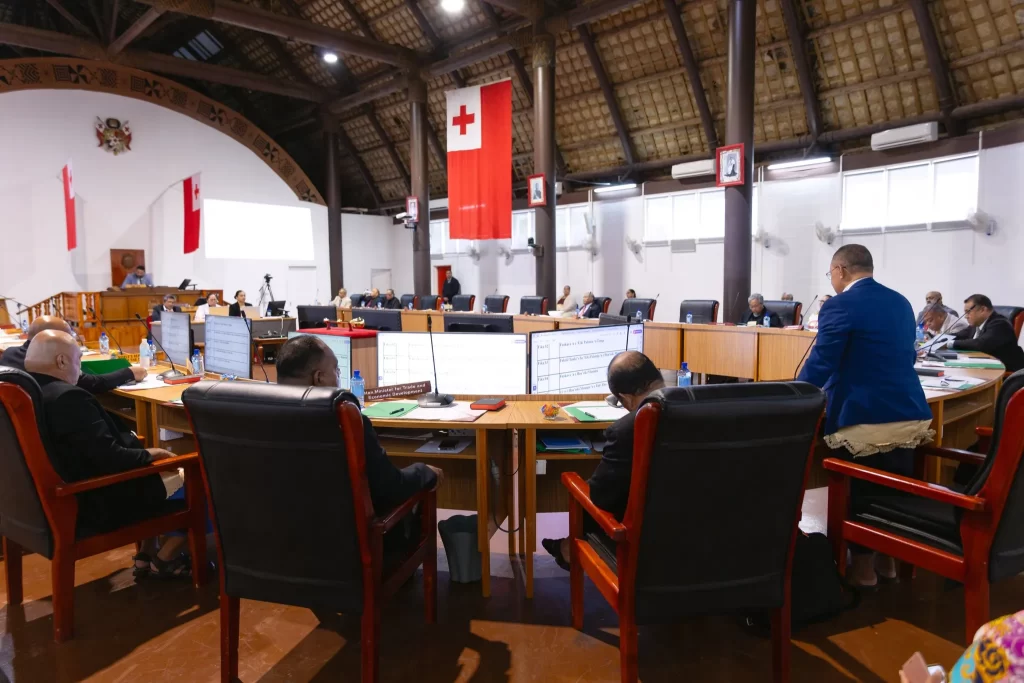
By Editors
The current lack of public access to Cabinet attendance rosters, ministerial travel details, and associated expenses fosters opacity, potentially enabling waste and corruption. Making these records publicly available and regularly updated would enhance accountability, deter misuse of public funds, and build trust in leadership. This is especially critical given Tonga’s history of corruption allegations, as highlighted during the administration of former Prime Minister Huʻakavameiliku Siaosi Sovaleni (2021–2024).
Under Sovaleni, unresolved claims of nancial misspending plagued the government. AuditorGeneral reports noted missing receipts and records for expended funds, fuelling accusations of misappropriation.
Critics, including opposition MPs, pointed to excessive overseas travel by ministers, which diverted time and resources from domestic priorities. For instance, concerns over lavish spending during the
2024 Pacic Islands Forum (PIF) summit in Nuku’alofa contributed to a no-condence motion, underscoring how unchecked travel can lead to perceived waste.
Broader reports from the U.S. State Department have agged “serious government corruption” in Tonga, including bribery convictions of high ofcials, emphasising the need for safeguards against abuse. Without public scrutiny, such issues erode public condence and exacerbate inequality in a resource-limited nation.
International best practices demonstrate that transparent disclosure systems effectively combat these
risks. In the United Kingdom, the government publishes quarterly reports on ministers’ overseas travel, including costs, purposes, and hospitality received, promoting scal responsibility.
Canada’s proactive disclosure regime requires monthly updates on travel and hospitality expenses for senior ofcials, accessible via an open government portal, which has reduced wasteful spending
by enabling public oversight.

In Australia, states like Queensland mandate monthly publication of ministerial diaries, detailing meetings, attendance, and travel, fostering accountability in a similar Pacic context.
These models, supported by organisations like Transparency International, show that routine public updates minimise corruption opportunities, as seen in reduced scandals post-implementation.
To implement this in Tonga, a simple Ministerial Public Roster could be maintained online, updated weekly. Below is a hypothetical example from the first week of May:
Minister | Portfolio | Status | Location | Purpose | Dates | Estimated Expenses (TOP) |
PM ‘Aisake Eke | Prime Minister | In Office | Nuku’alofa | Domestic Affairs | May 1st-7th | N/A |
Deputy PM | Finance | Traveling | Auckland, NZ | Regional Finance Summit | May 2nd-7th | 5,000 (airfare + lodging) |
Minister for Foreign Affairs | Foreign Affairs | Absent (Leave) | N/A | Personal | May 1st-7th | N/A |
Minister of Health | Health | Traveling | Suva, Fiji | Health Policy Workshop | May 2nd-7th | 3,500 (travel + per diem) |
Minister of Education | Education | In Office | Nuku’alofa | Cabinet Meeting | May 1st-7th | N/A |
Such a roster would reveal absenteeism, justify travels, and track costs, preventing the “tug-of-war” over unproven allegations that marked the Sovaleni era.
Adopting these measures would align Tonga with global standards, curb potential graft, and empower citizens. In a young democracy like Tonga’s, transparency isn’t just good governance—it’s essential for progress and equity.