When Allegations Fly: The Danger of Political Grandstanding Over Procedural Duties
In a time when clear communication and accountability should be paramount, it is troubling to see a senior public official make serious allegations against a private company for merely carrying out its procedural role. The recent public criticisms by Minister for Police Hon. Piveni Piukala, directed at Air Terminal Services (Tonga) Limited (ATS), reflect a wider concern: how political grandstanding can distort the truth and erode trust in critical services.
The issue revolves around two separate requests from the New Zealand Air Ambulance Service (NZAAS) to operate emergency flights into Tonga on a Sunday — requests that, under international aviation protocol, must be cleared by relevant local authorities. ATS, as the certified ground handler for international flights, acted precisely within its remit: it received the requests and forwarded them to the appropriate decision-makers, including the Minister himself.
What followed was an unexpected barrage of public accusations from the Minister, who questioned the motives behind the requests and even raised suggestions of financial impropriety or criminal activity. In one instance, a medevac flight was denied permission to refuel, with the Minister citing “convenient, financial or otherwise” reasons as the basis for the request — an assertion ATS firmly called “not only wrong but deeply offensive.”
As stated in their press release:
“Ambulance aircraft do not make refuelling stops based on ‘financial’ or ‘convenient’ considerations but based on the refuelling stop that best supports the preservation of the life of the patient it is carrying.”
More troubling is the fact that Hon. Piukala had already been informed — on more than one occasion — of ATS’s limited and administrative role in these requests. Meetings were held. Clarifications were given. Yet, the public narrative he pushed painted a picture of wrongdoing where none existed. This not only damaged the reputation of a key aviation partner, but also risked public confusion and undermined Tonga’s commitment to international aviation standards, especially regarding mercy flights.

Let’s be clear: air ambulance services operate under tight medical protocols, not financial convenience. Refuelling decisions are made to preserve life, not profit. Suggesting otherwise without evidence, while dismissing established procedures, is not only irresponsible — it is dangerous.
It’s easy for a politician to throw around serious accusations, especially when few people understand the nuances of aviation clearance. But in doing so, they shift focus away from improving inter-agency coordination — which would be a more constructive response — and toward public spectacle.
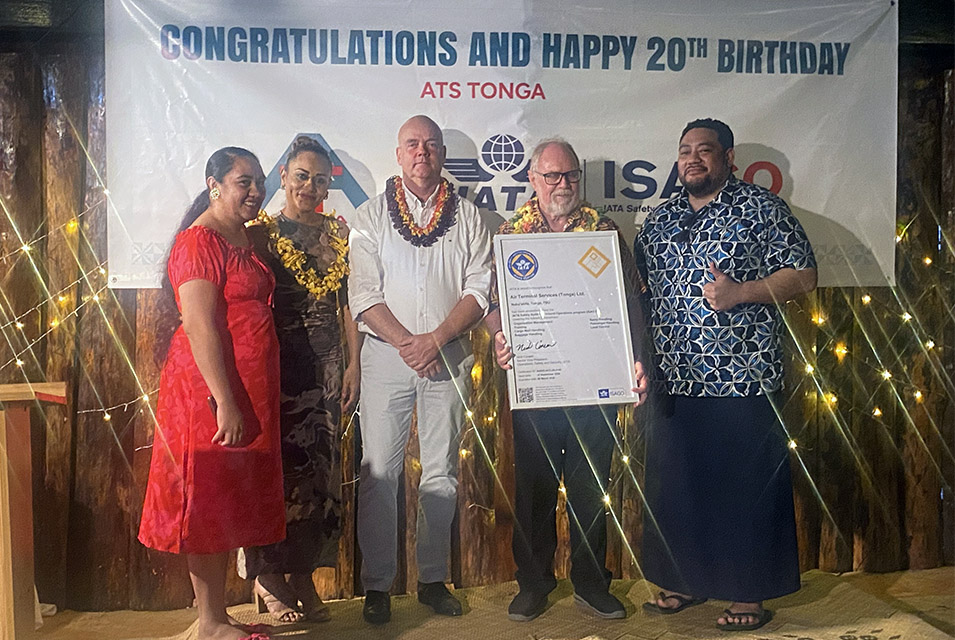
ATS has served Tonga for 20 years, with qualified personnel, equipment, and a duty to act professionally. They do not make policy. They do not grant permission. They simply ensure that international carriers can engage with the appropriate channels — something they have done consistently.
In the end, this is not just about a mishandled medevac or a minister’s misunderstanding. It’s about how easily public trust can be shaken when politicians prioritise appearances over accuracy. Tonga deserves better — not just in how we treat those working in essential services, but in how we expect our leaders to conduct themselves under scrutiny.
Tu’ifua Vailena