Trump’s Travel Ban Targets Tonga: A Harsh Blow to Our Families, Dignity – and a Warning to the Pacific
By Melino Maka
Political & Economic Commentator
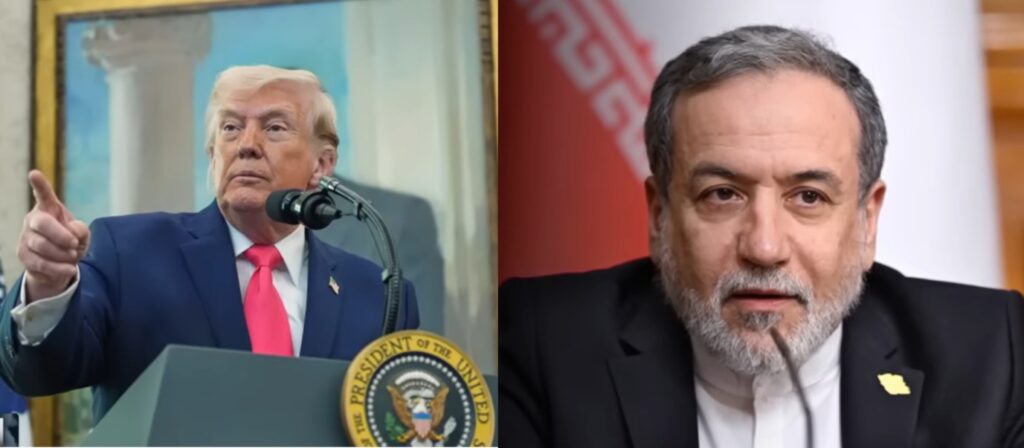
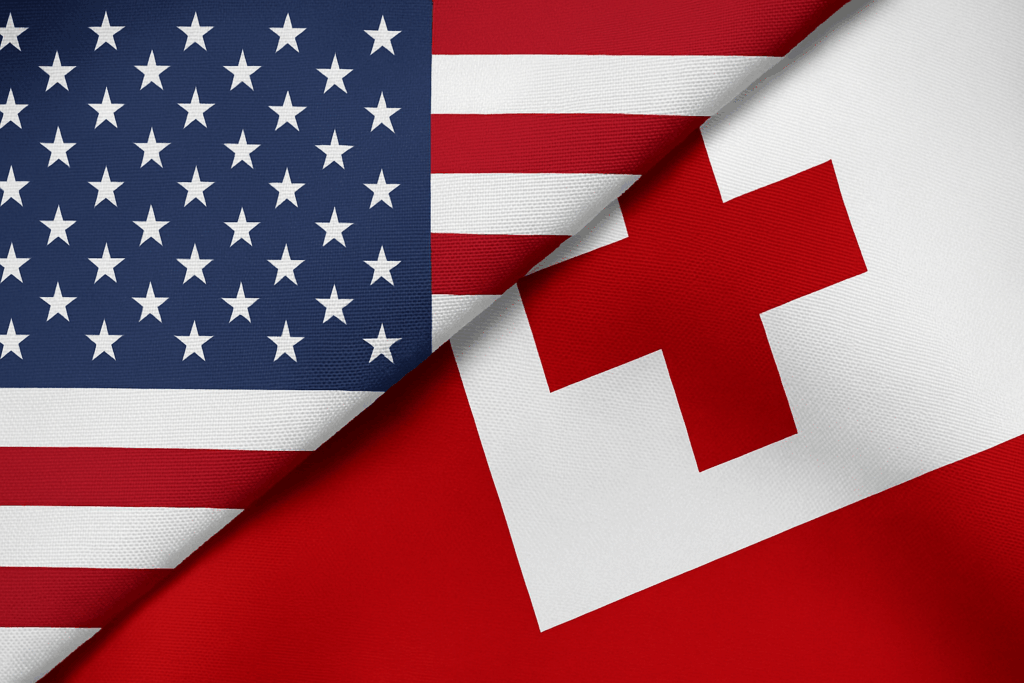
President Donald Trump’s administration is reportedly preparing to expand its controversial travel ban to include 36 new countries — and to the surprise and disappointment of many, Tonga is one of them.
This decision could have damaging consequences for Tongans seeking to visit, study, work, or reunite with family in the United States. For a nation with deep diasporic ties to America — especially in California, Utah, and Hawaii — the impact will be deeply personal and profoundly unjust.
Why Is Tonga Being Punished?
The leaked U.S. State Department memo claims that countries like Tonga have:
- High rates of visa overstayers
- Weak national identification systems that hinder vetting
- Inadequate cooperation with U.S. security agencies on criminal and immigration data
- Alleged “government fraud” or lack of transparency
But these reasons raise a deeper question:
Is Tonga being targeted for geopolitical reasons — not just administrative ones?
Tonga was the first country in the Pacific to officially recognise the One China Policy, long before others followed. This bold foreign policy choice signalled a pivot away from Western dominance and toward engagement with Beijing. Since then, China has treated Tonga — and other Pacific nations — with a respect that contrasts with the lecture-based, conditional aid strategies often pushed by the Western “Five Eyes” alliance: the U.S., Canada, Great Britain, New Zealand, and Australia.

A Hypocritical Strategy?
If this visa ban is punishment for Tonga’s alignment with China, then Washington risks pushing even more Pacific nations to “Look East.” Unlike the West, China doesn’t tie its aid and diplomacy to political lectures, cultural impositions, or contradictory values.
The U.S. cannot continue to demand loyalty while offering punishment in return. Tongans have served with honour in the U.S. Armed Forces, wearing American uniforms in conflicts from Iraq to Afghanistan. Is this how the U.S. repays its allies?
Let’s not forget: Tonga has never posed a threat to the United States. We are not exporting terrorism. We are not running criminal syndicates. We are not destabilizing the Pacific.
We are a peaceful, small island country — with a proud people, strong traditions, and a long history of loyalty to our partners.
What Now?
Tonga and the wider Pacific must speak up. This is not just about visas — it’s about dignity, respect, and sovereignty. It’s about ensuring we are not punished for our geopolitical choices or the shortcomings of our bureaucracies.
The Tongan government must immediately engage with the U.S. Embassy, its Pacific allies, and the State Department to challenge this decision diplomatically and directly. We must modernize our identification and civil registry systems — but we must also stand tall in defense of our sovereign foreign policy choices.
The Pacific is watching. And if this is the new face of U.S. diplomacy in the region, it should not be surprised when more of us begin turning east.