Tonga’s Risky Delay on the 2031 Pacific Games: Lessons Not Learned from 2019
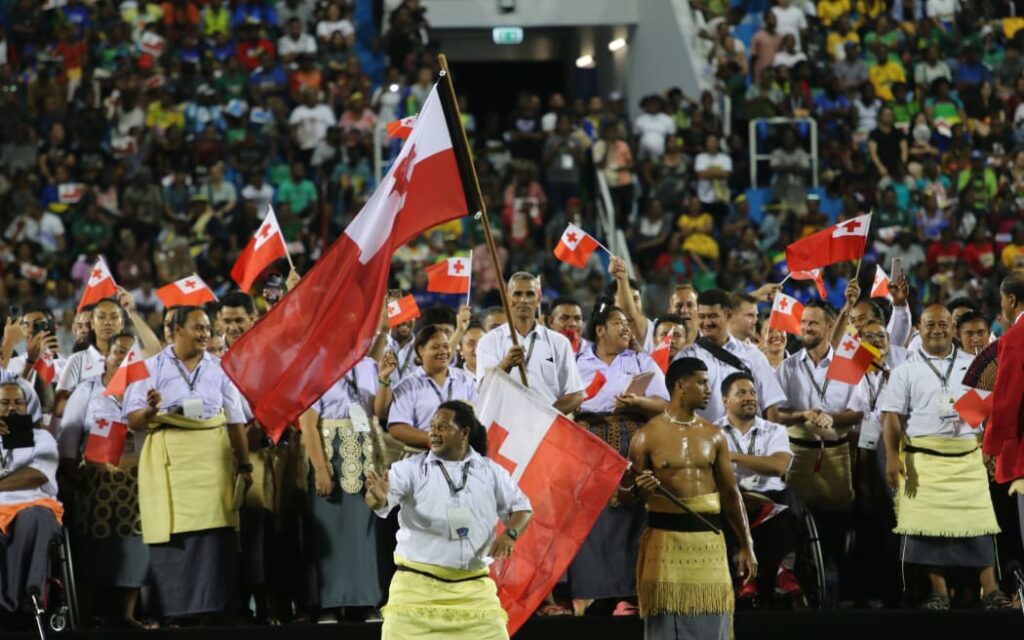
When Tonga secured the right to host the XIX Pacific Games in 2031, it was more than a sporting victory ,it was a chance to restore national pride after the painful withdrawal from the 2019 Games. That 2017 decision, made just two years before the event, cost the country dearly. Lawsuits sought between three and five million US dollars in damages, reputations were damaged across the Pacific, and years of preparation went to waste.
The 2031 Host Agreement sets out a clear path to avoid such missteps. Within six months of the Games being awarded, the government and TASANOC were required to establish the Audit and Finance Committee, the Facilities Committee, and the Organising Committee with a CEO and senior staff, as well as finalise a Master Plan and pass a Pacific Games Act.
Nine months later, most of these steps remain undone. TASANOC’s CEO, Netina Latu, confirmed in a recent response that a Working Committee has been created with the Ministry of Internal Affairs to handle general planning. However, she made it clear that responsibility for the legislation and the formal establishment of the committees lies squarely with the Minister of Sports and the government. “TASANOC does not have a role in progressing the Bill through the Legislative Assembly,” she said, while expressing confidence that there was still time to meet the deadlines.
The Pacific Games Council has already stated there is no need to wait for the November 2025 general election before making these appointments. One senior official privately warned, “Every month lost now will cost you three months later,” urging Tonga not to repeat past mistakes. Despite this, the government appears set to delay introducing the necessary Bill until a new Parliament sits in March 2026.
Former Pacific Games organiser Takitoa Taumoapeau, who was involved in preparations for a previous Games in the region, said such a long gap without an Organising Committee was “a red flag” for any host nation.
“When you leave the core organising structure empty for more than a year, you’re not just losing time — you’re losing credibility with sponsors, contractors, and even your own athletes,” Taumoapeau said. “The first 18 months after winning the bid are when you lock in your best deals and partners. If that window closes, you’ll spend the next few years trying to catch up, and you’ll pay more for less.”
If that happens, and Parliament does not resume until March 2026, Tonga will have spent seventeen months without an Organising Committee — the body responsible for attracting major sponsors, securing commercial partners, and negotiating funding commitments. In practical terms, it would mean missing the early sponsorship cycle for several potential corporate backers, forcing organisers to compete for smaller budgets later in the decade. Based on sponsorship returns from previous Pacific Games, that gap could cost Tonga between two and four million US dollars in lost revenue and higher borrowing needs.
In the world of major sporting events, time lost at the start is rarely recovered. Corporate sponsors plan their budgets years in advance, infrastructure donors require early feasibility studies, and event credibility is built on visible progress. Without these foundations, organisers are left scrambling, making expensive last-minute arrangements, cutting corners, and eroding the confidence of partners.
Whether this delay is the product of incompetence, inexperience, or political calculation, the effect is the same: shrinking preparation time, increased costs, and higher risk of failure. With just over six years to deliver the Games, Tonga cannot afford to let the first two slip away.
The lesson from 2019 should be clear — hesitation has a price, and this time the bill could be even larger. If the government truly intends to honour its commitment to the Pacific Games Council and the nation’s athletes, decisive action cannot wait until after the election. It must begin now.
2031 Pacific Games – Timeline: Obligation vs. Reality
Date | Host Agreement Requirement | Status as of Aug 2025 |
Oct 2024 | Tonga awarded hosting rights; 6-month compliance clock begins. | Completed |
Apr 2025 | Deadline to: Establish Audit & Finance Committee, Facilities Committee, Organising Committee (CEO + key roles), Master Plan, and Games Act | Not completed; extension granted by PGC but with advice to proceed immediately. |
Jun 2025 | PGC reiterates: No need to wait for November election to make appointments. | Government indicates Bill likely deferred until after election. |
Nov 2025 | General Election scheduled. | Committees still not appointed; Organising Committee absent. |
May 2026 (projected) | If Parliament resumes then, 19 months will have passed without an Organising Committee. | Risks: lost sponsorship windows, reduced donor engagement, tighter delivery schedule. |

Potential Financial Impact of Delayed Organising Committee
Based on available data from previous Pacific Games, a 17-month delay in establishing Tonga’s 2031 Pacific Games Organising Committee could significantly reduce sponsorship and partnership revenue, while increasing costs.
Category | Estimated Impact (USD) | Explanation |
Lost Major Sponsorships | 1,500,000 – 2,500,000 | Early sponsorship cycles for key corporate partners typically open 6–8 years before the event. A delay past this window means reduced access to top-tier sponsors and smaller overall deals. |
Reduced Donor & Agency Funding | 300,000 – 800,000 | International development agencies and sports bodies require early feasibility studies and proposals. Delays reduce eligibility and competitiveness for such funding. |
Increased Late-Stage Costs | 200,000 – 700,000 | Last-minute arrangements for infrastructure, equipment, and services tend to cost more due to compressed timelines and reduced bargaining power. |
Total Estimated Financial Risk | 2,000,000 – 4,000,000 | Cumulative effect of lost revenue opportunities and increased costs. |
Note: Figures are estimates derived from sponsorship and funding patterns in previous Pacific Games, adjusted for Tonga’s projected scale of operations and inflation. Actual impacts could vary depending on market conditions.