Tonga at a Crossroads as MPs Weigh Support for Noble Leadership
Tonga is entering another critical moment in its political development, one of those junctures when the decisions of a small group of leaders carry consequences far beyond their own careers. The country has returned 17 people’s representatives to Parliament and the nobles have selected their nine. This is the constitutional design established when King George Tupou V relinquished parts of his executive authority and set the foundation for a modernised democratic system. At the time it was presented as a necessary evolution rather than a concession. ʻAkilisi Pohiva championed the reform movement with urgency, yet the late King had already acknowledged that change was inevitable. The real difference between them lay in timing.
In 2025 the balance that once appeared stable now seems more uncertain. The nobles are promoting one of their own, Lord Fakafanua, as a possible candidate for Prime Minister. Constitutionally this is within their remit. What has raised eyebrows is that several of the 17 elected MPs appear inclined to support the nobles’ choice. Their reasons are not grounded in shared policy but in divisions among the people’s representatives themselves.
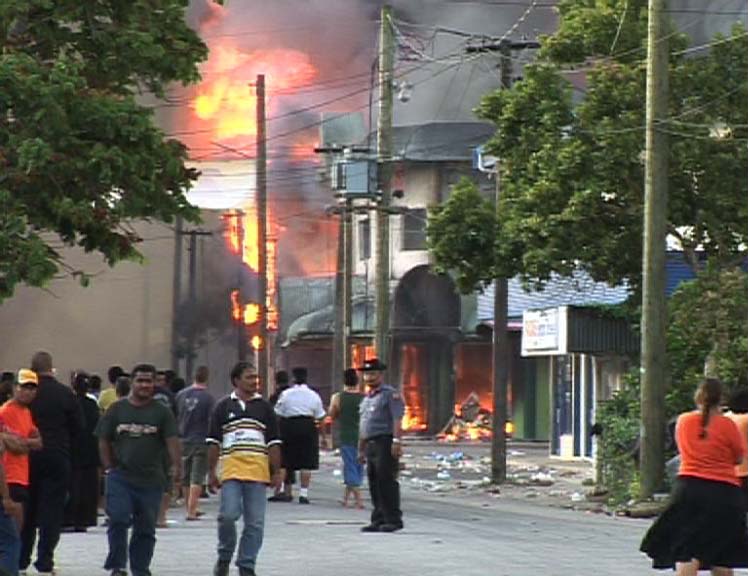
This development places Tonga in a position that carries a striking historical echo. Nearly two decades ago the country experienced a riot in Nukuʻalofa as protestors demanded that more political authority be transferred from traditional elites to the public. The scenes of destruction became a defining image of the tension between an entrenched order and an emerging democratic expectation. This unrest helped to accelerate the constitutional reforms that followed in 2010. Those reforms were designed to ensure that the executive leadership of the country would increasingly reflect the will of the people.
Now some of the representatives chosen by the electorate may enable a return of substantial power to the nobles. It is not an issue of legality. Lord Tuʻivakanō, a noble, served as Prime Minister from 2010 to 2014. The constitution allows for either group to form a government. The issue is one of political legitimacy and historical continuity. Tonga reformed its system to give the public a clearer voice in selecting the nation’s leadership. If that leadership falls back into the hands of the traditional bloc due to fractures and personal disputes among the people’s representatives, the public may view it as a retreat from the intent of the reforms.

Political systems in smaller nations often rest on personal dynamics as much as policy platforms. A disagreement within a group of elected MPs can shift the direction of national governance. Yet this moment requires a wider perspective. Tonga’s democratic structure was not created casually. It emerged from national upheaval, sustained advocacy and constitutional design. It reflected a consensus that the country should move towards a more participatory political model.
If today’s people’s representatives allow their internal divisions to deliver the prime ministership to the nobles, they risk weakening not only the public’s confidence but the durability of the democratic model itself. Systems function as intended only when those entrusted with authority uphold both the letter and the spirit of reform. Tonga has spent more than a decade trying to build a stable balance between tradition and democratic representation. That balance is now being tested.
The nobles have every right to nominate and support their preferred candidate. The critical question is whether the people’s representatives recognise the significance of their next decision. Tonga must decide whether it is continuing along the path of democratic development or quietly stepping away from it.
The country has been here before. The stakes were clear then and they are clear now. The real question is whether the elected members understand what they are about to do.