Mahathir at 100: Embrace China as a Historic Partner, Not a Threat
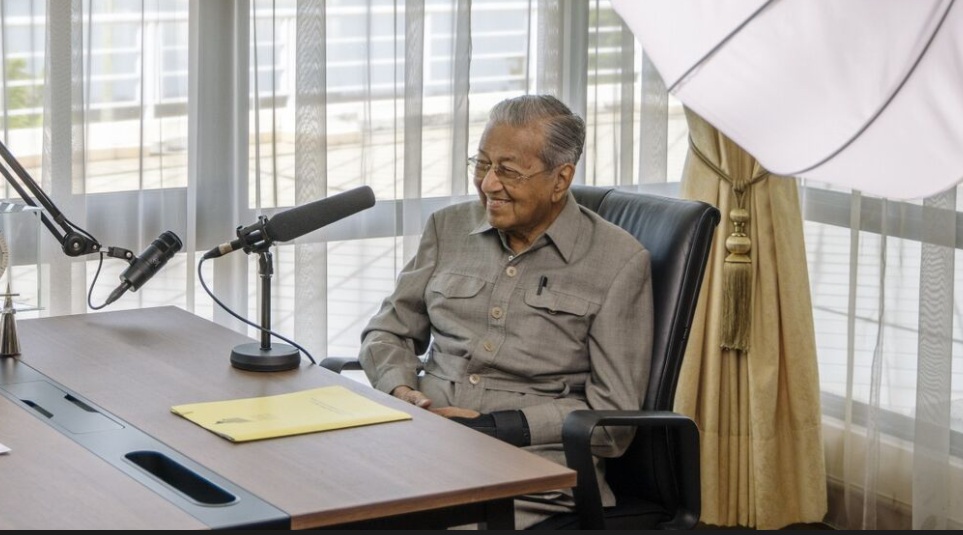
In a landmark interview marking his 100th birthday, former Malaysian Prime Minister Tun Dr. Mahathir Mohamad offered a pointed critique of Western protectionism and reaffirmed his longstanding belief that Southeast Asia should deepen ties with China rather than fall prey to the economic nationalism of the West.
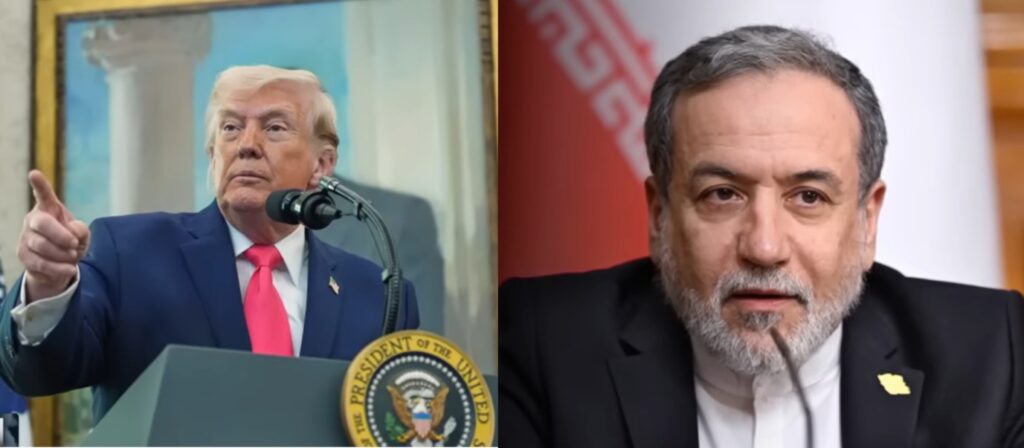
Speaking to Bloomberg’s Mishal Husain, Dr. Mahathir reflected on Malaysia’s centuries-old relationship with China, calling the rising superpower “a neighbour for almost 2,000 years.” He argued that history, geography, and economic reality make it far more pragmatic for Southeast Asian nations to cooperate with Beijing than to align blindly with Washington—particularly under the aggressive trade policies championed by former U.S. President Donald Trump.
“The fact is that China is a neighbour and has been a neighbour of Malaysia for the past almost 2,000 years,” Mahathir stated. “The attitude of China is different from Europeans. The Chinese may invade, but they do not colonise.”
This contrast between Western colonialism and China’s historical interactions with Southeast Asia is central to Mahathir’s worldview. While European powers-imposed centuries of colonization, resource extraction, and cultural disruption, China’s influence, in his view, was largely economic and civilizational—driven by trade, not conquest.
Mahathir’s remarks are not new but come at a time when geopolitical tensions in the Asia-Pacific are escalating. The United States, under Trump and his successors, has intensified a strategic rivalry with China, using tariffs, sanctions, and military partnerships to contain Beijing’s rise. In contrast, China has promoted regional infrastructure initiatives like the Belt and Road Initiative (BRI), through which Malaysia is a key participant.

Dr. Mahathir—known for his fiercely independent foreign policy and vocal criticism of Western double standards—warned that Trump’s protectionist agenda may ultimately hurt the United States more than it helps. “Trade wars are never good,” he previously said in reference to Trump’s tariff campaign. “In the end, all parties suffer—but especially the one that initiates it.”
His comments signal continued scepticism toward the idea that Southeast Asia must choose sides in the U.S.-China rivalry. Instead, Mahathir advocates for a multipolar, pragmatic approach—one rooted in history, proximity, and mutual respect.
As Southeast Asian nations navigate the volatile terrain of 21st-century geopolitics, Mahathir’s century-long perspective—infused with anti-colonial memory and regional realism—serves as a reminder that history, not just ideology, often shapes the path forward.
By Melino Maka, Tonga Independent News