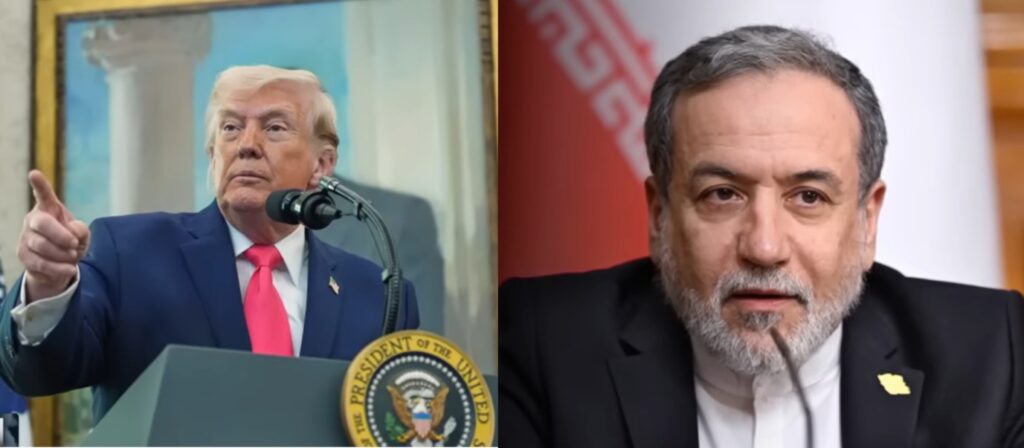
Foreign Affairs Debate and the Constitutional Reality
The PTOA party has raised the alarm over a new bill that would shift the Ministry of Foreign Affairs into “His Majesty’s Diplomatic Services.” Chairperson Teisa Pohiva-Cokanasiga has called it “a huge change” and “a huge step backwards” for democracy, warning that it undermines the hard-won reforms of 2010.
It is a powerful message, one that strikes at the heart of Tonga’s long struggle for a more democratic system. Many will remember how difficult those reforms were to achieve, and why they mattered. But the Constitution itself tells a more complicated story.
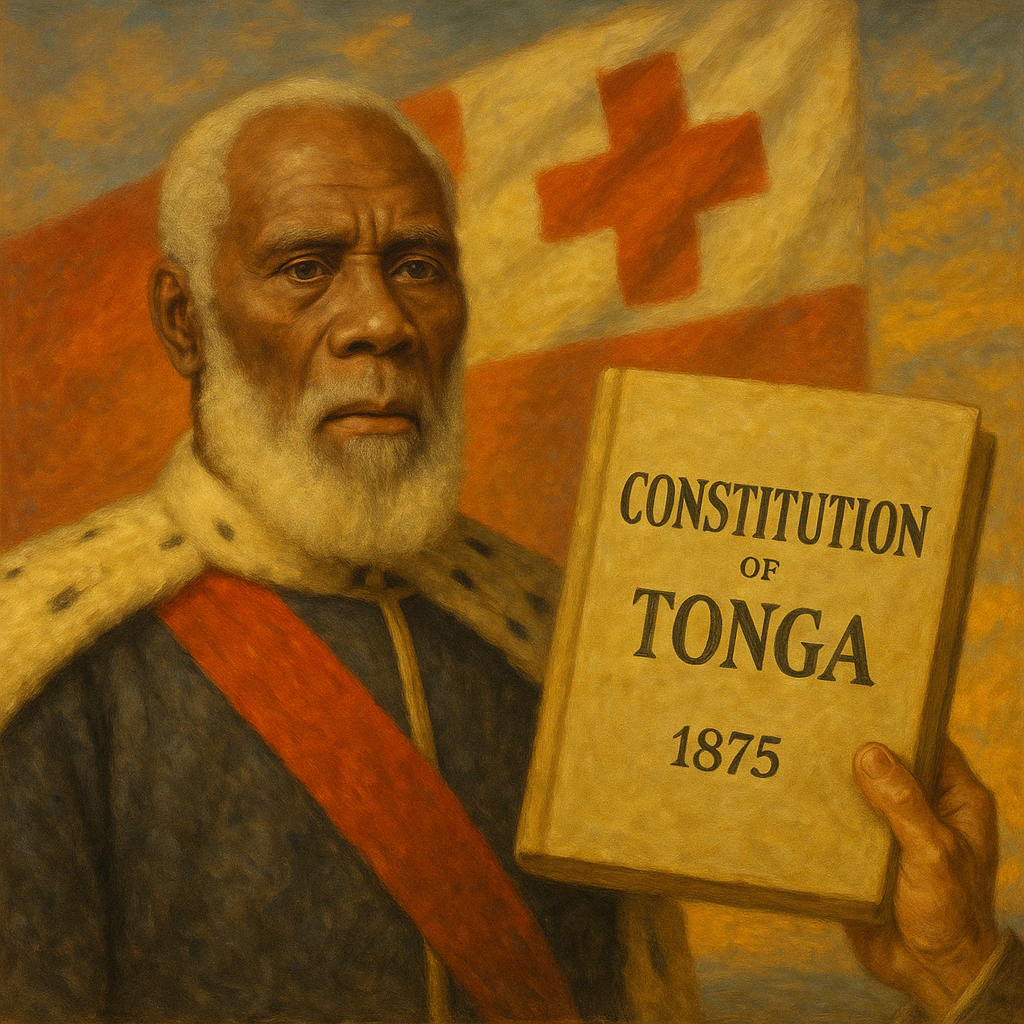
For decades, foreign affairs have never belonged to Parliament. Sections 39, 40 and 41 of the Constitution place them firmly under the authority of the King, along with defence and the judiciary. When Tonga celebrated the 2010 reforms, those provisions remained untouched. The shift to more elected representatives in Parliament and more ministerial control over domestic policy did not change the King’s role in foreign affairs. That authority has always rested with the monarch.
So what does this bill actually do? It does not create new royal powers. Instead, it changes who administers them. Until now, the Ministry of Foreign Affairs has been led by an elected minister who sits in Cabinet and answers to Parliament. The bill would place the ministry under the King’s Diplomatic Services and the Privy Council. Parliament would lose a Cabinet voice in foreign affairs, but the King’s constitutional authority would remain exactly as it has always been.

That distinction matters. Calling this a loss of parliamentary power suggests that Parliament once held it. In truth, it never did. The King’s role in foreign affairs has been part of the constitutional fabric for generations. What is shifting is the way that role is managed.
Still, the change is not without consequence. Removing a minister from Cabinet reduces opportunities for parliamentary scrutiny. For a democracy still finding its balance, even small changes in how power can be accessed or questioned may have ripple effects. That is a legitimate concern, and one worth debating openly.
Yet it is also true that politics thrives on drama. By framing a technical adjustment as a constitutional crisis, PTOA risks blurring the line between perception and reality. The King already had the authority. The bill simply relocates the administration of it.
The public deserves to understand the issue on those terms. The real question is not whether powers are being taken from Parliament, but whether shifting responsibility away from Cabinet and into the Privy Council makes Tonga’s democracy stronger or weaker. That is a matter of political judgement, not constitutional invention.
As Tonga continues to work out the balance between tradition and democracy, it is important that debates over the Constitution begin with the facts. Only then can people judge whether this bill serves the country well, or whether it tilts the balance too far away from the principles that the 2010 reforms promised.