
Data Czar: Another Bad Idea by Gov! Why Tonga Must Halt its Centralised Data Plan
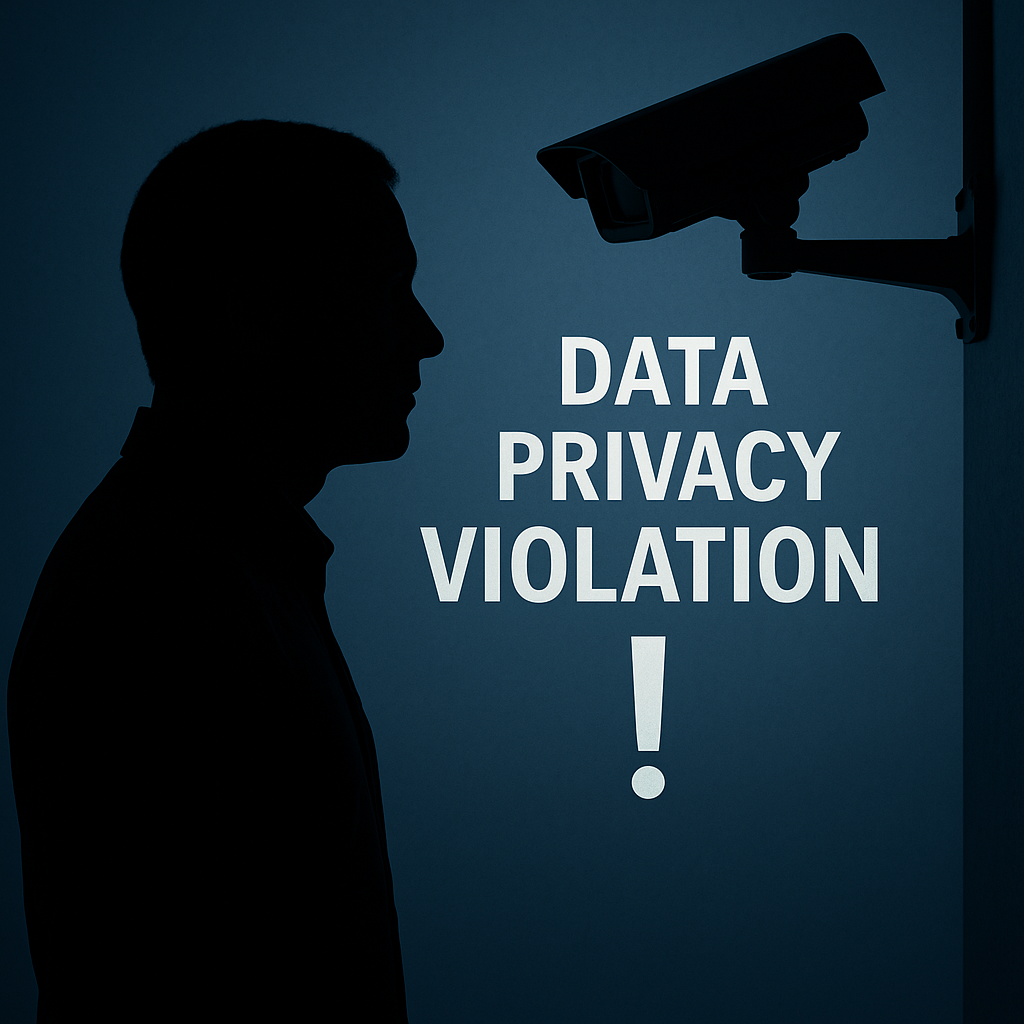
Government’s push to establish a national civil registry and consolidate private information are deeply alarming is yet another bad idea. This initiative, may be framed as ‘progressive,’ is a dangerous gambit that threatens the fundamental rights of every Tongan at a time when the government’s credibility is at an all-time low.
The tragic irony is that this push for a centralised database comes on the heels of the Ministry of Health’s data being hacked and held for ransom—a stark reminder of our institutional vulnerability.
Let’s be clear: Is people’s personal and private information necessary for government to fulfil its Constitutional functions?
The only answer is NO!
But the question is Why? Why is government coming after this? There’s been popular petition for such measures! No government was given any obvious mandate to do this. Kings have never demanded it. Now we’re a “democracy”, we need it now? Sorry but that signals a drifting in the wrong direction, and its giving Gestapo-like fantasies. First the cameras surveilling people in public secretly. Then a spy agency tantamount to a coup. Now they want all our information under one Data Czar! What for? Is it all necessary?
NO!
What if I’m erased off the system (by accident)? Am I immediately persona non grata and lose all Constitutional and human rights? What if the Data Czar creates a person in the files by accident? Who audits the Data Czar? Who audits the Czar auditor?
We are being asked to trust a government with the totality of our private lives—our names, our families, our health records, where we’ve been, who we meet, what we eat, your internet use—when it has already proven it cannot secure a fraction of that information. The only person who needs all that information is one that needs power! As always, governments take advantage of every crisis to give itself more power and the current administration should not give in to fulfilling the disastrous policies left off by the previously ousted administration.
As rightly so as tech connoisseur himself, it is right that the Speaker Lord MP Fakafanua push back on this data mine, something that should go down the list of historical bad ideas. Ironic, because the so-called People’s Representatives should have been at the forefront scrutinising such idiotic policies.
The Ministry of Health hack was not just a technical failure; it was a profound failure of governance and a breach of public trust. When we add to this the documented struggles with the “drugs tsunami,” and the worrying signs of criminal infiltration through bribery within our police force, we must ask ourselves: what confidence can we possibly have that a centralised database won’t become a prime target for foreign hackers, or a tool for corrupt actors, and political abuse?

The foundational error here is a misunderstanding of a government’s role. A government is a public servant, not an all-seeing overseer. The right to privacy is not a privilege to be granted, but a human and constitutional right to be protected. The best keeper of private information is the sovereign individual themselves. The proposed system, as far as we know, also lacks a robust judicial process to oversee access and transfer of information. This is not a pathway to progress; it’s a slide into authoritarian control.
In 2015, the government made some reforms to the Communications Act 2015, and apparently made it illegal to download, store, or broadcast porn in Tonga. Yes,. as crazy as that sounds. Lately, some watchers have signalled that government have put in filters to block off porn sites in Tonga. And that’s also a part of the problem: government and its bureaucracy moulding itself to be the only source of morality with an all powerful all seeing eye to access and know what everyone is doing all the time? Yes, we have a Moral Police scouring our internet access. Later, rumours had it that one high executive group call, one of the higher ups (a strong advocate for the amendments) forgot to turn off his camera after the call, and was broadcast among his peers being mammarianly nourished by his lactating secretary from their hotel room while abroad on government business. Allegedly, of course. Shouldn’t he have been prosecuted according to their own laws? Who watches the watchers? From that, to this…same people, same bad ideas!
It is no coincidence that many of the world’s most stable and respected democracies intentionally avoid consolidating all private data in one place. Countries like the United States and Canada operate on a decentralised model, with separate state or provincial systems for vital records, social security, and health. This deliberate fragmentation is a feature, not a bug—a check on government power and a safeguard against the catastrophic consequences of a single data breach.
As we prepare for elections, this issue cannot be ignored. We must demand that our leaders prioritise building transparent, accountable, and secure institutions first. Only then can we have an honest discussion about the future of data management, and even then, with a commitment to judicial oversight and the sacred right of every Tongan to privacy.
The beauty of not having a centralised civil or data registry, is then there’ll be no system to hack, abuse, or sell off for money!