Australia’s Bitter Brew: How Kava Diplomacy Is Hurting Remote Indigenous Communities
By Eleni Aholeli
When former Australian Prime Minister Scott Morrison stood before Pacific leaders in 2019 and pledged closer ties with the region, many welcomed his words as a step towards long-overdue recognition. Central to that promise was kava — not just a drink, but a cultural cornerstone for many Pacific peoples, including my own.
But today, that same gesture is under scrutiny. While kava continues to bring pride and income to producers across Vanuatu, Fiji, and Tonga, the consequences of Australia’s import policy are playing out far from our shores — in the Indigenous communities of the Northern Territory, where social services and community leaders are sounding the alarm.
What Was Promised
The 2021 decision by Australia to relax import restrictions on kava was framed as a respectful nod to Pacific culture and a pathway to strengthen economic ties. For countries like Vanuatu, where kava accounts for almost 50% of export value, and Tonga, where it contributes nearly 30%, the policy was welcomed as a breakthrough.
But even as Pacific exporters saw opportunity, Aboriginal leaders in Australia were already warning of familiar dangers.
“Kava causes sedation and reduces people’s ability to engage in community life, work or care for their families,” said Dr. John Boffa, Chief Medical Officer at the Central Australian Aboriginal Congress.
Elder Banduk Marika was even more direct: “It paralyses everything.”
These concerns weren’t hypothetical. They were rooted in past experiences with kava abuse, particularly before the 2007 ban in the NT.
An Underground Market Takes Root
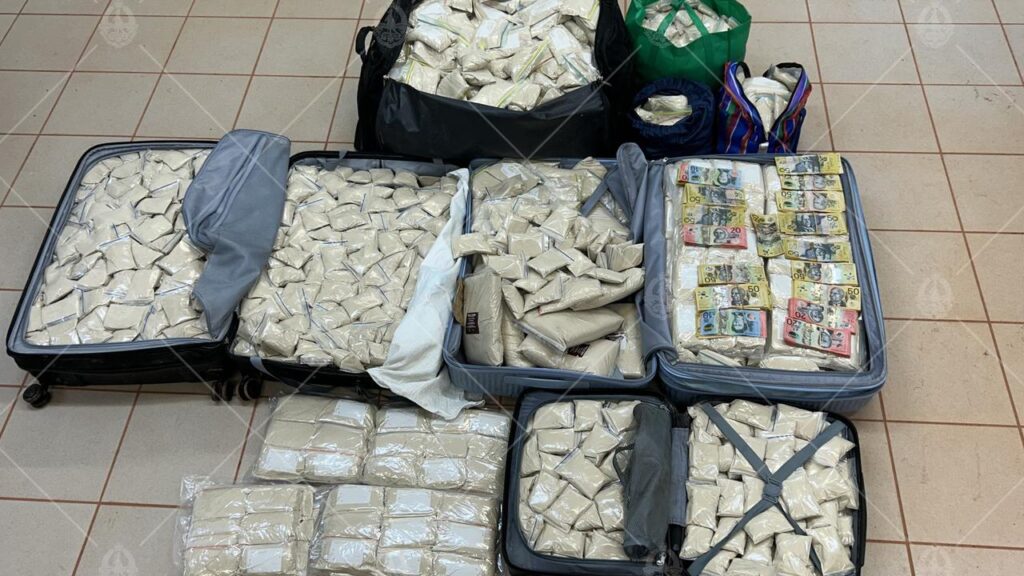
Under the current arrangement, kava is legally imported into Australia but remains banned in the Northern Territory. That contradiction has sparked a black-market surge, with imported kava redirected into regions where its sale is restricted.
“In some areas, it’s sold for up to $1,000 per kilogram,” reported Acting Sergeant Nicholas Mitchell of the NT Police.
“The impact on the ground is devastating — families are going without food and basic necessities.”
MP Yingiya Guyula, who represents Arnhem Land, said many families are now reliving the same cycle of economic harm that past generations had worked hard to overcome.
“Money that should go to food, school supplies, or fuel is being spent on kava. We’re going backwards,” he said.
Community Left Out of the Conversation
Law enforcement and Indigenous leaders in the Northern Territory have criticised the rollout for its lack of local engagement.
“We were not consulted,” said Superintendent Peter Gordon.
“If we had been involved, we would have shown them the data — the seizures, the social impact, the cost.”
Instead, consultation was largely conducted at the diplomatic level — with Pacific leaders, not with those expected to manage the fallout.
Official Response
A spokesperson for Australia’s Department of Foreign Affairs and Trade said:
“The kava import trial was designed in consultation with Pacific leaders… We recognise the concerns raised by NT stakeholders and are working across agencies to manage impacts.”
Australia’s Health Minister Mark Butler also noted the government is reviewing the program:
“We’re reviewing the data and engaging with NT Health to determine appropriate support strategies.”
But for many in the affected communities, this response has been too little, too late.

Pacific Perspective: Exporters Urge Responsibility
In the Pacific, where kava is both a cultural symbol and a vital export, the reaction has been more cautious.
“Kava is our heritage,” said Dr. Hilda Lini of Vanuatu, a long-time advocate for public health and traditional knowledge.
“But we must also be responsible exporters — aware of where and how our product is being used.”
Zane Yoshida, CEO of Fiji Kava, echoed this concern:
“We support ethical distribution. Kava has wellness potential, and education can help mitigate misuse.”
The Pacific Islands Forum Secretariat, representing regional governments, has reaffirmed its commitment to promoting trade that respects both cultural integrity and social responsibility.
Striking a Better Balance
As a Tongan, I understand how vital kava is to our identity and economy. But I also recognise the responsibility we share — both producers and importers — to ensure that cultural trade does not come at the cost of community wellbeing elsewhere.
Australia’s attempt to honour Pacific ties through kava deserves credit for intent. But policy must be grounded in lived realities — especially in Indigenous communities with long histories of marginalisation and health inequity.
The call now is for inclusive policymaking: not just with Pacific leaders, but with Aboriginal voices, community health experts, and local authorities in Australia. A more effective approach would also involve clearer guidelines for ethical exporting, better enforcement against illegal distribution, and sustained investment in education and harm-reduction strategies.
Conclusion
The kava trade between Australia and the Pacific was meant to symbolise respect, friendship, and shared growth. Yet, without proper planning and community engagement, it has exposed policy blind spots and created new tensions.
In the end, diplomacy must go hand-in-hand with responsibility. Only then can kava be both a bridge between peoples — and not a barrier within them.