Australia Holds Line on Pacific Aid as Tonga Pushes to Stand on Its Own
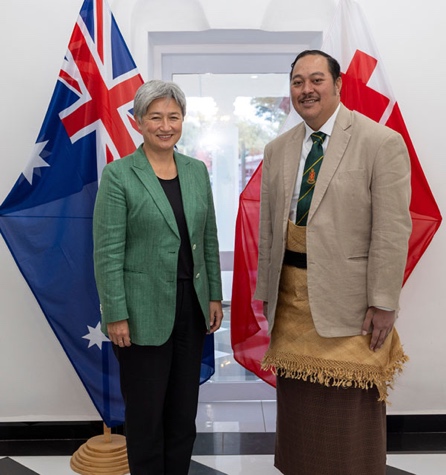
Australia is keeping the Pacific’s aid lifeline steady as other major donors pull back, according to the Lowy Institute’s 2025 Pacific Aid Map. The report reveals that while global aid is shrinking, Australia’s consistent support has stopped the Pacific from slipping into deeper financial stress.
The Lowy Institute found that total development finance to the Pacific dropped to US$3.6 billion in 2023, a 16 per cent fall from the year before. That marks two straight years of decline as post-Covid lending programs ended. Grants held firm, but loans collapsed as emergency funding from the pandemic period wound down.
Even so, Australia now delivers 43 per cent of all official development finance to the Pacific — far more than any other country. Its focus on infrastructure and recovery projects has helped steady the region while the United States, Britain and parts of Europe cut back.
“The Pacific is holding up because Australia hasn’t walked away,” said one regional analyst quoted in the report. “Canberra’s spending has effectively kept the lights on while others step back.”
Meanwhile, China’s role in the region is shifting. After years of major loan-funded projects, Beijing has turned toward grants and community programs while keeping a smaller number of large strategic investments through it’s Belt and Road Inititive. But the debts from earlier loans are still being felt. Countries including Tonga, Samoa and Vanuatu are struggling to meet repayments on infrastructure deals signed in the 2010s.

For Tonga, the numbers are stark. Aid accounts for about 35 per cent of GDP, one of the highest ratios in the world. Between 2008 and 2023, Tonga received roughly US$140 million a year in development finance. The share of loans has dropped from 23 per cent a decade ago to under 3 per cent today, following IMF warnings about debt stress linked to China’s reconstruction loans after the 2006 Nuku‘alofa riots.
Prime Minister and Finance Minister Hon. Aisake Eke says that dependence must end. Under the Government’s 2025/26 Budget Strategy, Tonga will raise funds through government bonds, provide low-interest loans to local businesses, and create a capital market to attract investment from Tongans at home and abroad.
“The China loan will be fully repaid by 2029/30,” Eke said. “Once that burden is gone, around TOP 30 million a year can go to new priorities. We want to build our own strength by helping local businesses grow, cutting borrowing costs, and lifting productivity.”
Eke’s plan aims to replace dependency with self-sustaining growth. But the Lowy Institute’s findings show the challenge ahead: aid still underpins a third of Tonga’s economy, and the region’s biggest donors are increasingly focused on strategic competition rather than long-term development.
As Australia steadies support, China adjusts its playbook, and Tonga pushes for self-reliance, the next decade will show whether the Pacific can turn foreign aid into genuine independence.