$19.3m Rural Project Signed. The Real Test Is Economic Impact
Tonga has secured a $19.3 million rural development programme aimed at boosting livelihoods and strengthening climate resilience. The real question is whether it will ease the cost of living pressure facing families.
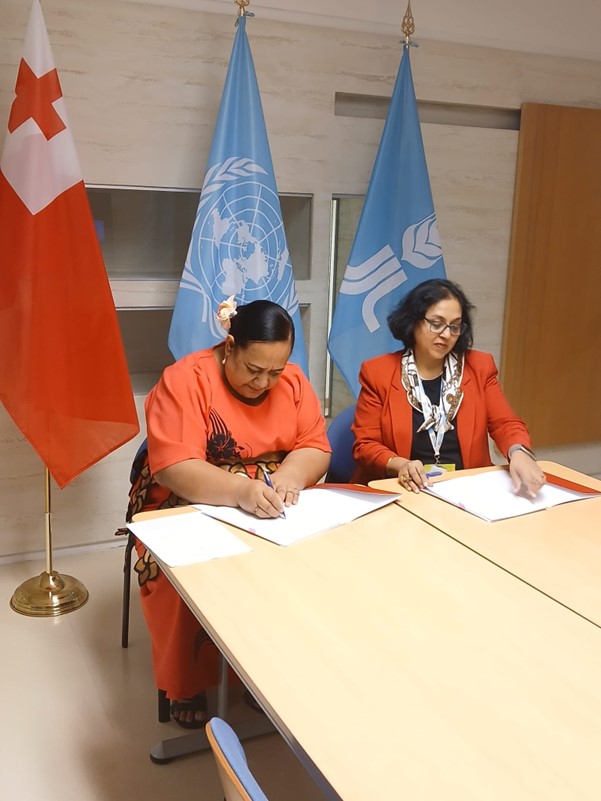
The funding was confirmed at the 49th Governing Council of the International Fund for Agricultural Development (IFAD) in Rome, launching the third phase of the Tonga Rural Innovation Project, known as TRIP III.
Chief Executive Officer Kilisitina, representing Finance Minister Hon. Lataifaingata’a Tangimana, officiated the signing. IFAD’s Asia-Pacific Regional Director, Ms Reehana Raza, attended on behalf of the IFAD President.
TRIP III expands coverage from 122 to 128 communities, reaching more than 35,000 households, including outer islands and the remote Niuas. The programme promises inclusivity, innovation and climate resilience.
Beyond development language, the economic test is straightforward. Will rural families earn more, reduce household costs and depend less on imported goods?
The previous phase, TRIP II, reportedly reached more than 8,000 households through community gardens, land management initiatives and local livelihood support. Those efforts were positive. However, food prices remain high. Imported goods still dominate store shelves. Many rural households continue to rely heavily on remittances.
If TRIP III is to justify its funding, it must deliver measurable productivity gains. That means increasing local food production at scale, improving market access, reducing post-harvest losses and shifting activity from subsistence to income generation.
The $19.3 million package is administered by IFAD through grants and co-financing arrangements. Implementation will be led by MORDI Tonga in partnership with the Ministry of Agriculture and other government agencies. The programme is expected to begin in 2026.
Responsibility now rests with local institutions.
Donor-funded projects often produce consultations and reports. What rural communities require are functioning supply chains, reliable market access and transparent reporting on results, not simply activities.
CEO Kilisitina thanked IFAD for its continued support and described the partnership as one intended to benefit future generations. She also acknowledged that both parties must fulfil their respective roles as financier and beneficiary under the agreement.

That distinction carries weight.
As Tonga faces rising debt pressure and limited fiscal space, grant funding must produce durable economic returns. Investment should reduce vulnerability, increase productivity and strengthen food security.
IFAD’s Regional Director Ms Raza acknowledged Tonga’s ongoing commitment to the partnership and noted Australia’s co-financing support.
TRIP III now moves from announcement to implementation. Its success will be measured not by funding secured, but by incomes raised, imports reduced and rural productivity strengthened.