PM stakes credibility on fixing government performance

Prime Minister Lord Fakafanua tells business leaders that service delivery reform will be the measure of his new administration’s success, as the private sector backs the intent but warns execution will be decisive.
The Prime Minister, Lord Fakafanua, has put the private sector on notice that his new administration intends to make service delivery reform — not rhetoric — the measure of its economic credibility.
Addressing members of the Tonga Chamber of Commerce on Thursday, 15 January, the Prime Minister outlined the Government’s immediate priorities and longer-term direction, while inviting frank feedback on the constraints facing Tonga’s economy.
He told business leaders that lifting the quality and reliability of public services under the forthcoming Tonga Strategic Development Framework III is essential to investment and productivity, particularly as Tonga contends with growing external shocks and an increasingly uncertain global environment.
A 100-day plan, due to be presented to Parliament next week, will focus on visible improvements to service delivery, including reducing processing delays through back-office reforms and introducing a live performance dashboard to track ministry outputs in real time. The Prime Minister said early, tangible results are critical to restoring confidence.
Business participants, however, cautioned against an overemphasis on reducing the public-sector wage bill. One prominent business owner told Tonga Independent News that efficiency and productivity mattered more than headline staffing numbers, warning that under-resourced departments often shift delays and costs onto businesses rather than improving outcomes.
Cost-of-living pressures were also raised, particularly in health and education, which business leaders described as increasingly central concerns for households and the electorate. Rising costs in these areas, they said, are beginning to affect workforce stability, consumer spending and overall business confidence.
On growth, the Prime Minister said sectoral studies have been completed and funding will be directed toward priority areas. Donor-funded infrastructure is expected to continue driving activity, particularly in construction, alongside a renewed focus on import substitution and domestic production to strengthen local industries.
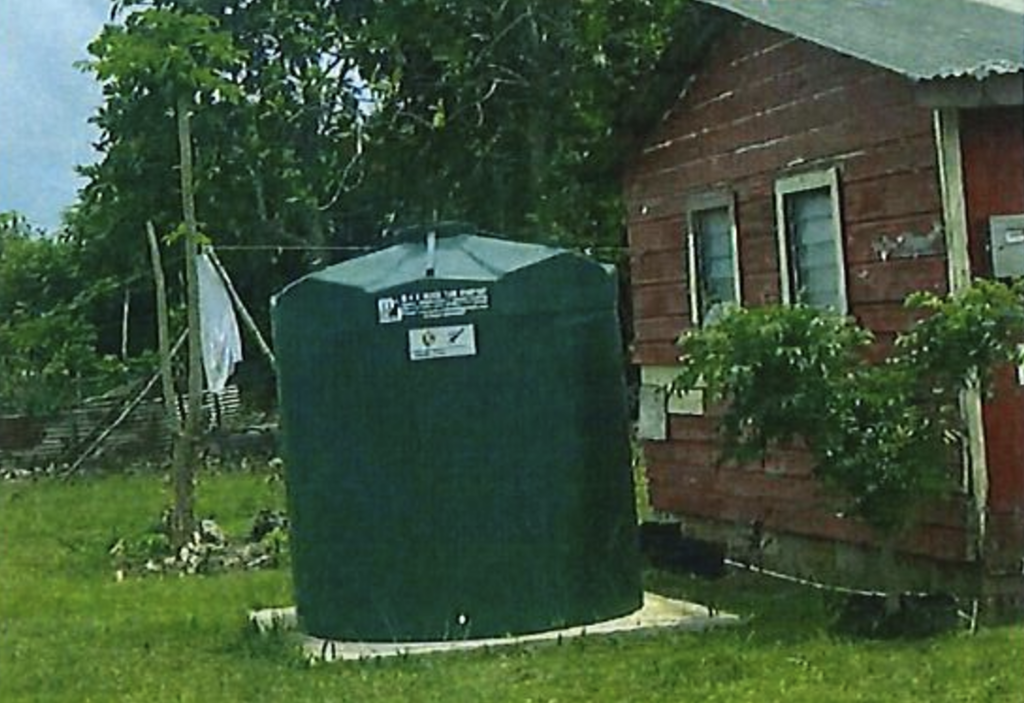
Infrastructure constraints featured prominently in the discussion. Reliable and affordable electricity was identified as an immediate priority, followed by water security. Options such as desalination for agricultural use and increased investment in renewable energy and supporting technologies are under consideration. Transport, including aviation services and outer-island connectivity, was acknowledged as a structural issue requiring system-level reform.

Land administration delays were also highlighted. The Prime Minister noted that the Lands Department currently processes about 200 applications a year against a backlog exceeding 1,500, and confirmed that the Government is considering engaging private surveyors to accelerate approvals and ease a long-standing barrier to development.
The Government has begun reviewing areas where state activity may be competing with the private sector and has established a committee to examine foreign participation and retail competition. Any industry protection, the Prime Minister said, would be evidence-based, compliant with World Trade Organization rules, and focused on sectors where Tongan-made products can realistically compete.
Business leaders welcomed the Prime Minister’s commitment to stronger digital engagement and closer collaboration but expressed caution about execution, noting that delivery, rather than intent, will determine whether reforms translate into practical change.
The Prime Minister said the review of TSDF III offers an opportunity to align national planning with the new administration’s priorities while managing tight fiscal conditions. He committed to ongoing dialogue with the private sector, with both sides acknowledging that restoring growth and resilience will depend not only on policy direction, but on consistent and effective delivery.